
Last updated November 14, 2026
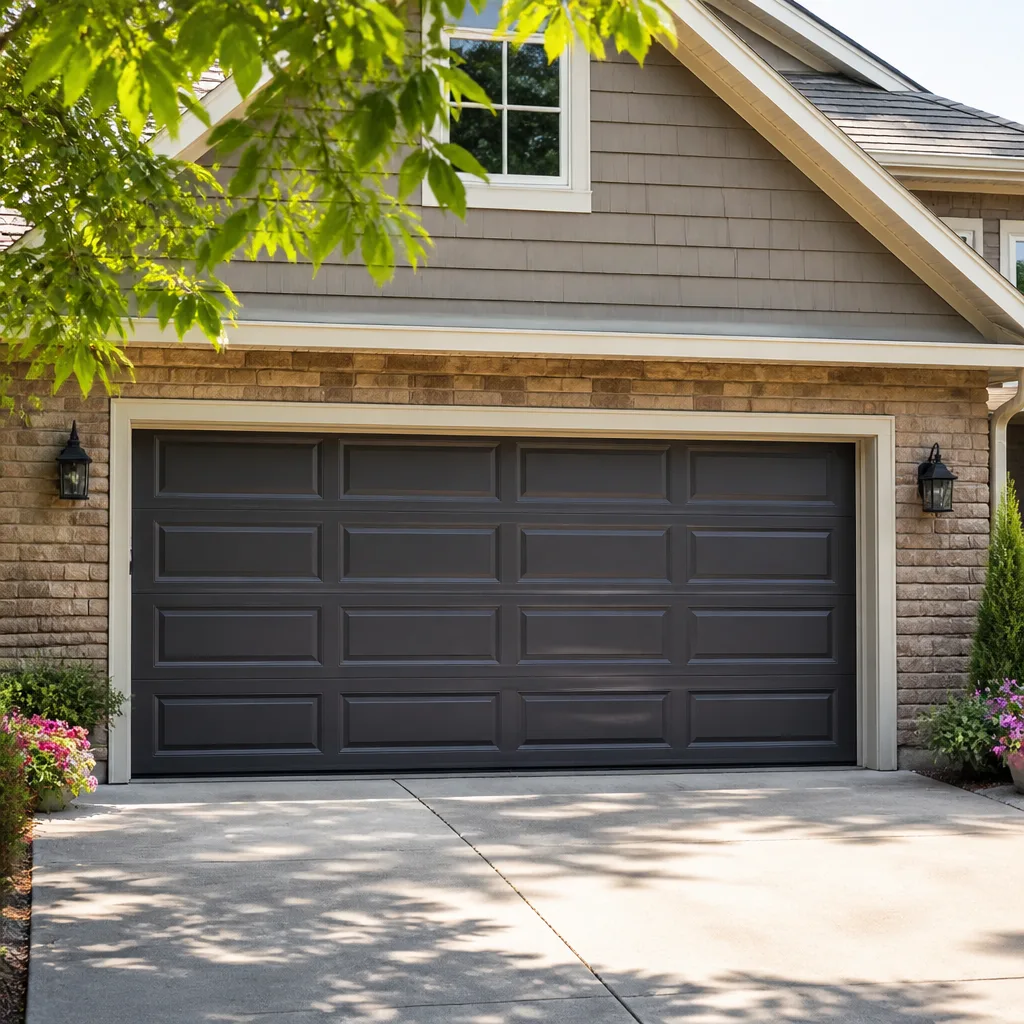 Raised-panel steel
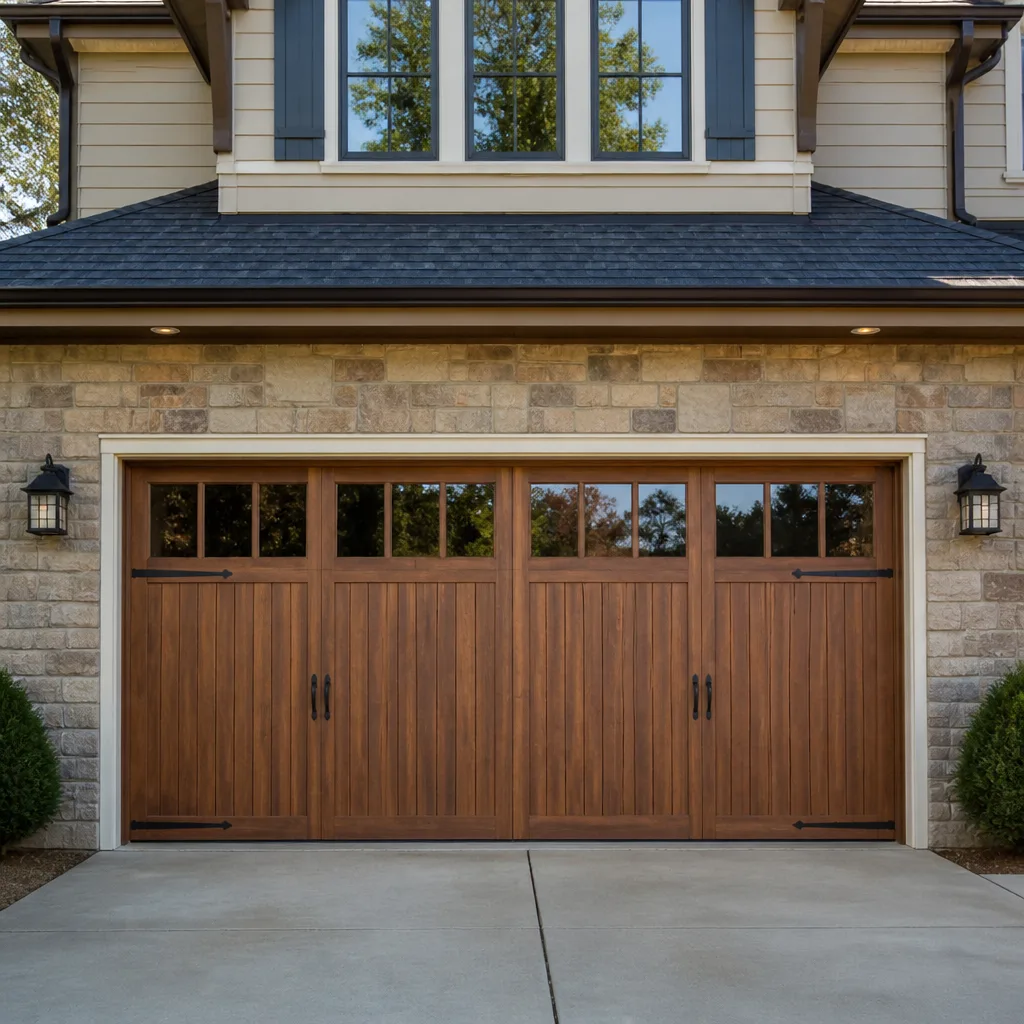 Carriage house
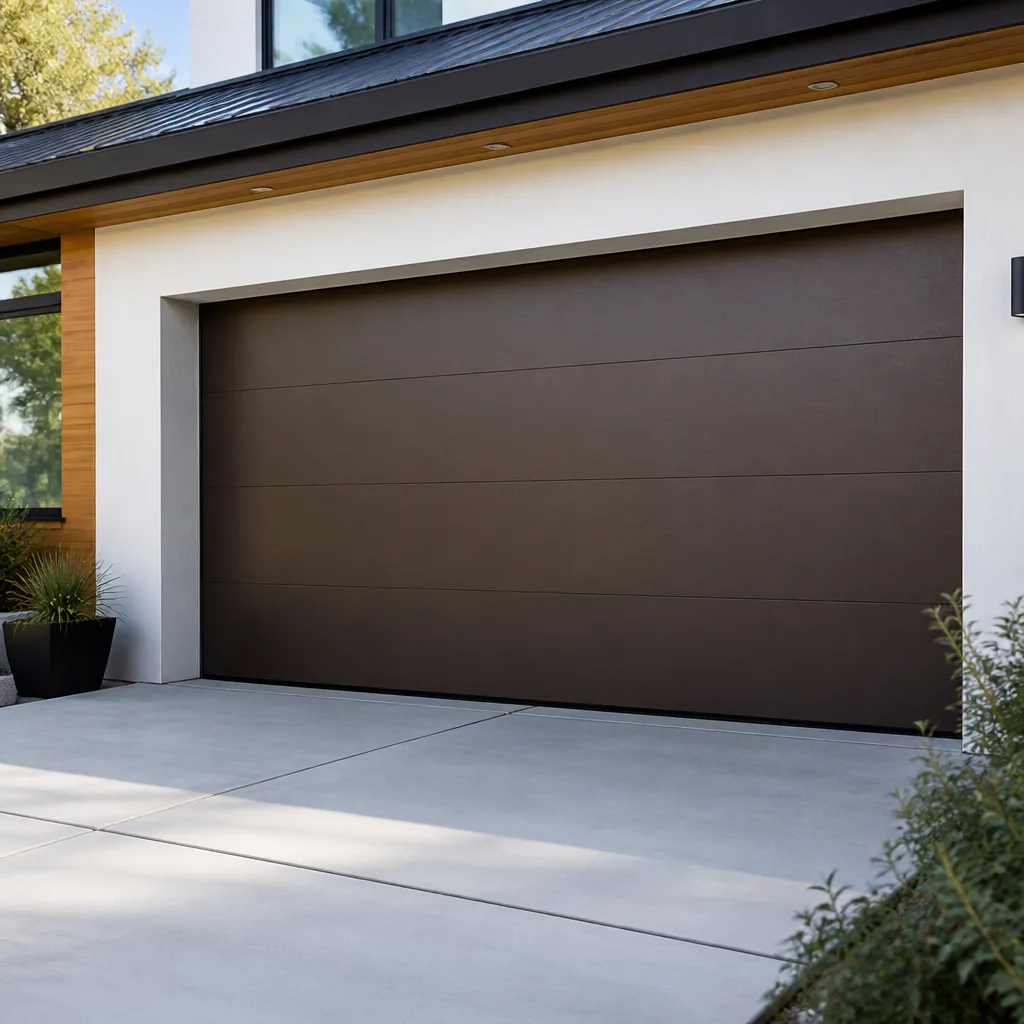 Modern flush
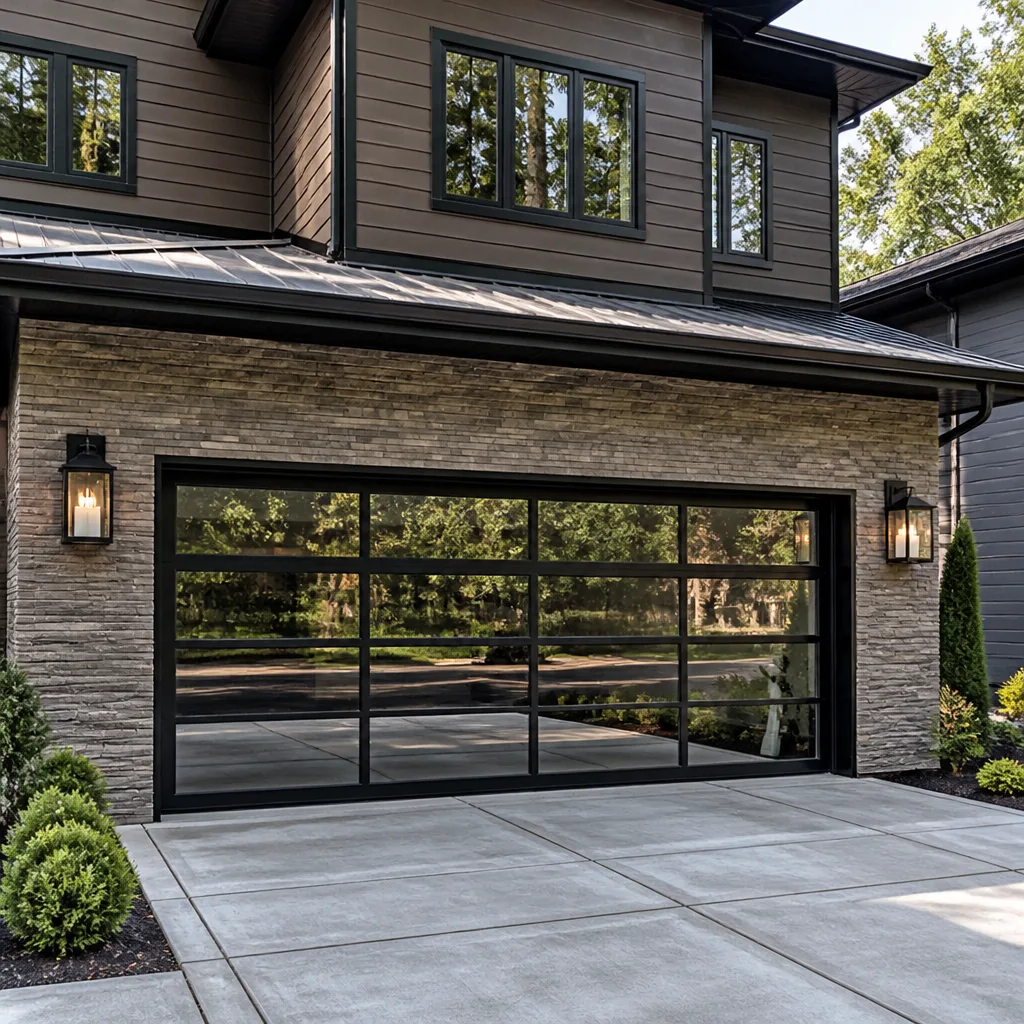 Full-view glass
 LiftMaster openers
 Chamberlain openers
Full 25-point door and opener safety check with every visit - springs, cables, rollers, tracks, and your LiftMaster or Chamberlain opener included
You get a price before we start. It does not change when the pro arrives.
Get your free estimateChoosing the Right Garage Door Brand: A Buyer’s Guide for Hampton
A steel door that earns top marks in a Midwest review might start showing finish problems within a couple of years in Hampton’s humid, salt-influenced air if the coating system wasn’t built for it. Brand reputation doesn’t transfer cleanly across climates. A door engineered for dry cold can be the wrong choice for a city where summer humidity hangs heavy and winter rarely freezes hard. This guide reframes the brand question: instead of asking which name is biggest, we’ll walk through how steel gauge, coating, weather seals, wind-load rating, and parts support actually play out in Hampton. You’ll finish knowing what to put on a spec sheet and what to ignore.
Quick Answer
There’s no single best garage door brand for Hampton. The right choice is the one whose steel gauge, coating system, and weather seal construction match this city’s humidity and storm exposure, and whose parts you can still get locally if a dealer closes. For most Hampton homes, a well-coated steel door in the R-13 to R-16 range from a brand with wide independent service support beats a premium door with a thin coating or a dealer-only parts chain.
Styles & brands we work with
- Raised-panel steel
- Carriage house
- Modern flush
- Full-view glass
- LiftMaster openers
- Chamberlain openers
Table of Contents
- What Actually Matters in Hampton’s Climate
- How Steel Gauge and Coating Systems Differ by Brand
- What “Wind-Load Rated” Means on a Spec Sheet
- Insulation Value in Hampton: Why R-13 to R-16 Often Makes Sense
- Weather Seal Construction and What It Means Here
- Parts Availability and the Dealer-Closure Problem
- Finish Longevity in a Humid Climate
- How to Choose: A Step-by-Step Checklist
What Actually Matters in Hampton’s Climate
Hampton sits on the Virginia Peninsula, where summers are humid and the air holds moisture for months at a stretch. Winters are mild by comparison, with few hard freezes. That combination puts different stresses on a garage door than the dry cold or desert heat that most brand marketing is written around. Moisture, not temperature extremes, is the main thing working against a door here.
That shifts the priority list. In a cold climate, insulation value and thermal breaks top the chart. In Hampton, the finish and the weather seal matter more, because humidity attacks both. A door with a strong steel core and a weak coating will rust from the outside in. A door with a great coating and poor seals will let humid air into the garage and into the door’s interior panels.
Three things deserve the most scrutiny in Hampton:
- Coating system. A multi-layer finish with a baked-on top coat resists moisture far better than a single sprayed coat.
- Weather seal design. The bottom seal, perimeter seals, and section joints are where humid air gets in. Look for replaceable, well-fitted seals.
- Parts support. A door is a long-term purchase, and in a humid climate parts wear faster. You want a brand whose panels, springs, and hardware stay available.
Brand names still matter, but as a proxy for how those three things are engineered, not as a ranking. A well-built door from a brand with modest marketing can outperform a heavily advertised door that skimps on coating. We work with eight major garage door and opener brands, so we see how each one holds up in real Hampton conditions rather than on a showroom floor.
How Steel Gauge and Coating Systems Differ by Brand
Steel gauge and coating are the two specs that most affect how long a door lasts in Hampton. The major brands approach both differently, and the differences show up in coastal Virginia environments where humidity is the constant variable.
Steel Gauge
Gauge refers to the thickness of the steel used in the door panels, and a lower gauge number means thicker steel. Thicker steel resists dents and holds its shape better over years of daily use. It also takes and holds a coating more evenly. In a humid climate, a stable panel surface is important because flexing and denting can crack the finish and open a path for moisture.
Clopay and Amarr both offer steel doors across a range of gauges, with their heavier models built for durability. Wayne Dalton and Raynor use steel constructions that emphasize structural rigidity in their insulated lines. The exact gauge varies by model within each brand, so the spec sheet is what matters, not the brand name alone. Ask for the gauge on the specific door you’re considering.
Coating Systems
Coating is where brands separate most in humid climates. A single-coat, spray-applied finish is the bare minimum, and it tends to show wear first. A multi-layer, baked-on finish with a primer, a base coat, and a top coat holds up much longer. The baking step cures the finish so it bonds tightly to the steel, which is why it resists moisture better than a finish that cures at room temperature.
Clopay’s higher-end steel doors use multi-layer baked-on finishes, and Amarr builds similar systems into its premium lines. Raynor and Wayne Dalton offer textured and wood-grain embossing on their coated doors, which some homeowners prefer for looks and which also adds a layer of surface variation that can help hide minor wear.
When you compare brands, ask one question: how many finish layers, and is the top coat baked on? A brand that gives you a clear, specific answer is likely to have a finish that holds up in Hampton’s humidity.
What “Wind-Load Rated” Means on a Spec Sheet
Wind-load rating tells you how much wind pressure a door and its track system are engineered to withstand. On a spec sheet, the rating is usually given as a pressure in pounds per square foot, with the door tested to a standard. A higher rating means the door, its hinges, its rollers, and its reinforcing struts are built to hold up under stronger wind.
For most Hampton homes on sheltered lots, a standard residential wind-load rating is adequate. But “standard” is doing a lot of work in that sentence. If your home is bayfront, sits on an exposed lot, or has a wide door facing open ground, the door needs a higher rating than a protected inland property.
Here’s what to actually require for a bayfront or exposed-lot location in Hampton:
- A stated wind-load rating on the door you buy. Not the brand’s maximum across its line – the specific rating for the model and size you’re ordering.
- The matching reinforcing hardware. A rated door only performs if its struts, hinges, and track are rated for the same pressure. Brands that sell reinforced track and hardware as part of the rated system are worth the extra attention.
- A track and mounting system that matches the rating. A high-wind load on standard light-gauge track is a mismatch. The installer should confirm the whole assembly is rated, not just the panels.
Wind rating is not a climate feature in the way coating is, but it matters just as much in Hampton because of the city’s exposure to storms. A door that looks great but isn’t rated for the wind pressure at your address is the wrong door for that home. When in doubt, ask the city’s building department what the local requirements are for your property.
Insulation Value in Hampton: Why R-13 to R-16 Often Makes Sense
R-value measures how well a door resists heat flow. The higher the number, the better the insulation. In very cold climates, going premium on R-value pays back because the garage sits against heated rooms and loses heat through the door. Hampton has mild winters, so the heating case for a premium door is weaker here than in a Minnesota or Wisconsin market.
That doesn’t mean insulation doesn’t matter in Hampton. It does, for two reasons.
- Air conditioning. An uninsulated garage door on a hot summer day acts as a heat sink. The garage heats up, and if the garage shares a wall or ceiling with the house, that heat finds its way in. A moderately insulated door reduces that load.
- Comfort and noise. An insulated door is quieter in operation and keeps the garage more comfortable in summer, which matters if you use it as a workspace or a pass-through entry.
For most Hampton homes, a door in the R-13 to R-16 range hits a sensible balance. It’s enough insulation to take the edge off the summer load and quiet the door, without the premium of an R-18 or higher door that’s engineered for hard winters which don’t happen here. A premium R-18+ door is a fine product; it’s just more insulation than the climate calls for in most properties.
If your garage sits under living space or the door faces west and catches afternoon sun, lean toward the higher end of that range. If it’s a detached garage used for storage, the middle of the range is usually plenty.
Weather Seal Construction and What It Means Here
Weather seals are the strips along the bottom, sides, and top of the door that keep air and moisture out. In Hampton’s humid air, seals are the first line of defense for the door itself. Moisture that gets past the seal can work into the panel edges and section joints, where finish wear starts.
Bottom Seals
The bottom seal is the most important and the most likely to wear. Look for a replaceable bottom seal that’s built to compress evenly along the floor. A well-designed bottom seal follows the floor’s contour, and a replaceable one can be swapped when it stiffens or tears without replacing the door. In a humid climate, seals can stiffen over time, so replaceability matters.
Perimeter Seals and Section Joints
The perimeter seals along the sides and top keep air from blowing in, and the section joints hold the panels against each other. Brands differ in how well their section joints fit and whether jambs carry proper weatherstripping. Tighter joints and good perimeter seals make a real difference in a humid garage.
How Brands Approach It
Clopay, Amarr, and Raynor all offer replaceable bottom seals on their better residential doors. Wayne Dalton doors often use a bottom seal built into the lower panel, which is worth understanding if you plan to keep the door for many years. The right approach in Hampton is to look for replaceable seals across the board, because replacing a seal is far cheaper than replacing a door.
Parts Availability and the Dealer-Closure Problem
A garage door is a long-term purchase. Over its life, springs wear, rollers need replacing, hinges loosen, and seals age. In a humid climate those wear cycles can come sooner. What happens to parts availability when the brand’s local dealer closes or changes hands is a question most buyers never ask until it’s too late.
Some brands are distributed primarily through a dealer network, and if the local dealer goes away, parts can be slow to source or expensive to order. Other brands are widely supported by independent service businesses, which means parts stay available even when a dealer leaves the picture.
Here’s what we look at when helping Hampton homeowners think about parts support:
- Independent service support. Brands that many independent technicians can service tend to have better parts availability over time.
- Standard versus proprietary parts. Doors built around common, standard parts are easier and less costly to repair than those using proprietary pieces.
- Opener compatibility. If you’re pairing a new door with an opener, check the opener brand’s parts support too. LiftMaster and Craftsman openers are widely supported, which makes them a reliable pairing for many Hampton homes.
We work on LiftMaster, Chamberlain, Genie, Clopay, Amarr, Wayne Dalton, Craftsman, and Raynor systems, so we can help you check whether a brand you’re considering has the parts support it will need over its life. A brand with broad independent support is usually the safer choice in a market like Hampton.
Finish Longevity in a Humid Climate
Finish longevity is where brand choices show up most visibly over time. In humid climates, lower-quality finishes chalk, fade, and eventually flake. Once the finish flakes, moisture reaches the steel underneath, and rust follows. In Hampton, the difference between a good finish and a poor one can show up within a few years of exposure.
Two finish factors matter for longevity here:
- Embossing. Textured or wood-grain embossing adds visual interest and can help hide minor scuffs, but the more important effect is that it signals a more engineered finish process. A door with a well-embossed surface is typically built with a multi-layer coating, not a single spray coat.
- Top coat system. A baked-on, multi-layer top coat resists moisture and UV better than a room-temperature finish. It’s the single biggest predictor of how a door’s finish holds up in Hampton’s humidity.
Signs a finish is failing in this climate: chalky residue on the surface after rain, dulling that doesn’t wash off, fading that shows a color shift against the rest of the door, and eventually flaking at panel edges or section joints. If you see these within the first several years, the finish likely wasn’t built for this climate.
Premium lines from Clopay and Amarr use multi-layer finishes designed for humid conditions. Raynor’s textured finishes hold up well in coastal Virginia conditions. A brand’s finish system is worth asking about directly before you buy.
How to Choose: A Step-by-Step Checklist
Choosing a brand in Hampton comes down to a short, practical checklist. Work through it in order, and the right brand becomes clearer.
- Confirm the steel gauge and coating system. Ask for the gauge and the finish layers on the exact model you’re buying, not the brand’s flagship.
- Match the wind-load rating to your property. Bayfront or exposed lot means a higher rating and matching reinforcing hardware. Sheltered lot means a standard residential rating is fine.
- Choose an R-value that fits Hampton’s climate. R-13 to R-16 is a sensible target for most homes here. Go higher only if the garage sits under living space or faces the afternoon sun directly.
- Check the weather seals for replaceability. Replaceable bottom and perimeter seals save money over the life of the door.
- Ask about parts support. Confirm the brand has independent service support so parts stay available if a dealer closes.
- Review the finish system. Look for a multi-layer, baked-on top coat and consider an embossed finish for longevity and looks.
- Get a written estimate before any work starts. The written quote sets the price. Ask for specifics on the model, size, finish, and hardware.
If your current door needs attention rather than replacement, we handle garage door repair for every major brand we service, and we’re glad to help you decide whether a repair or a new door is the better call. Our technicians have up to 11 years of experience with these systems.
Common Mistakes to Avoid
- Choosing a brand by reputation alone. A door that performs in a dry or cold market can underperform in Hampton’s humidity if the coating isn’t built for moisture. Match the brand to the climate, not the marketing.
- Buying a premium R-value for the wrong reasons. An R-18+ door is a strong product, but in Hampton’s mild winters that extra insulation rarely pays for itself unless the garage sits under living space or faces long sun exposure.
- Ignoring wind-load rating on exposed lots. A bayfront or open-lot home needs a rated door with matching reinforcing hardware. A standard door on an exposed property is a mismatch from day one.
- Skipping the parts support question. If the brand’s dealer closes, parts availability decides how hard a future repair is. Ask about independent service support before you buy.
- Overlooking seal replaceability. Seals wear faster in humid climates, and a door with non-replaceable seals can force a bigger repair than necessary. Confirm the bottom and perimeter seals are replaceable.
- Comparing by brand alone instead of spec. Two doors from the same brand can differ in gauge, coating, and seals. Compare the exact models and read the spec sheets, not the brand labels.
- Skipping the written estimate. A written price before work starts protects you from surprises. Ask for the model, size, and hardware in writing so the quote and the work match.
See the difference
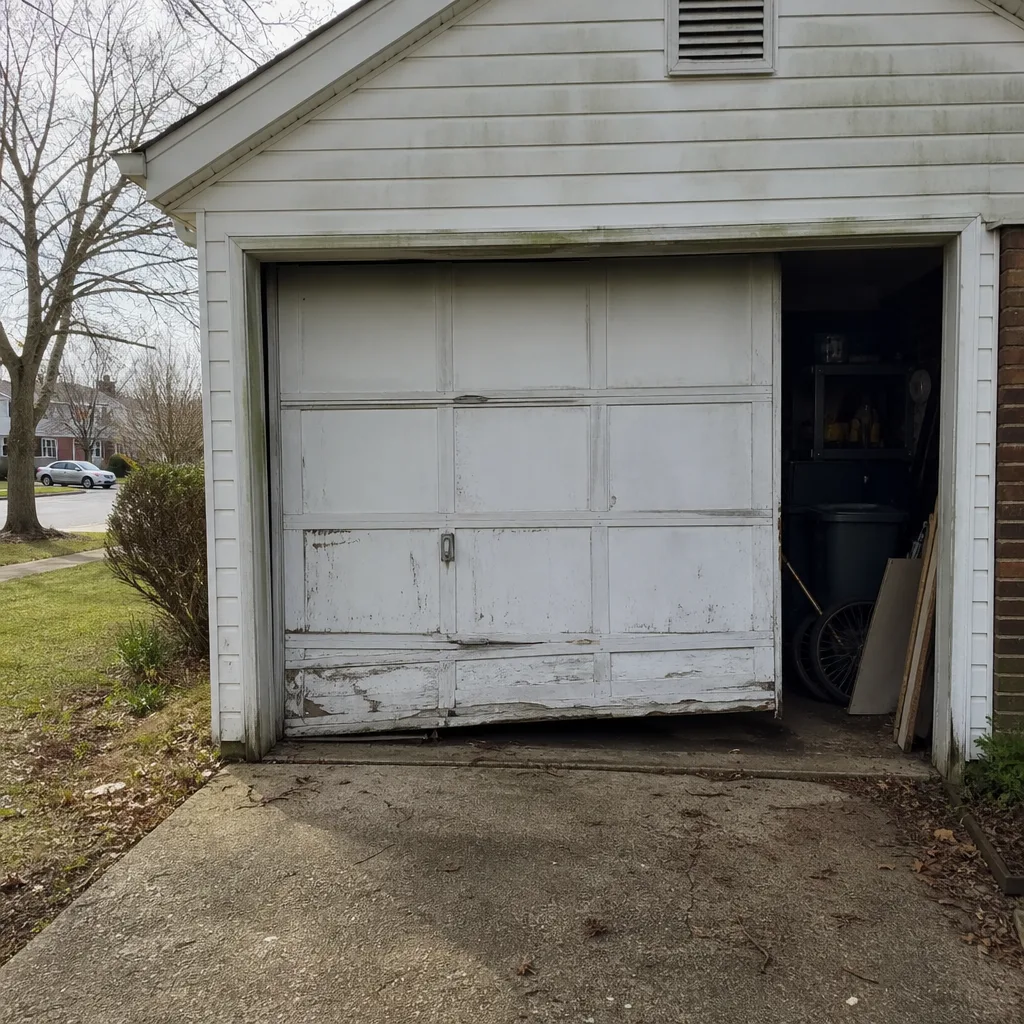 Before
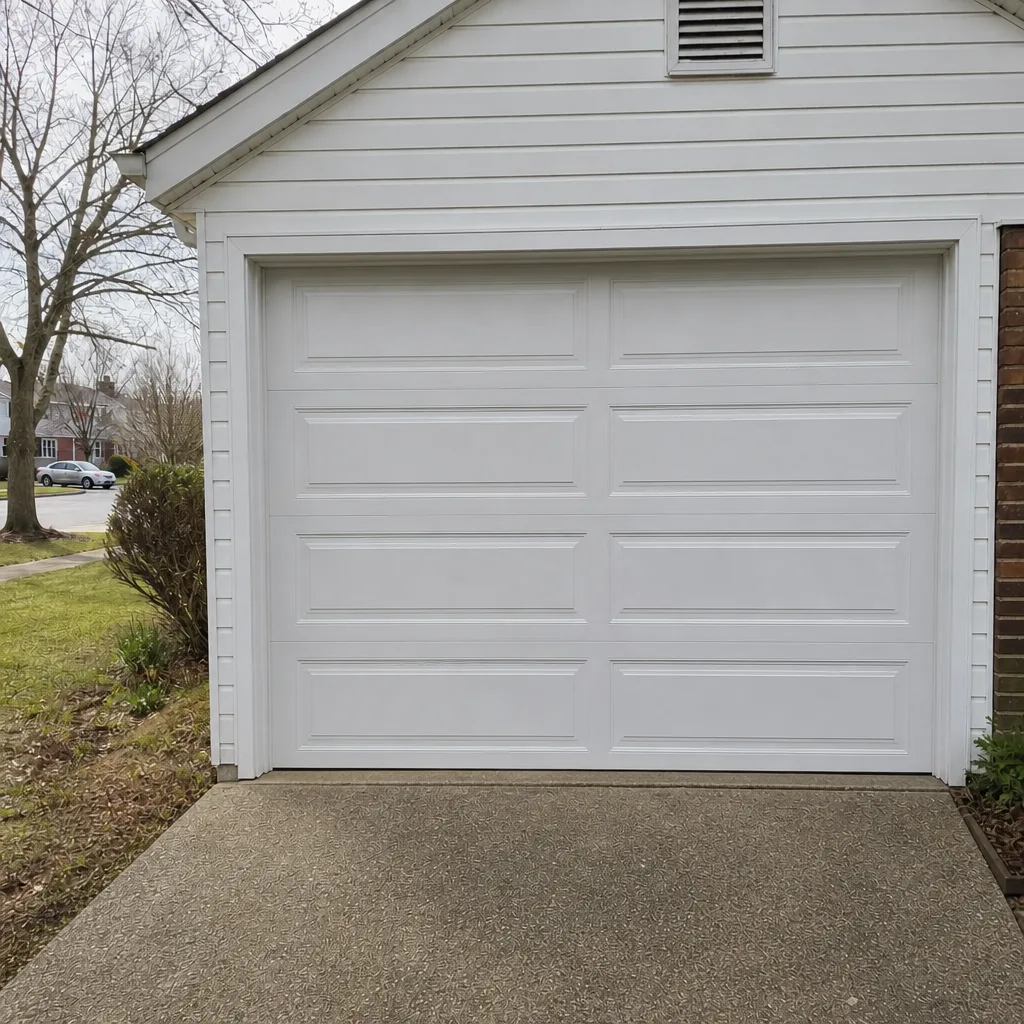 After
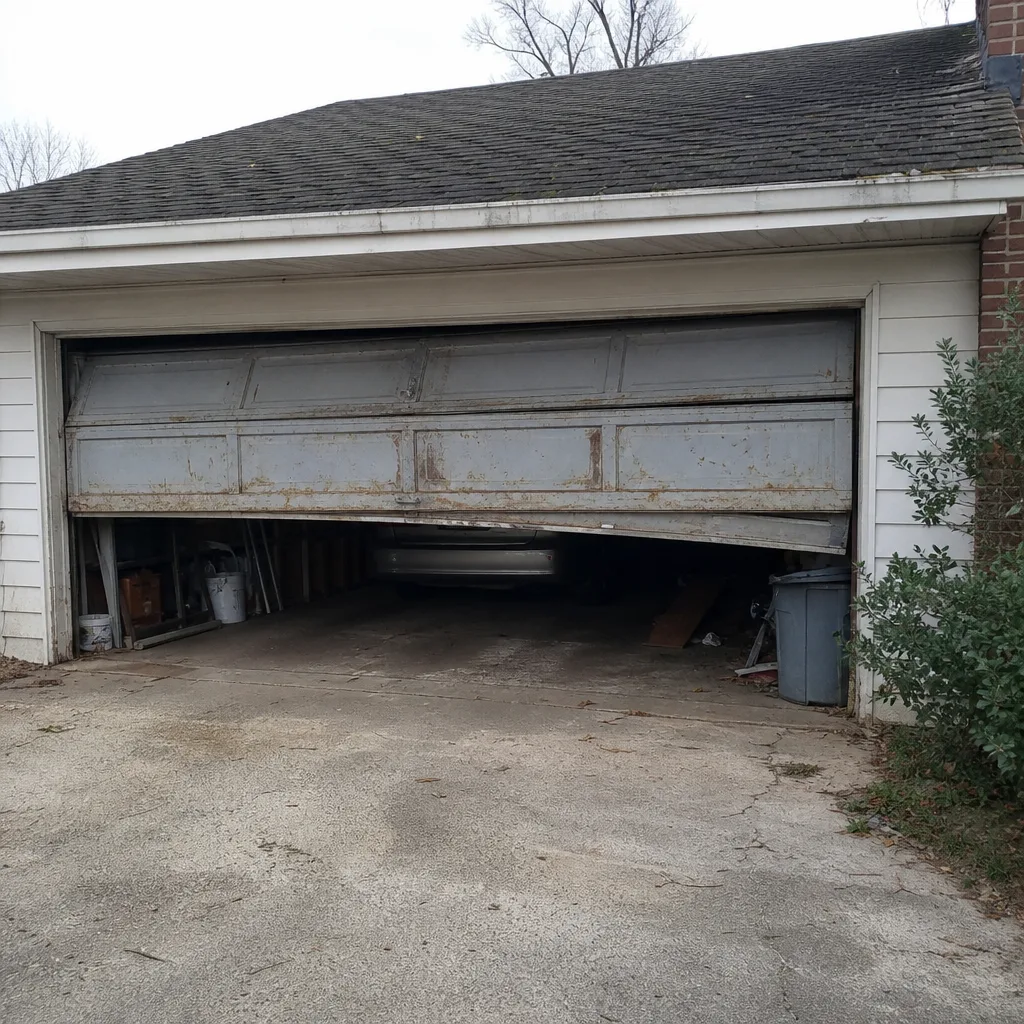 Before
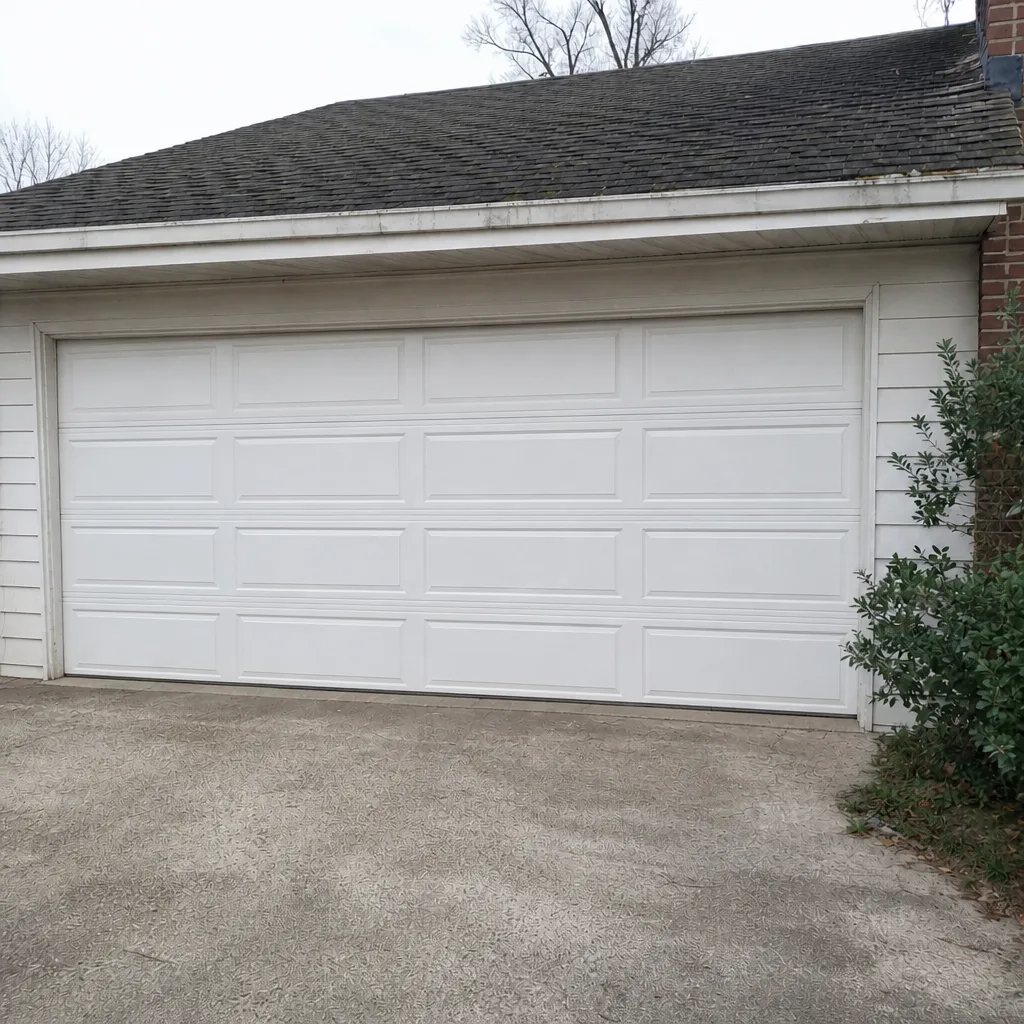 After
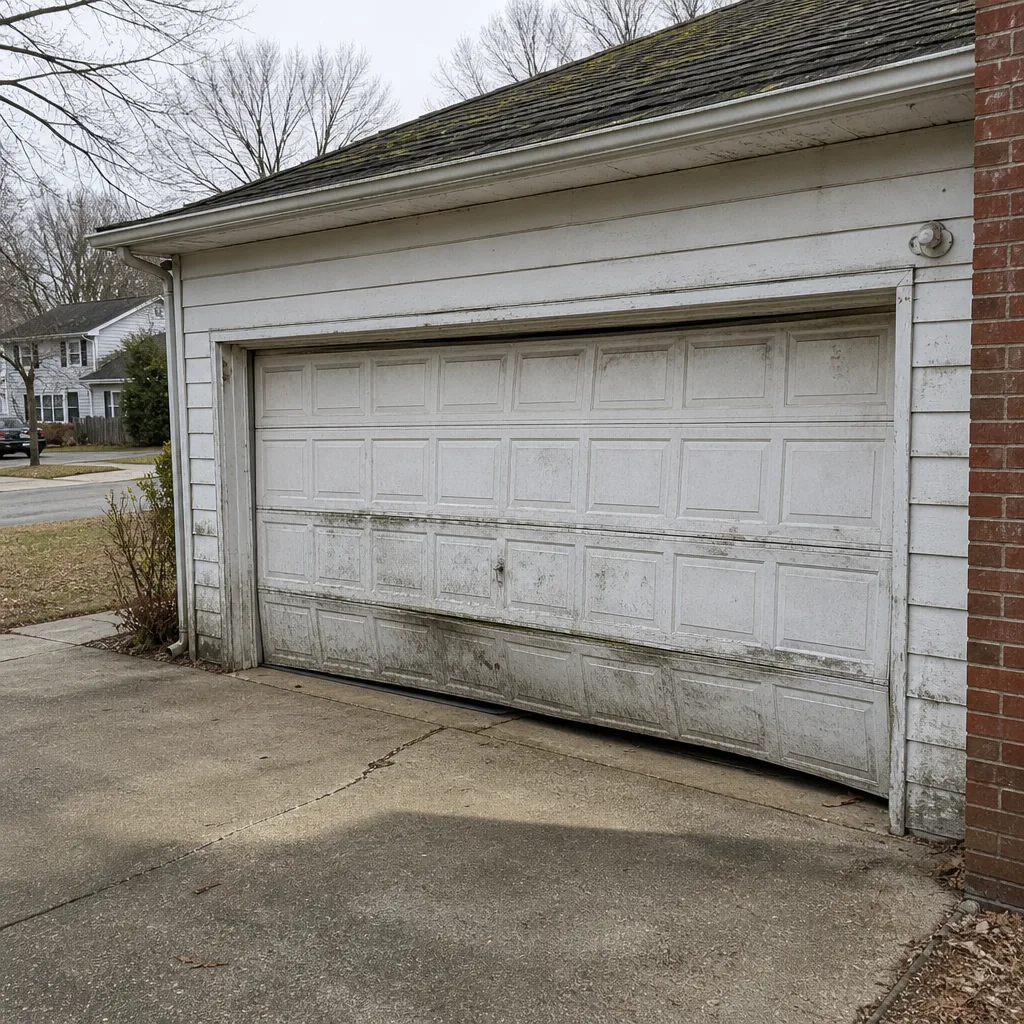 Before
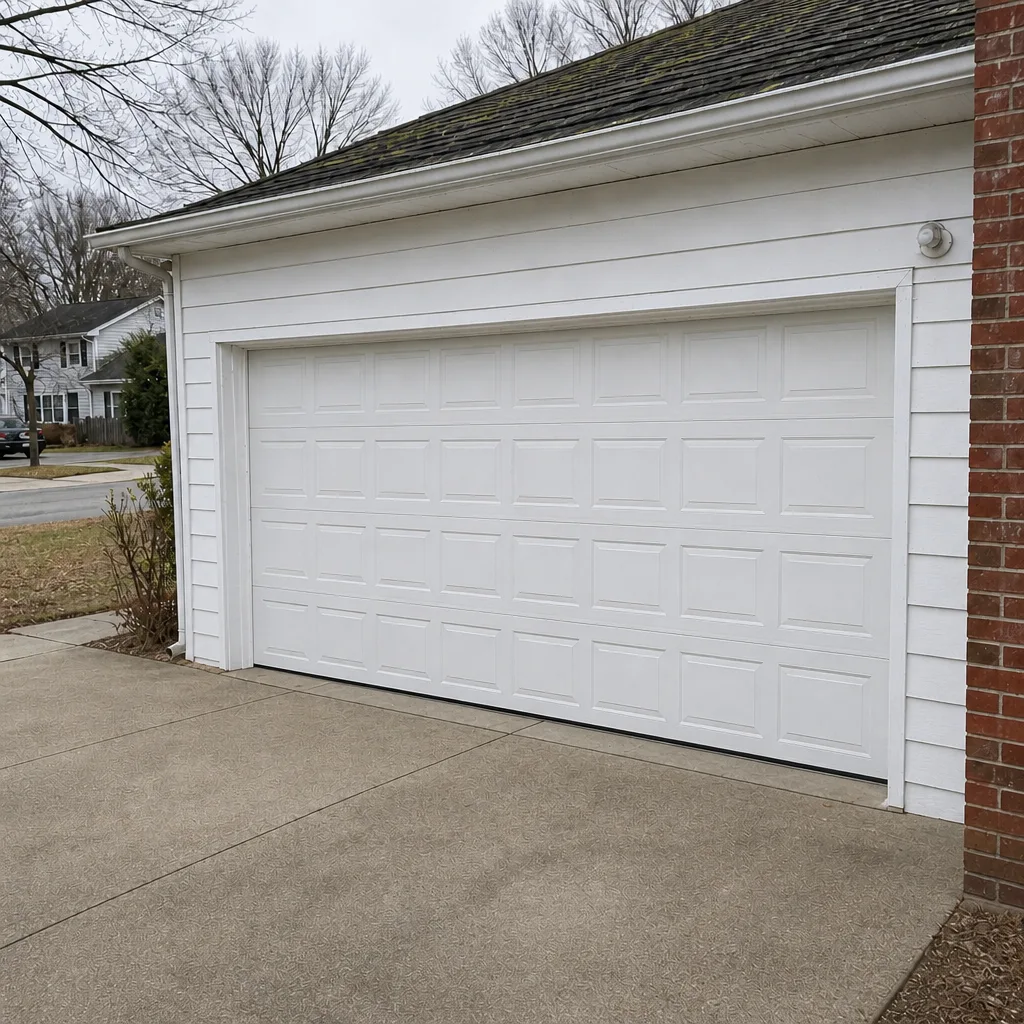 After
When to Call a Professional
A few situations warrant a call rather than a weekend DIY attempt. If your door has a broken spring or a snapped cable, that’s a job for a trained technician: those components are under high tension and can cause serious injury if handled without the right tools and technique. If the door comes off its track, binds, or won’t open evenly, that’s a repair call. If your opener motor, remotes, keypad, or safety sensors misbehave, we handle garage door opener repair for LiftMaster, Chamberlain, Genie, Craftsman, and the other major opener brands. And if your door is beyond repair, we handle installation so you’re not left finding a separate contractor.
Dayspring Garage Door Repair offers free estimates in Hampton. Call (866) 942-6044. We answer 24/7. Fast dispatch from 7am to 7pm, Sunday through Friday. We’re closed Saturday.
Frequently Asked Questions
There isn’t one best brand for Hampton. The right door is the one whose steel gauge, coating system, weather seals, and wind-load rating fit your specific property. For most homes, a well-coated steel door in the R-13 to R-16 range from a brand with wide independent parts support is the smart choice. Call (866) 942-6044 for help matching a brand to your home – estimates are free.
No, and that’s the counterintuitive part. Hampton’s winters are mild, so the heating case for a premium door is weaker here than in cold climates. R-13 to R-16 is sensible for most Hampton homes, mostly to reduce summer heat load and quiet the door. Go higher only if your garage sits under living space or faces the afternoon sun. Call (866) 942-6044 to talk through the right range for your home.
Wind-load rating is the wind pressure a door and its track are engineered to withstand, usually given in pounds per square foot. Sheltered lots can use a standard residential rating. Bayfront, exposed-lot, and wide-door homes need a higher rating with matching reinforcing hardware. Call (866) 942-6044 for a free estimate and a check of what your property needs.
Parts availability depends on whether the brand has broad independent service support. Brands supported by independent technicians tend to keep parts available even when a dealer leaves the market. Brands sold through a narrow dealer network can make parts slow or costly to source. We work on LiftMaster, Chamberlain, Genie, Clopay, Amarr, Wayne Dalton, Craftsman, and Raynor systems – call (866) 942-6044 to ask about a brand you’re considering.
A multi-layer, baked-on finish from a premium line should hold up for many years in Hampton’s humidity. A single-layer spray finish can chalk and fade within a few years of exposure, and flaking at panel edges is the sign it’s failing. Check the finish system on the exact model you’re buying. Call (866) 942-6044 for a free estimate if your current door’s finish is already failing.
Yes. We service eight major garage door and opener brands, and mixed-brand setups are common. We identify the actual system you have and work with it, so you don’t need to track down which brand made your door and which made your opener. If you’re unsure what you have, we can help sort it out. Are the technicians licensed and insured? Yes, our technicians are state-licensed, insured and bonded, and our technicians have up to 11 years of experience. Call (866) 942-6044 for a free estimate.
The Bottom Line
Choosing a garage door brand for a Home in Hampton comes down to matching the specs to this climate, not picking the name with the biggest presence. Prioritize a multi-layer baked-on finish, replaceable weather seals, a sensible R-13 to R-16 insulation range, and a wind-load rating that fits your property. Favor brands with wide independent parts support so a dealer closure doesn’t leave you stranded. Steel gauge, coating, seals, and parts support tell you more about how a door will hold up in Hampton than any brand ranking will.
If you’d like help matching a brand to your home, or you’d rather have us look at your current door before you decide, we’re glad to help. We’re the company homeowners call when they don’t know who made their door – we identify the system and work with it. Whether it’s the door, the opener, or both, we handle repair, opener repair, and installation for the major brands. Take a look at how we approach Dayspring Garage Door Repair or explore our Hampton page for more on how we work in this city.
Call (866) 942-6044 for a free estimate. We answer 24/7. Fast dispatch from 7am to 7pm, Sunday through Friday. A call outside dispatch hours is booked into the next opening, Sunday through Friday, 7am to 7pm. We’re closed Saturday. The estimate is free, and the written quote sets the price before any work starts.
Written by the team at Dayspring Garage Door Repair.