
Last updated November 14, 2026
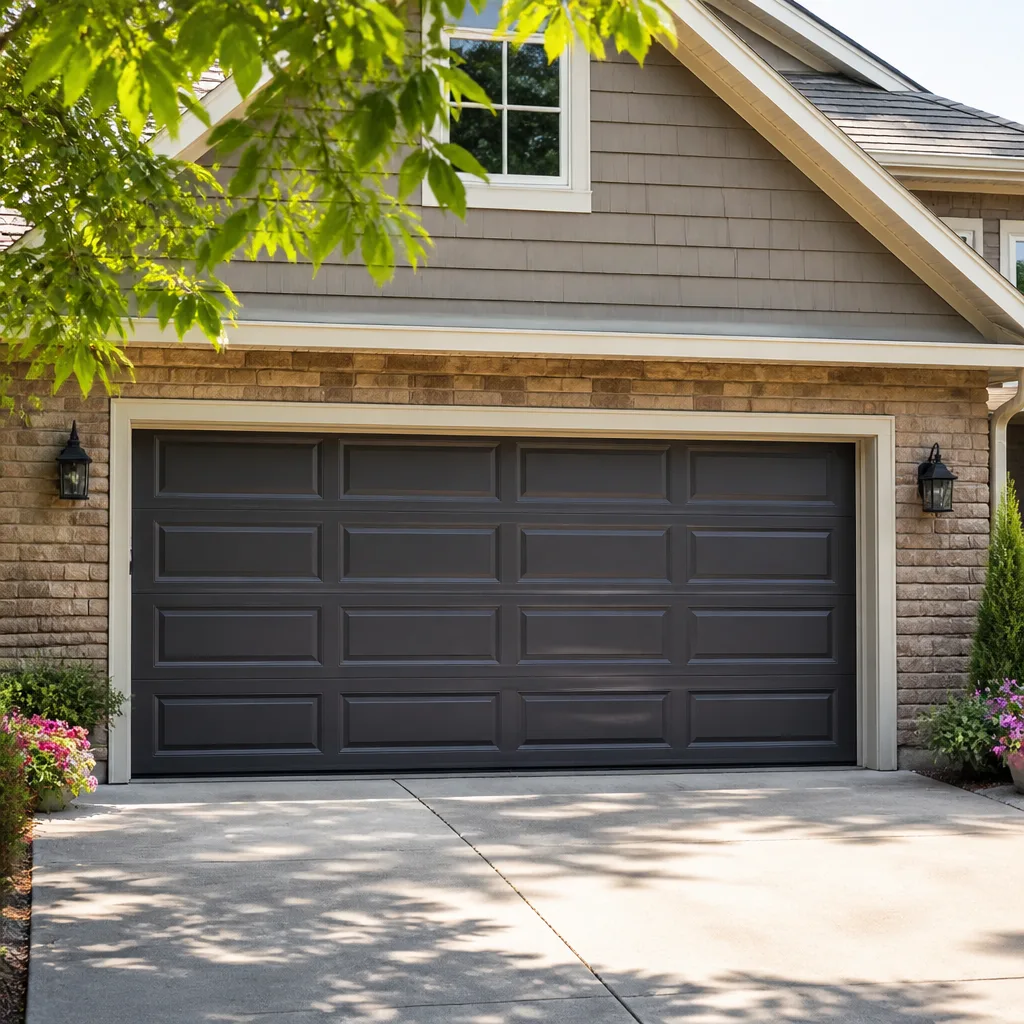 Raised-panel steel
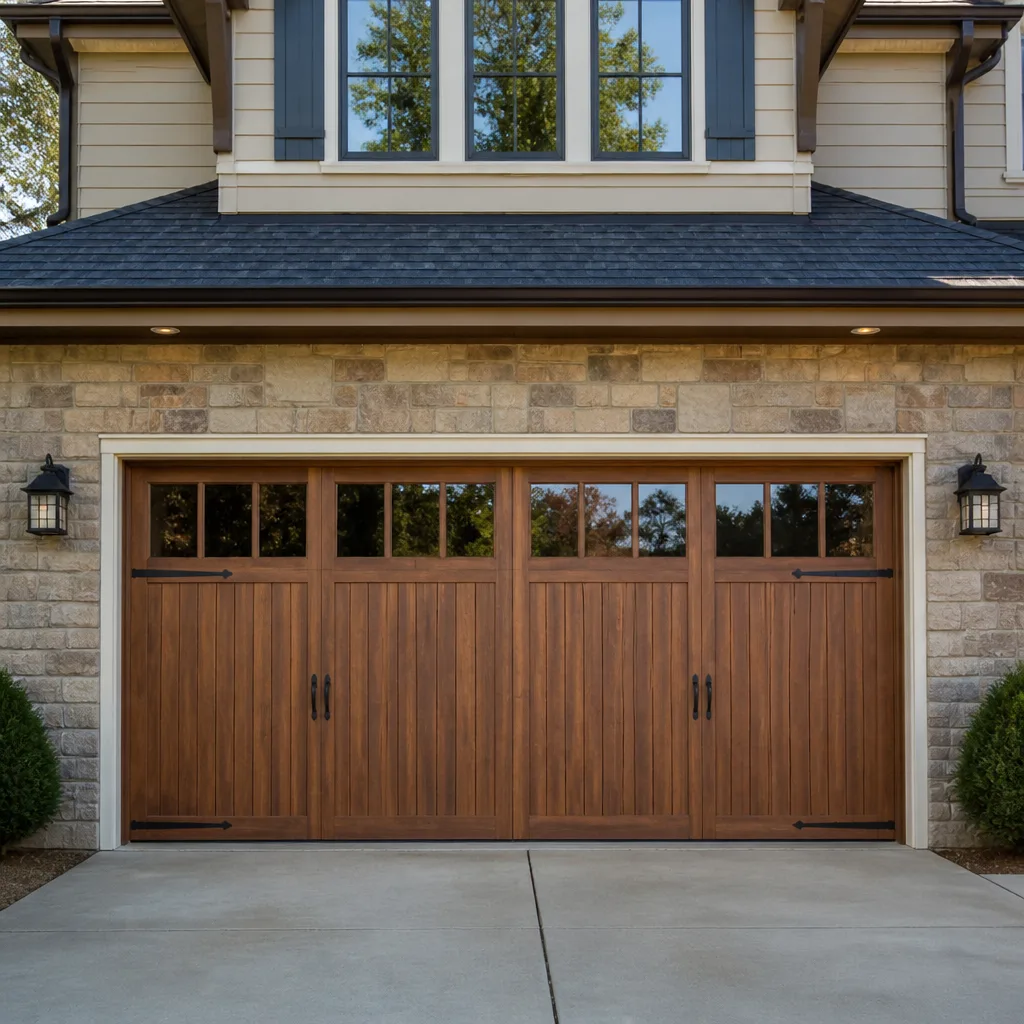 Carriage house
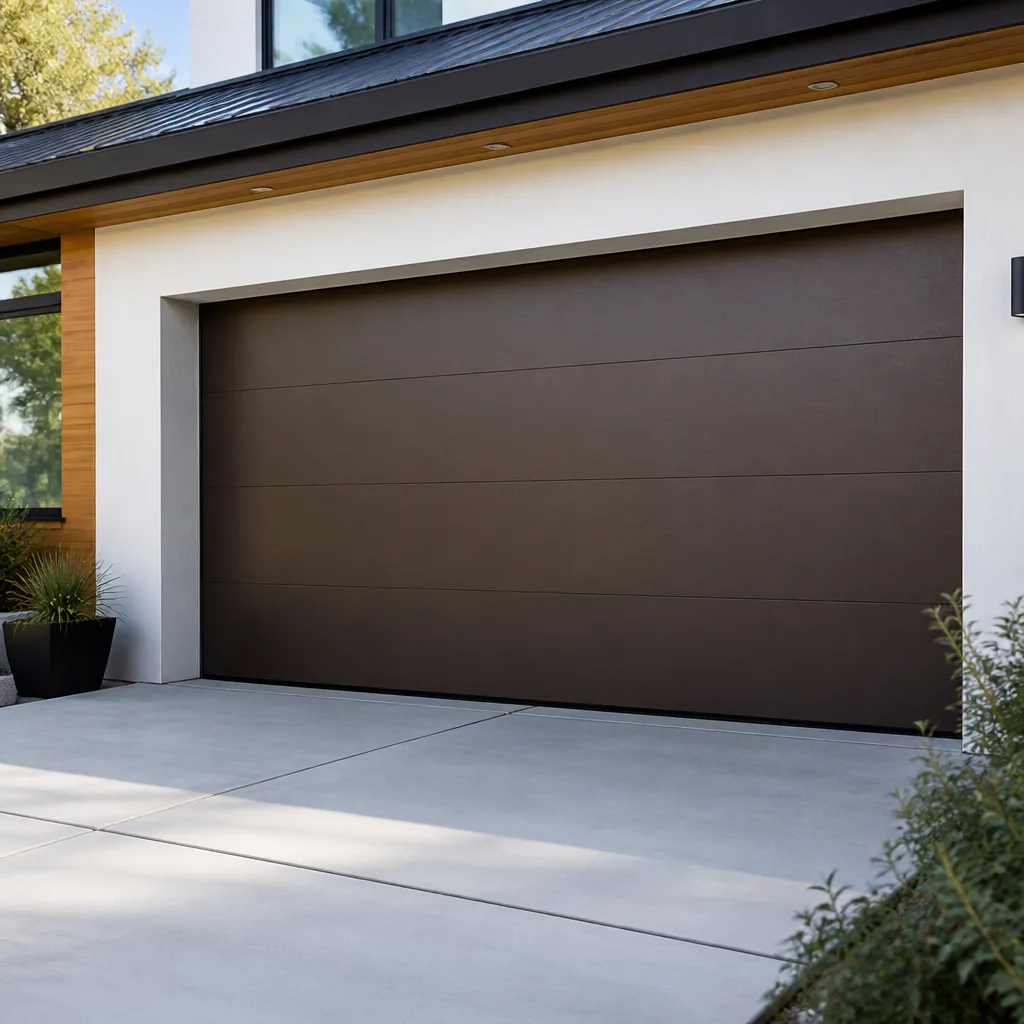 Modern flush
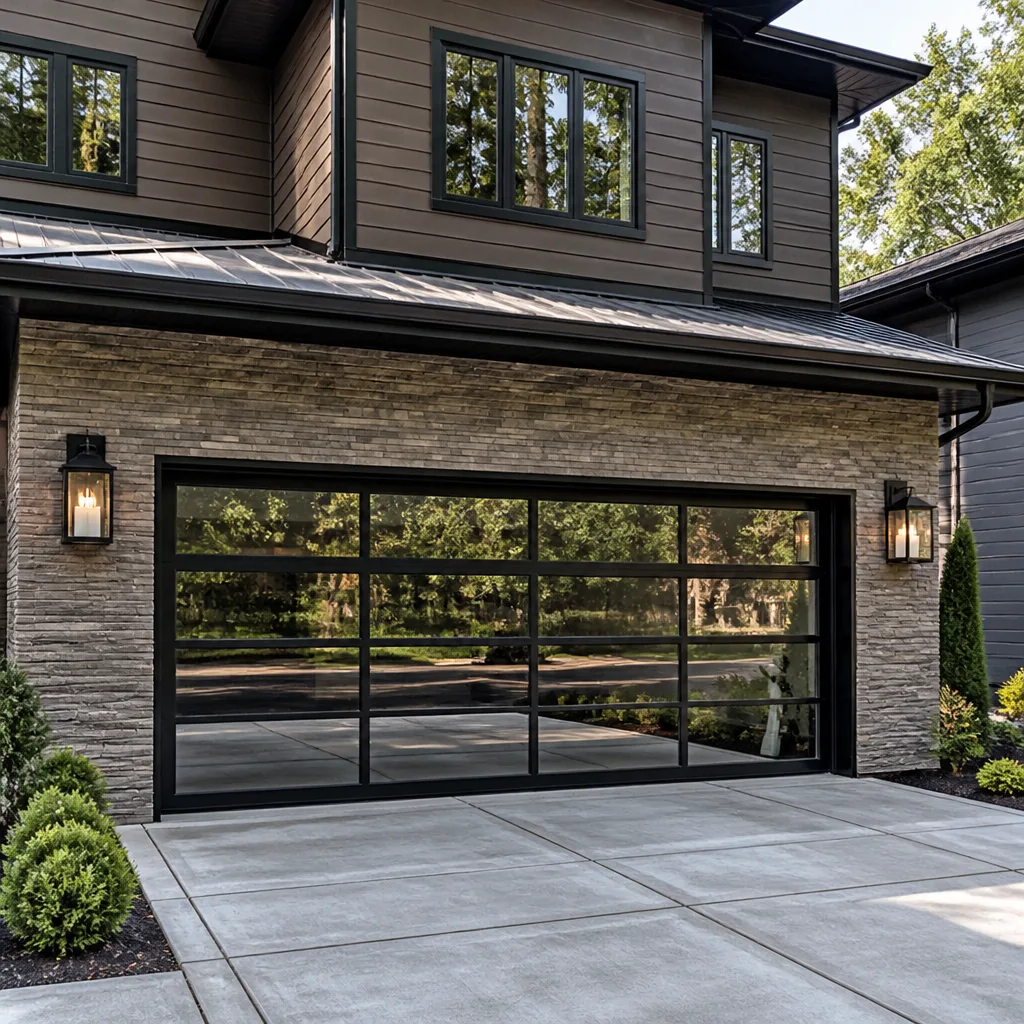 Full-view glass
 LiftMaster openers
 Chamberlain openers
Full 25-point door and opener safety check with every visit - springs, cables, rollers, tracks, and your LiftMaster or Chamberlain opener included
You get a price before we start. It does not change when the pro arrives.
Get your free estimateGarage Door Emergency Preparedness Guide for Hampton Homes
Most garage door emergencies in Hampton don’t look like the ones people plan for. Homeowners picture storm damage: a panel punched in, a door buckled by wind. Those happen. But the call we hear most often isn’t about a door that broke on its own. It’s about a door that just won’t move, with a car stuck behind it, in a house where the garage is the front door and the power is out. The real gap in most Hampton plans is preparation, not repair. This guide walks through the two kinds of garage door emergencies that hit Hampton homes, the manual release done right, how to lock down before an evacuation, what to do when a door leaves its tracks, and how to build a ten-minute emergency prep kit.
Quick Answer
Garage door emergencies in Hampton fall into two groups: mechanical failures (broken springs, snapped cables, dead openers, doors off their tracks) and storm-driven failures during hurricanes or nor’easters. The mechanical fix is hands-off until a technician arrives; the storm fix is largely about preparation, since Florida-style evacuation urgency is rare but Hampton’s hurricane season is real. Every Hampton home needs three things ready before anything goes wrong: a working manual release, a locked-down door if the power is out, and our number saved.
Styles & brands we work with
- Raised-panel steel
- Carriage house
- Modern flush
- Full-view glass
- LiftMaster openers
- Chamberlain openers
Table of Contents
- The Two Kinds of Garage Door Emergencies in Hampton
- How to Use the Manual Release Correctly (and When Not To)
- Hurricane Season: What to Do With Your Door Before You Evacuate
- Securing a Garage After a Broken Spring or Cable
- When a Door Comes Off Its Tracks
- Building a 10-Minute Garage Door Emergency Prep Kit
- What to Do When the Opener Fails Mid-Morning
- The Maintenance That Prevents Most Emergencies
The Two Kinds of Garage Door Emergencies in Hampton
The single biggest mistake in garage door prep is treating every emergency as the same animal. A door that won’t open because of a snapped spring needs one response. A door that won’t open because the power went out during a storm needs another entirely. Mix them up and you’ll make a bad morning worse.
Mechanical Failures
These are the ones that happen on an ordinary Tuesday. A spring lets go, a cable snaps, an opener motor burns out, a door jumps its track. The garage door is your home’s largest moving part, and it takes a daily beating: open, close, open, close, dozens of times a week, year after year. Springs especially carry enormous tension under normal operation and are designed to fail eventually. In Hampton’s humid summers and cooler winters, metal fatigue and corrosion creep in faster than homeowners expect.
Mechanical failures usually leave you with one of three problems: a car trapped inside, a home that’s left unsecured because the garage is the main entry, or a door stuck halfway and visibly open to the street. Each has its own correct response.
Storm-Driven Failures
Hampton sits in a hurricane belt that also catches Nor’easters rolling up the Atlantic. Wind-driven rain, sudden gusts, and flying debris all test a garage door. A storm-driven failure has its own timeline: it happens when conditions are dangerous and evacuation may already be underway. The response is different because you may not be there to manage it, and because a wind-loaded door needs to be secured from the outside. This is the scenario most Hampton homeowners prepare for worst and understand least.
Neither kind of emergency responds well to improvisation. Preparation on a calm morning is what makes the difference when the phone call goes out. When a failure does happen, garage door repair is the call that gets the door back in service, and knowing what to do in the meantime is what this guide is for.
How to Use the Manual Release Correctly (and When Not To)
The manual release is the most misunderstood piece of hardware on any garage door. Every opener has one: a rope or lever with a cord hanging from the trolley. Pulling it disconnects the door from the opener so you can lift the door by hand. Done right, it frees a trapped car when the power is out. Done wrong, it leaves the door unattached and difficult to reconnect, or it drops a door that’s under spring tension.
The Correct Technique
- Locate the release cord. It hangs from the trolley near the opener rail. If you can’t find it, feel along the rail; it’s usually a red-handled cord.
- Make sure no one is standing under the door and that the door is fully closed. A door under tension can drop when disconnected.
- Grasp the cord firmly and pull straight down, once, decisively. The trolley disengages with an audible click.
- Lift the door by hand from the bottom center, using both hands, slowly and evenly. It should move with steady resistance.
- When done, reconnect by lifting the door back to the closed position and running the opener briefly. The trolley should re-catch automatically as it travels.
Here’s the part most guides skip: if the door won’t lift smoothly after you’ve pulled the cord, the spring may already be broken or the release mechanism may be jammed. Stop pulling. A stuck release is a technician call, not a homeowner puzzle.
When NOT to Use the Manual Release
Never pull the release if the door feels heavy, if there’s visible slack in the cables, or if you suspect a broken spring. A garage door with a failed spring is dead weight, and pulling the release can let it fall without warning. On any opener – LiftMaster, Chamberlain, Genie, or a system you don’t recognize – the rule is the same: the release only works safely when the door is balanced and the springs are intact.
If you’re unsure, call us. Dayspring Garage Door Repair technicians have up to 11 years of experience diagnosing exactly this kind of situation, and we can tell over the phone whether it’s safe for you to release the door or whether you should leave it until we arrive.
Hurricane Season: What to Do With Your Door Before You Evacuate
Hampton’s hurricane season runs June through November, and the right time to prepare is a clear day in April, not the night a storm is named. The scenario that traps Hampton homeowners is this: the power goes out, the garage door is the only exit route that takes a car with it, and there’s no time to troubleshoot.
Before You Leave
- Disconnect the opener at the circuit panel if you have advance warning. That prevents a power surge from damaging the opener during the storm.
- Close the door completely. An open garage door is the first thing wind grabs. A closed door is your best wind defense.
- Pull the manual release only if the door is balanced and you need to leave a vehicle outside. Otherwise leave the door connected.
- If the power is out and the door is already down, lock it from the outside using the manual slide bolt on some doors, or place a heavy bar across the inside face if you’re still home. From outside a locked garage, this is best handled before the storm.
- Photograph the door and opener. This matters for insurance, and the calm-before-the-storm is the only time you’ll get a clean shot.
If You’re Already Out of Time
If you need to lock a garage from the outside when the power is out, know that only a physically intact locking mechanism works: the sliding interior lock bar, a padlock through the track (do not do this with a powered door), or a manual exterior handle lock. A garage door with a dead opener and no locking hardware should be treated as unsecured. That’s a call-the-tech situation, not a leave-it situation.
Before a hurricane, don’t rely on any temporary barricade. A board leaning against a door from the outside looks secure and isn’t. A real hurricane-rated door and a working opener, serviced before the season, are the actual preparation.
Securing a Garage After a Broken Spring or Cable
A broken spring announces itself with a loud bang and a door that won’t lift. A broken cable is quieter but just as serious: the door may sag on one side or hang crooked. In both cases, the door is under partial or failed tension and is not safe to force. Here’s what IS and ISN’T genuinely secure.
What’s Genuinely Secure
- Leaving the door closed and latched. A door down and locked at its tracks is secure. It’s not going to fall further.
- A manual slide lock or track lock, if you’re physically able to reach it without climbing under the door.
- A deadbolt-style exterior lock, on doors that have one.
- A temporary bar placed inside the tracks at the bottom corner, if you can install it without pulling the door.
What Only Looks Secure
- A board wedged under the door. The door may still move.
- A zip tie or rope tying the door to the track. It can slip and the door can shift.
- Anything that involves reaching under or beside a door with a broken spring.
For garage door opener repair, the same rule applies: a motor that runs but can’t lift the door because of a spring failure isn’t an opener problem. Forcing the opener to work against a failed spring can burn out the motor and turn a spring repair into a spring plus opener repair. Dayspring covers both under one call; you won’t be sent to another contractor. If you have a LiftMaster or Chamberlain system that’s been acting up, call us before the motor gives out.
When a Door Comes Off Its Tracks
A door that’s left its tracks is the most dangerous garage door failure there is. The door is unbalanced, the panels may be hanging, and the risk of a panel falling on a person or a car is real. The instinct is to force it back on. Don’t.
Steps That Stabilize the Door
- Stop operating it. Don’t run the opener. Don’t pull the manual release. Don’t push on the door.
- Keep everyone, especially children and pets, out of the garage.
- If you can reach the opener safely, disconnect its power at the wall or breaker.
- If the door is partially open and hanging, prop nothing under it. Do not put a car under it.
- Call for professional help. This is not a same-day exception; a door off its tracks should be secured by a technician.
Steps That Make It Worse
- Forcing the door back onto the track by hand. This can bend the track, break a panel hinge, or snap a cable.
- Running the opener to “test” it. The opener will drive the door further off the track.
- Pulling the manual release under load. The door can drop.
- Parking a second car under the door. Even if the door looks stable, vibration from a closing garage door can shift it.
A door off its tracks is almost always a same-call fix for a trained technician. We answer 24/7. Fast dispatch, 7am-7pm, Sunday through Friday.
Building a 10-Minute Garage Door Emergency Prep Kit
A garage door emergency kit is small. It fits on a shelf in a garage and takes ten minutes to build on a calm afternoon. Here’s what goes in it and why.
Physical Items
- A manual key or garage door handle key, stored inside the house, not on a keyring that could be inside a car.
- A labeled diagram or photo of where your release cord hangs, taped to the inside of the garage entry door.
- A small flashlight with fresh batteries. Store it near the garage entry, not in the car.
- A copy of the door’s brand, model, and spring type, if you know them. For LiftMaster or Chamberlain owners, this can shorten a diagnostic call.
Information You’ll Need
- The number of a garage door company whose technicians work on your brand. Save it in your phone as “Garage Door” so it appears above a different contractor.
- Photos of the door’s current state from outside, inside, and the opener unit.
- A note of when the door was last serviced, if you know it.
Photos for Insurance
Photograph the door closed, open, and the opener unit from below. If a storm hits, you’ll have before-and-after images. Photograph the track, the springs, and the hinges as well. Thirty photos take five minutes and can save hours on a claim.
What to Do When the Opener Fails Mid-Morning
The opener is the piece of garage equipment that fails at the worst moment. It’s also the one homeowners most often handle on their own, which is a mistake. A garage door opener is a small motor with safety sensors, a control board, and a torque setting that has to match the door’s weight. A door-only company will send you elsewhere when a motor or a sensor is the problem. We don’t.
Quick Troubleshooting Before You Call
- Check the power. Is the breaker tripped? Is the remote’s battery dead? (Try the wall button too.)
- Check the safety sensors. The two lenses near the floor should have solid lights, not blinking ones. Clean the lenses and check that nothing is blocking the beam.
- Check the track and the door. Does the door move freely by hand? If not, the problem isn’t the opener.
- If none of that works, call. A motor, control board, or torque-setting issue needs a trained technician, and a failed opener that keeps trying to run can damage the door itself.
Dayspring works on the full operator system: motors, remotes, keypads, safety sensors, and smart-home integrations. We’re factory-familiar with LiftMaster, Chamberlain, Genie, and Raynor systems, so we diagnose the actual model in front of us rather than a generic stand-in. Whether it’s the door, the opener, or both, it’s a single call.
The Maintenance That Prevents Most Emergencies
The least dramatic advice in this guide is also the most useful. Most garage door emergencies are failures that gave warning. A spring that’s been slightly sagging for months, a track bent from a minor bump, a cable fraying at one end. A brief check every few months catches these long before they turn into a service call.
The Quarterly Check
- Open and close the door once and listen. Grinding, scraping, or popping sounds are warnings.
- Look at the springs above the door. Rust, gaps, or a visibly stretched spring mean a failing spring.
- Look at the cables. Fraying, kinks, or slack cables need professional attention.
- Test the manual release. Pull it and confirm the door lifts smoothly by hand. If it’s heavy, the springs are losing tension.
- Test the safety sensors. Wave your hand in front of the beam; the door should reverse.
In Hampton, the humidity and summer heat are harder on springs and cables than the dry season in inland Virginia. A spring that would last several years in a dry climate can fatigue faster here, so the quarterly check quietly pays for itself. If anything looks uncertain, our technicians have up to 11 years of experience and can tell you what needs doing and what can wait. You’ll know whether it’s a repair or a replacement before anyone does any work.
Common Mistakes to Avoid
- Pulling the manual release without checking the springs first. This is the mistake that most often leads to a door dropping. Check the balance before you pull.
- Forcing a door off its tracks back into place. This can bend the track and break a panel, and it puts you under a hanging door. Leave it to a technician.
- Running the opener against a door that won’t move. If the door isn’t lifting, the motor is fighting a spring problem. The opener loses that fight, and the repair grows into a spring plus opener job.
- Relying on a barricade for security after a broken spring. A board or a tied-down door looks secure from outside and isn’t. A properly locked door that’s down and latched is genuinely secure.
- Waiting until a storm is named to prepare. The right time to photograph the door and check the opener is a clear morning in April or May. Evacuation eve is the worst time to discover the release is stuck.
- Calling a door-only company for an opener problem. If the motor or sensor is the issue, Dayspring handles the full operator system; you won’t be bounced to a subcontractor.
- Skipping the quarterly check in the dry season. Hampton’s climate is hardest on springs and cables in the humid months, but failures surface in the first cold snap.
See the difference
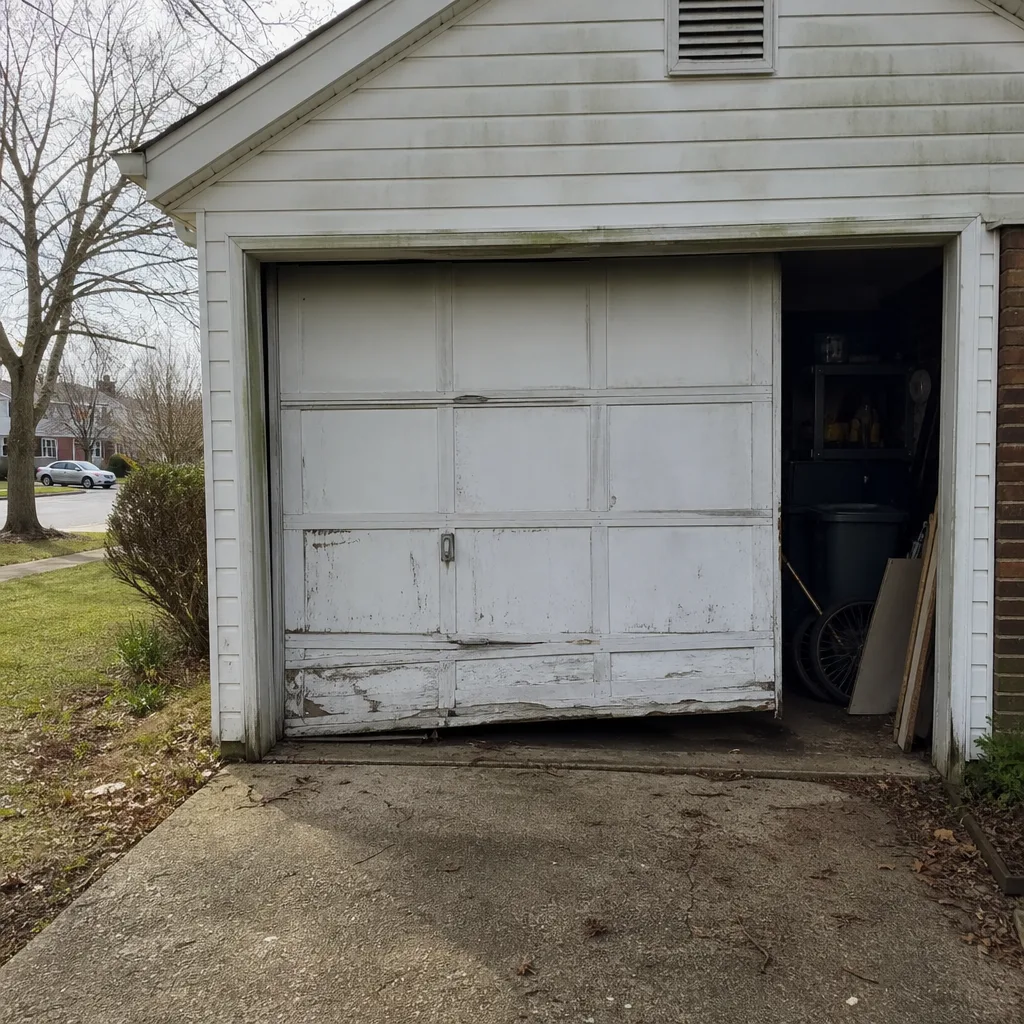 Before
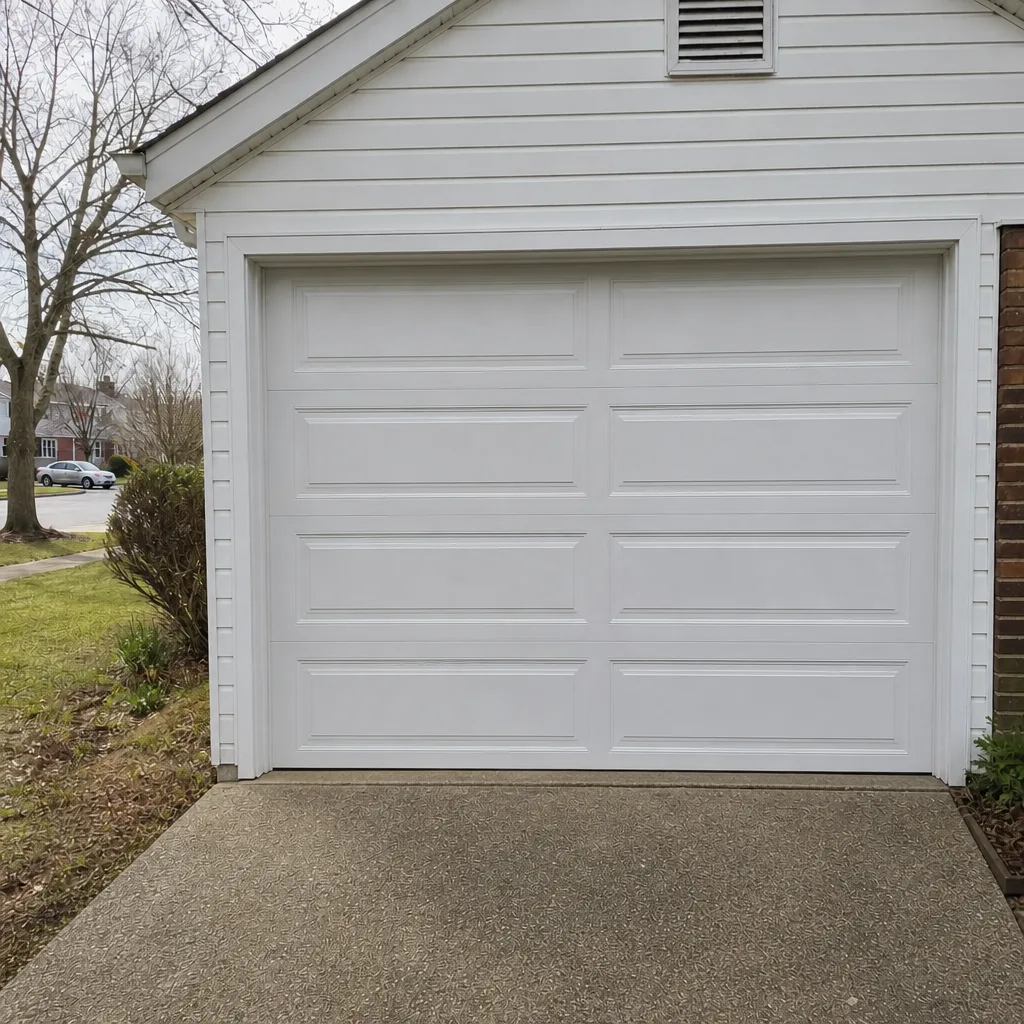 After
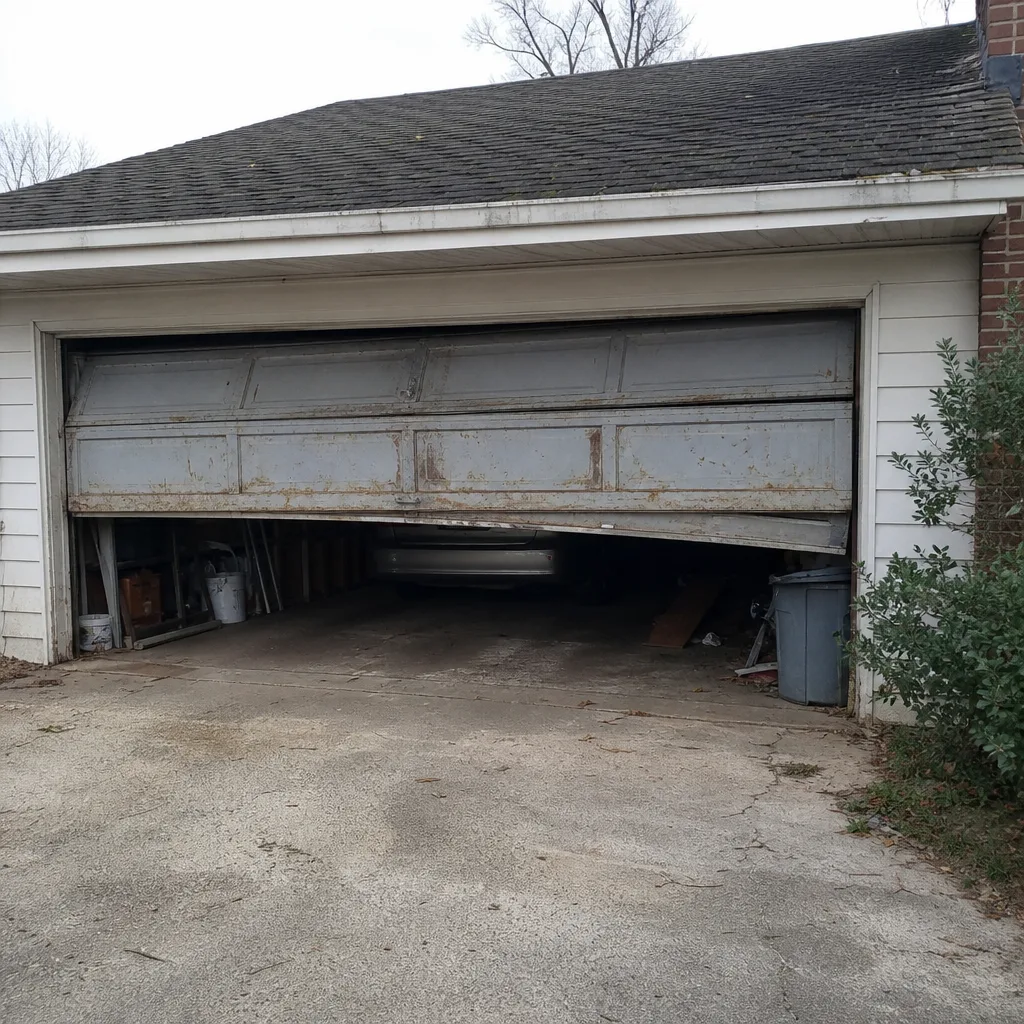 Before
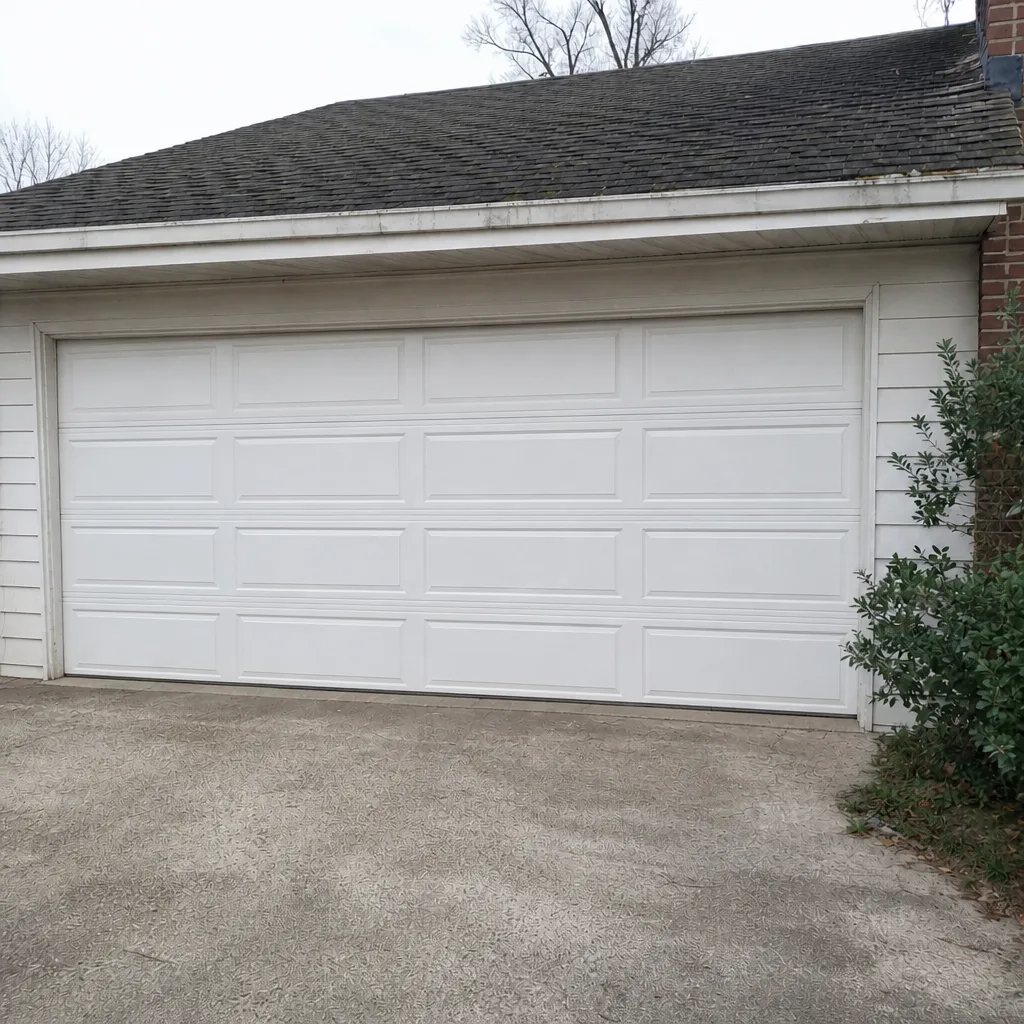 After
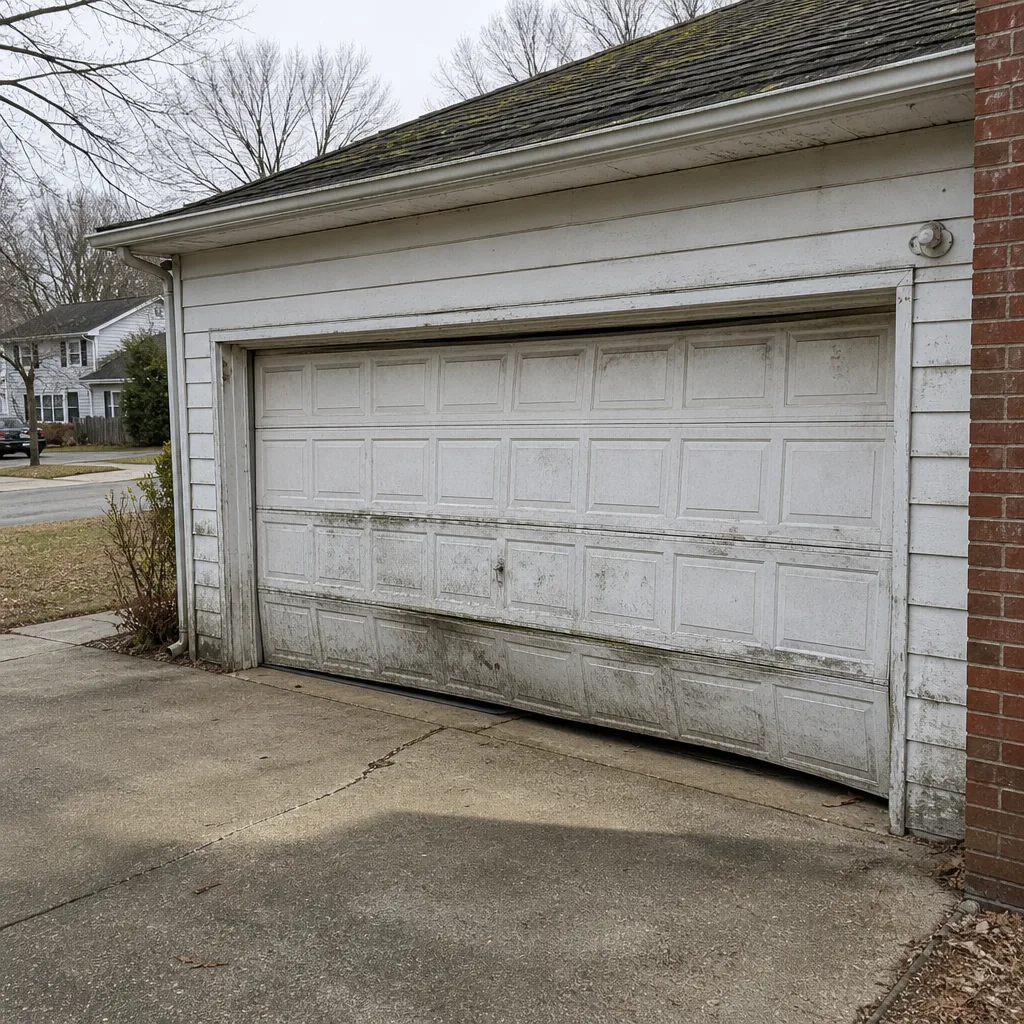 Before
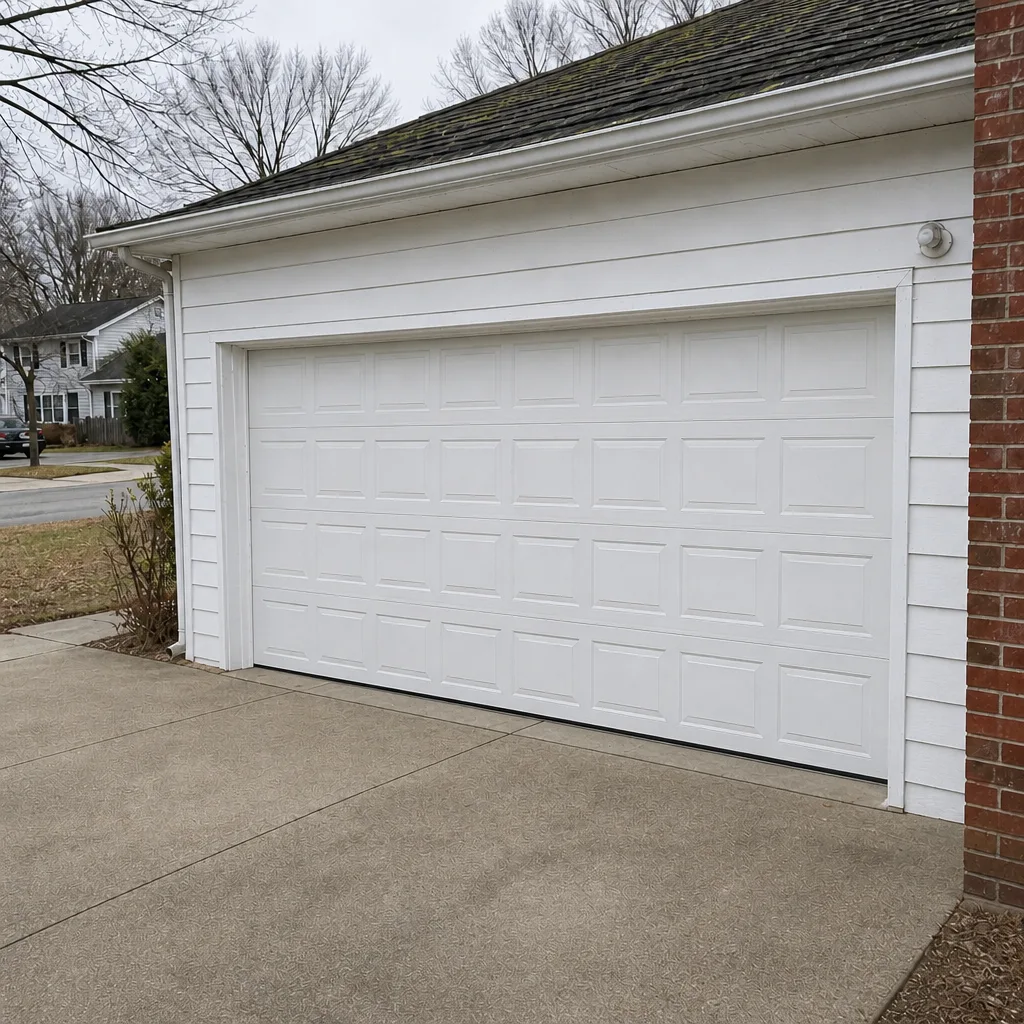 After
When to Call a Professional
Call a garage door technician when you see or hear any of the following: a door that won’t lift smoothly, a spring that’s visibly damaged or rusted, a cable that’s fraying or slack, a door off its tracks, an opener that runs but won’t lift the door, a door that reverses before closing, or a panel that’s visibly bent. These are all situations where the door is under tension and the safe fix is a trained hand.
Don’t call a professional for a dead remote battery or a sensor blocked by a bike. For everything else, call Dayspring. We work on LiftMaster, Chamberlain, Genie, Clopay, Amarr, Wayne Dalton, Craftsman, and Raynor systems, so you never need to know who installed your door. Dayspring Garage Door Repair offers free estimates in Hampton. Call (866) 942-6044. We answer 24/7. Fast dispatch from 7am to 7pm, Sunday through Friday, and we’re closed Saturday. A call outside dispatch hours is booked into the next opening.
Frequently Asked Questions
Check whether the opener has power and whether the door moves freely by hand. If the door is stubbornly heavy or doesn’t move at all, the issue is usually a spring or a cable, not the opener. Stop forcing it, keep people clear, and call for service. We answer 24/7 at (866) 942-6044.
Yes, if the door is balanced and the springs are intact. Pull the release cord, then lift the door smoothly by hand. If the door feels heavy or won’t lift easily, the springs are likely compromised and it isn’t safe to operate by hand. In that case, call us.
Use the sliding interior lock bar, a deadlock-style exterior lock, or a padlock through the track on a door that’s not powered. If you can’t reach a working lock from inside, the garage should be treated as unsecured. The right fix is to have a working manual locking system on the door long before the storm.
No. A garage door spring is under extreme tension and can cause serious injury if released or cut incorrectly. This is a job for a trained technician with the proper tools and spring-winding equipment. Call Dayspring; our technicians have up to 11 years of experience with both standard and high-cycle springs.
Stop using the door immediately and keep everyone clear. Do not attempt to force it back onto the track: that’s when panels fall. Call for service; a door off the tracks is typically secured or fixed on the same visit. Fast dispatch from 7am to 7pm, Sunday through Friday.
Yes. The main preparation is to service the door and opener before the season, keep a working manual release, and know how to lock the door from the outside if the power goes out. Photograph the door and opener for insurance before a storm. If a storm damages the door after it passes, call us and we’ll assess what repair or replacement is needed.
Most opener repairs can be handled on the same visit, including motors, sensors, remotes, and keypads. We’re factory-familiar with LiftMaster, Chamberlain, Genie, and Raynor, so diagnosis and repair usually happen in one call. Call for an exact assessment; estimates are free.
The Bottom Line
Garage door emergencies in Hampton come in two kinds. Mechanical failures happen on ordinary days and need the right response: stop, secure the door, call. Storm-driven failures need preparation: a working release, a door that locks without power, and photographs taken before the season starts. Neither is handled well by improvisation. Build the prep kit, run the quarterly check, and save our number where you’ll find it fast. When the door does fail, the door is your home’s largest moving part and it deserves a trained technician, not a barricade. For Hampton homeowners, that call is one number.
Ready to get your garage door checked before the next emergency? Call Dayspring Garage Door Repair at (866) 942-6044 for a free estimate. We answer 24/7. Fast dispatch from 7am to 7pm, Sunday through Friday, closed Saturday. Whether it’s the door, the opener, or both, we work on your brand and get it right the first visit. Serving Hampton and the surrounding area, Dayspring is the multi-brand specialist you call when you need help fast.
Written by the team at Dayspring Garage Door Repair.