
Last updated November 14, 2026
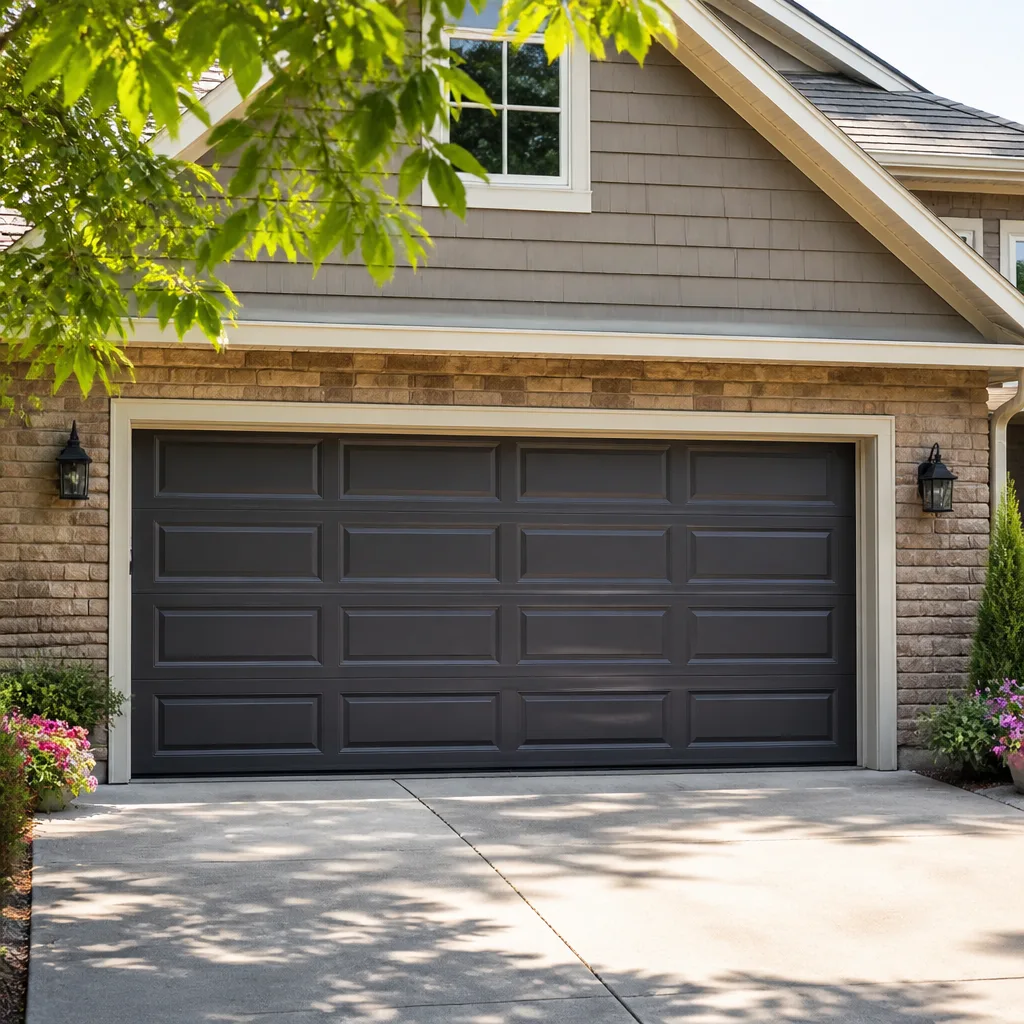 Raised-panel steel
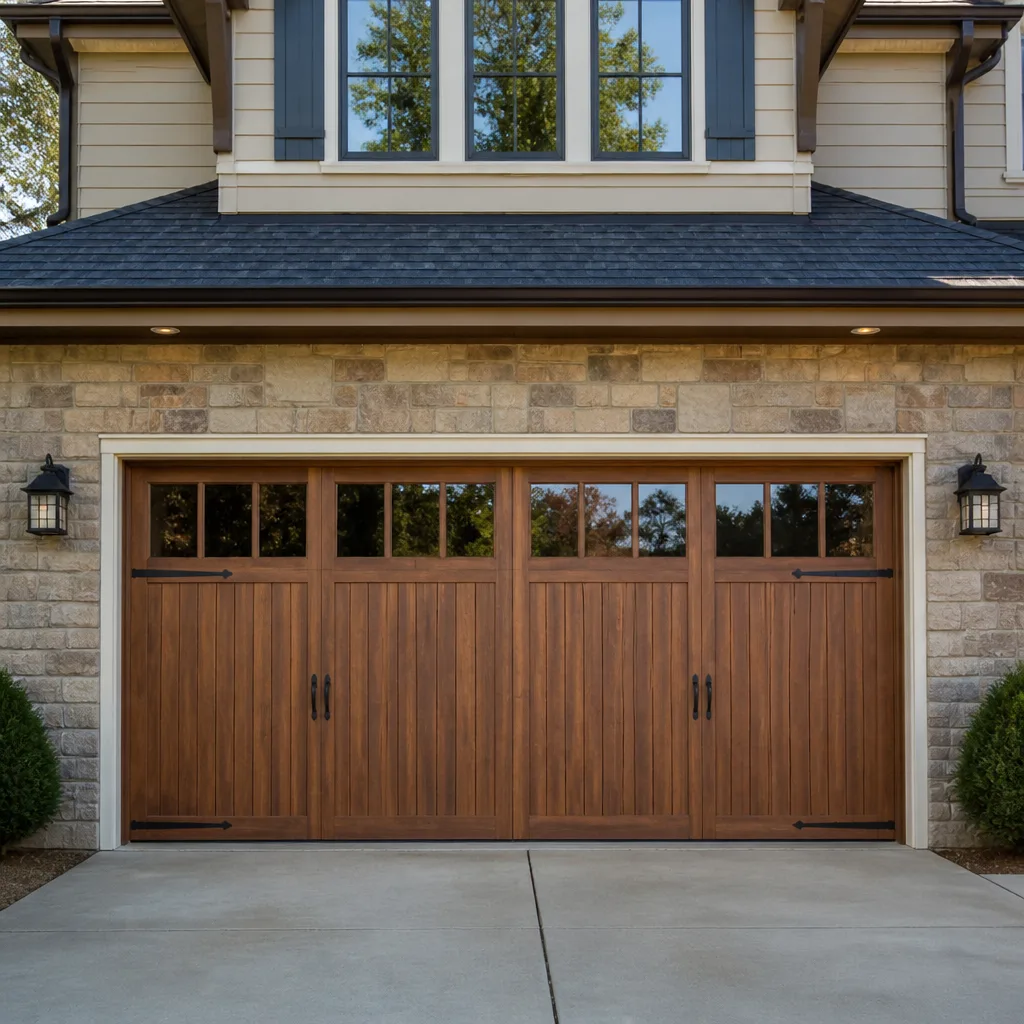 Carriage house
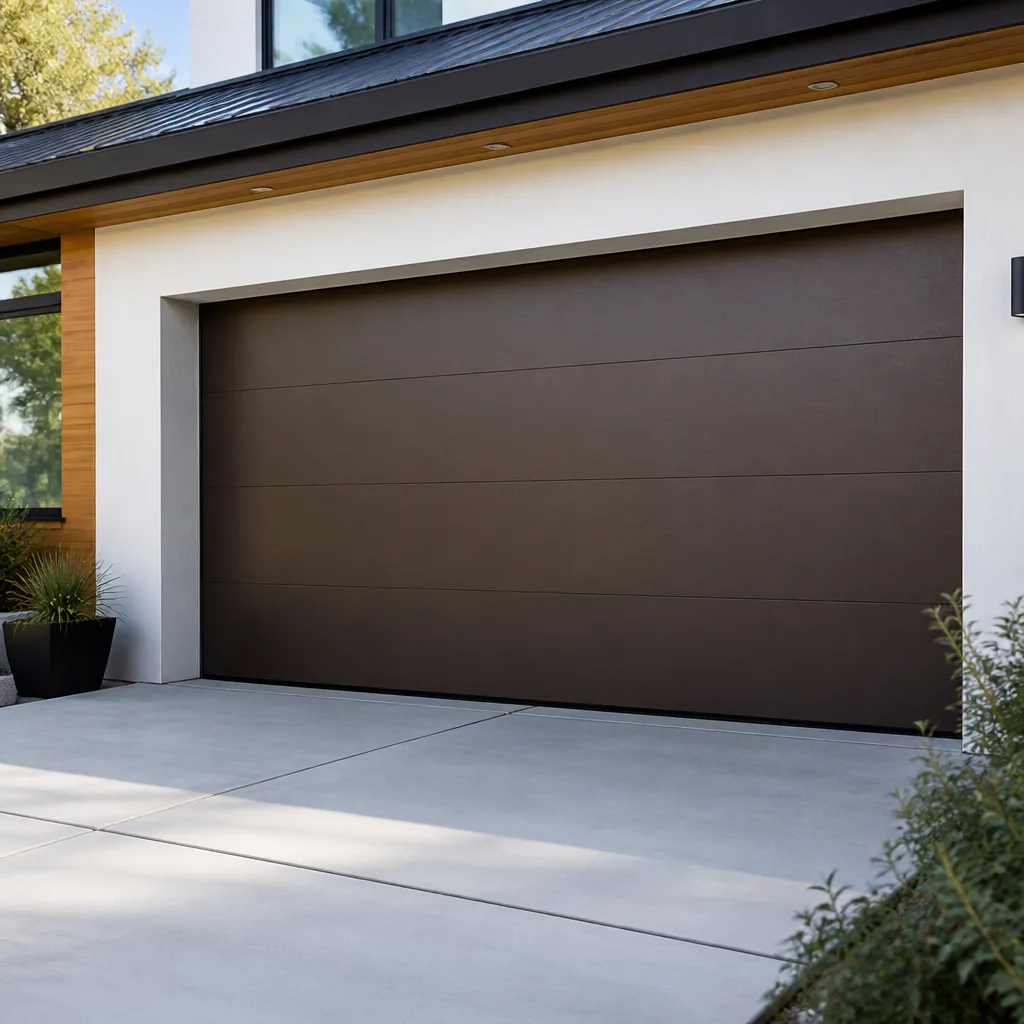 Modern flush
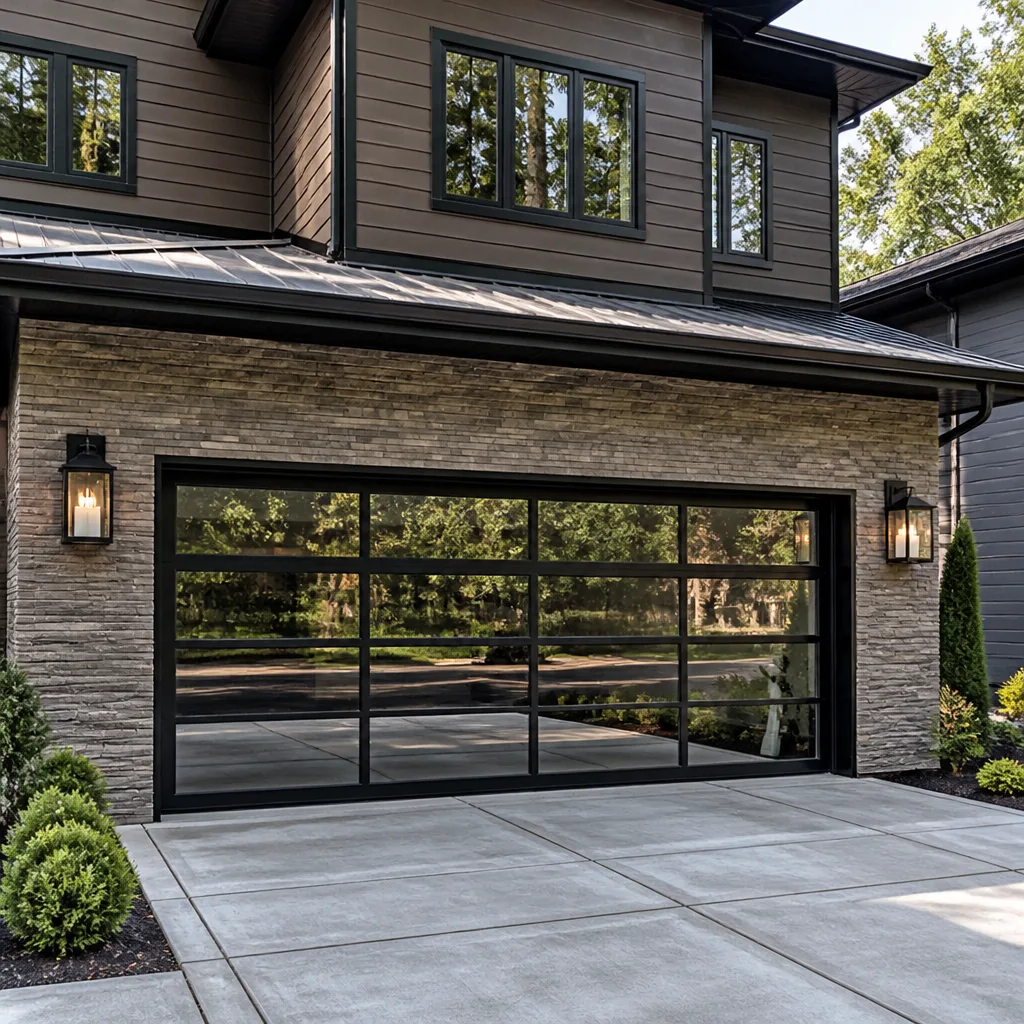 Full-view glass
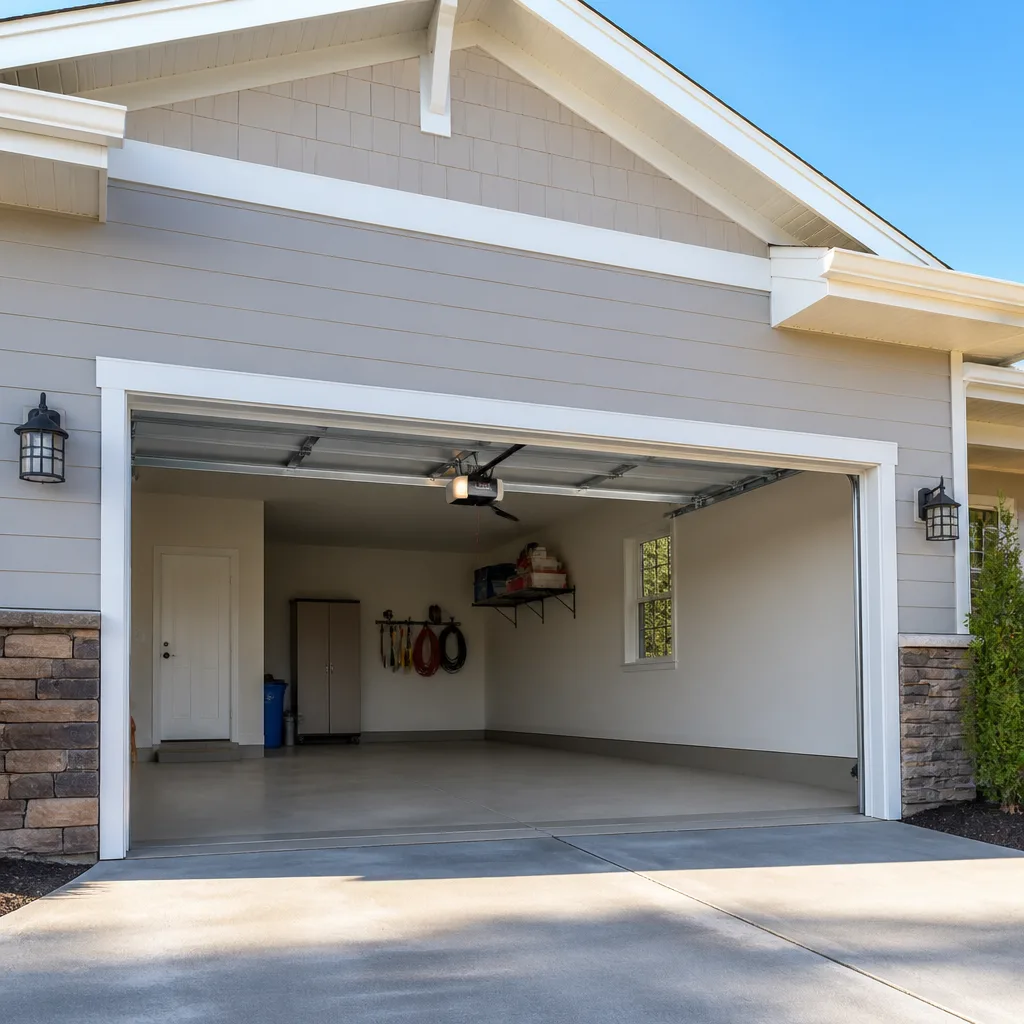 LiftMaster openers
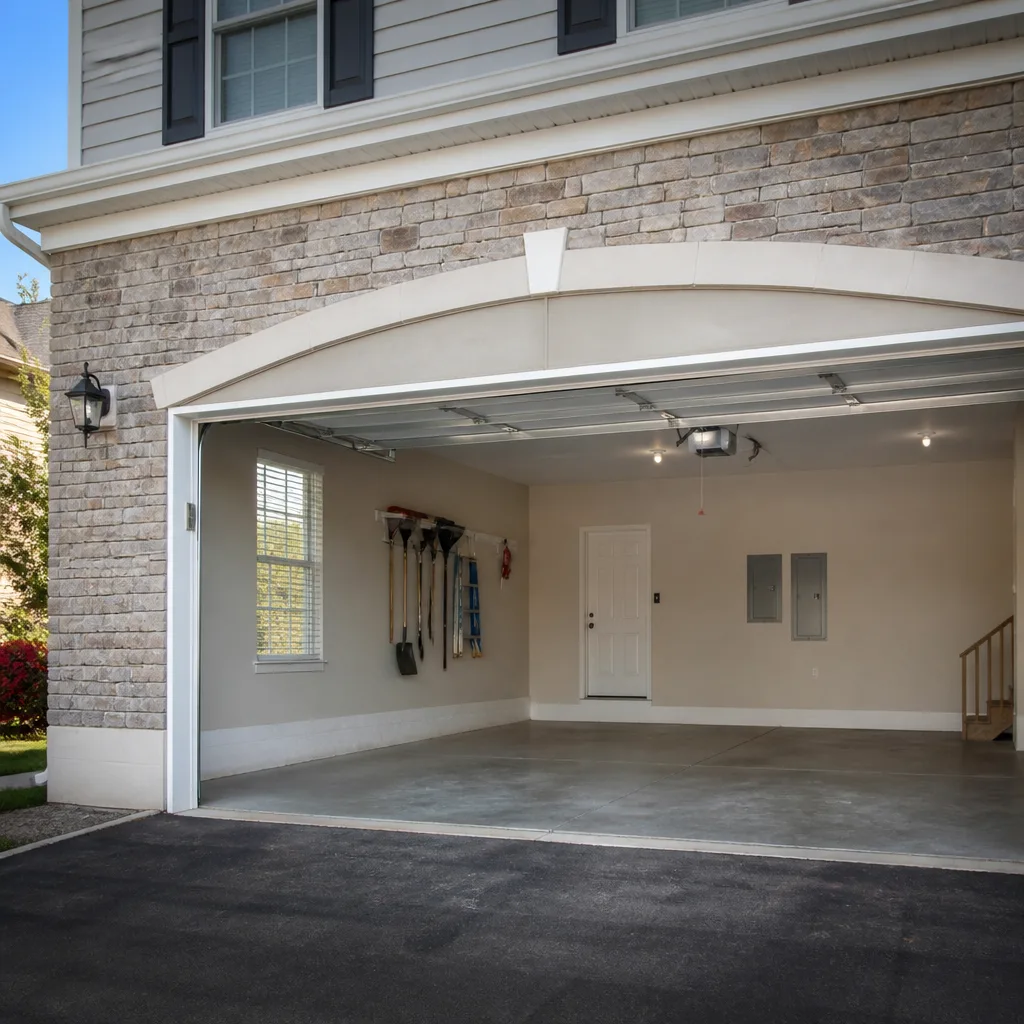 Chamberlain openers
Full 25-point door and opener safety check with every visit - springs, cables, rollers, tracks, and your LiftMaster or Chamberlain opener included
You get a price before we start. It does not change when the pro arrives.
Get your free estimateGarage Door Repair Maintenance Schedule: What to Do and When
Most maintenance guides tell you to lubricate your door once a year and call it a day. That advice was written for somewhere with mild, consistent weather, not for Hampton, where humidity climbs through the summer, temperatures swing in winter, and storms roll through Hampton Roads with real force. A garage door is your home’s largest moving part, and it works harder here than the generic checklist admits. What follows is a month-by-month calendar built around how doors actually wear in Hampton, plus the component lifespans, lubrication rules, and the 10-second test that tells you whether your springs are giving out before the door fails.
Quick Answer
In Hampton, a working garage door needs a quick balance check and visual inspection once a month, lubrication of springs, hinges, and rollers every four to six months, weather-seal and hardware checks before summer and before winter, and a full professional inspection once a year. Springs, cables, and openers last longest when they’re checked at these intervals, and small adjustments caught early are what keep a door from failing on a morning you need it most.
Styles & brands we work with
- Raised-panel steel
- Carriage house
- Modern flush
- Full-view glass
- LiftMaster openers
- Chamberlain openers
Table of Contents
- Why a Generic Annual Reminder Falls Short in Hampton
- The 10-Second Monthly Balance Test
- The Seasonal Calendar: What to Check and When
- Component Lifespan Benchmarks: Maintaining vs. Delaying
- Which Lubricants to Use (and Which Ones Damage Your Door)
- How to Log Your Maintenance So a Technician Can Diagnose Faster
- What a Professional Annual Inspection Covers
- When to Call a Professional
Why a Generic Annual Reminder Falls Short in Hampton
A garage door in Hampton lives a different life than one in a dry inland climate. The summers here are humid and long, and that moisture finds its way into hinges, rollers, and the joints of a sectional door. Metal that stays damp and dirty doesn’t just look tired; it stiffens, and a stiff door loads your springs and opener with extra work every single cycle.
Then winter arrives, temperatures drop, and the seals, lubricants, and metal clearances that felt fine in August start to bind. That seasonal push and pull is why a once-a-year reminder isn’t enough. The door doesn’t wear evenly through the year. It wears fastest in the transitions, when humidity peaks and when the cold settles in.
We also see how housing shapes the work here. Many Hampton homes have attached garages that act as the main entry point, so the door cycles several times a day rather than a couple. More cycles mean faster wear on springs, rollers, and the opener’s drive system. A door used as a front door deserves a schedule built for the way it’s used. If something already feels off, a garage door repair visit can sort it out, but catching it on a calendar saves far more.
What follows is a real calendar, not a suggestion. It tells you what to look at each month, what to check as the seasons turn, and which parts you’re maintaining versus delaying an inevitable replacement of. If you’d rather start with who we are and how we work, that’s on the Dayspring Garage Door Repair page.
The 10-Second Monthly Balance Test
This is the single most useful habit in this guide. Springs are what carry the weight of your door, and when they lose tension the opener absorbs the load, which shortens its life and makes the door feel heavy. The balance test tells you how the springs are doing without any tools.
- Close the door fully and pull the opener’s release cord so the door runs by hand.
- Lift the door about halfway up and let go gently, keeping your hands clear.
- Watch what it does. A healthy door holds roughly where you left it, floating in place.
- If it drifts down on its own, or feels heavy pulling up, the springs are losing tension.
- Reengage the opener and note what you saw.
That’s it. Ten seconds, once a month. A door that sinks under its own weight is telling you the springs are tired, and that’s exactly the condition that leads to a loud failure at the worst time. Do this test on the same day each month so it becomes routine.
Springs and cables: hands off
Now the safety part, and we mean it. Garage door springs and cables are under extreme tension, and a spring or cable that lets go can cause serious injury. Never try to adjust, loosen, or replace a torsion spring or cable yourself, and never put your fingers near them to “check” how tight they are. The balance test above is safe because you’re observing the door, not the hardware. Anything past observation is a job for a trained technician. If the door sinks every month or won’t stay up at all, that’s a call, not a project.
The Seasonal Calendar: What to Check and When
This is the core of the schedule, built around how Hampton weather actually moves through the year. Each season has a focus, and each one catches the failures that flare up as conditions change.
Spring: before the humid summer builds
Late spring is your window to prep for the months ahead. Run the balance test. Wipe down hinges and rollers and apply the correct lubricant (more on that below). Check the weather seal along the bottom and the sides; if it’s cracked or stiff, humid air and rain get in. Look at the opener’s safety sensors and clear the tracks of grit. This is the tune-up that carries the door through summer.
Summer: when humidity peaks
Hampton summers are humid, and humidity is hard on metal and wood alike. Watch for stiff operation, squeaks, and rust on hinges. Keep the tracks clean and dry. Listen to the opener: if it sounds like it’s straining, the door is binding somewhere, and humidity is often a factor. Mid-summer is also when a lot of opener and remote problems show up, so if the garage door opener repair signs are familiar, don’t wait for fall.
Fall: before the cold sets in
Before temperatures drop, recheck the balance and re-lubricate the moving parts so the door isn’t fighting cold-stiffened grease. Inspect the weather seal again; a seal that survived summer rain may have hardened. Test the auto-reverse and safety sensors, since colder weather tightens clearances and a small binding can become a stall.
Winter: cold-start checks
Cold weather makes everything a little stiffer. Listen for new sounds on the first cycles of a cold morning. If the door hesitates at the start, don’t force it repeatedly; that’s binding or weak springs telling you to look. Keep the tracks clear and watch the seal for hardening.
After storms
After a major storm, walk around the door and look for bent tracks, misaligned panels, and debris in the path. Run the balance test and the safety reverse test. If a panel is bent or a track is knocked out of line, that’s a technician’s job, not a hammer-and-pliers fix. Storm-damaged hardware is one of the reasons we work on so many different systems here in Hampton, and it’s why we can service whatever brand is on the door.
Component Lifespan Benchmarks: Maintaining vs. Delaying
Maintenance and replacement are two different jobs, and knowing the difference saves you money and frustration. When a part is near the end of its working life, every adjustment is really just buying a little more time before it fails. Here are the benchmarks we work from, based on typical use, so you know which side of the line you’re on.
- Springs: Torsion and extension springs carry the most load and have the shortest working life. With heavy daily use, they’re the first major component to reach the replacement decision. If springs have been adjusted repeatedly, or the balance test keeps failing, you’re maintaining past the point of return.
- Rollers: Rollers wear down and flatten over years of cycling, and worn rollers make the door noisy and uneven. Replacing them is a genuine upgrade that reduces wear on everything else.
- Cables: Cables fray and stretch. Frayed cables are a safety issue, not a maintenance item, and need a professional look right away. Never handle a frayed cable yourself.
- Weather seals: Seals harden and crack in the sun and humid air. When a seal stops conforming to the floor, it’s done; it’s sealing out water and pests less each season.
- Openers: A motor that’s straining to lift a heavy door dies sooner. Keeping the door balanced is the best thing you can do for the life of a LiftMaster, Chamberlain, or Genie opener.
The point is simple: if a component has reached the end of its life, plan the replacement rather than routine-adjusting it forever. That’s the difference between maintaining a door and delaying a failure.
Which Lubricants to Use (and Which Ones Damage Your Door)
The right lubricant keeps a door smooth and quiet. The wrong one attracts dirt, gums up in the cold, or slowly wears components. This is one place where the “any grease will do” habit causes real harm, so here’s a plain breakdown.
Use these on the right parts
- White lithium grease or a silicone-based garage door lubricant on hinges, rollers, and the torsion spring, applied sparingly. These are made for the job and resist washing off.
- Silicone spray on weather seals to keep rubber flexible and on the bottom seal where it meets the floor.
- A dry lubricant in the tracks is safer than a wet one, but honestly, keep the tracks clean rather than greasing them.
Avoid these
- WD-40 as a lubricant. It’s a solvent, not a lasting lubricant. It cleans and displaces moisture, then leaves parts dry, and it washes off in humid Hampton air. It can also strip the protective film from parts.
- General-purpose grease. It’s too thick for garage door components, attracts grit that grinds into hinges and rollers, and stiffens in the cold, making your door harder to move in winter.
- Heavy oil or cooking oil. Both attract dirt and leave a mess that holds moisture against metal.
Apply a thin coat, not a glob. Excess lubricant collects dust and grime, and in humid weather that turns into a gritty paste. A little goes a long way, and the right product lasts through the season.
How to Log Your Maintenance So a Technician Can Diagnose Faster
Most homeowners never write anything down, and that’s a missed opportunity. A simple log turns a vague “it’s been acting up” into a real history that lets a technician find the problem faster and avoid guessing. Here’s what to record after each inspection, and why each detail matters.
- The date and what you did. Note the check or lubrication, so future problems can be traced to a timeframe.
- The balance test result. Did the door hold, drift, or sink? A trend over months tells us whether springs are degrading slowly or suddenly.
- Any new sounds. “Clunking on the way down” or “squeaking at the top” points us straight to the part.
- Opener behavior. Remote range, delay, straining sound, or a sensor that needed adjusting. Brand helps too: knowing you have a Chamberlain or LiftMaster system saves a step.
- Weather-seal condition. Cracked, stiff, or separating, and where.
- Any binding or uneven travel. Note which side, and at what point in the cycle.
- Dates of any professional visits. What was adjusted or replaced, and when.
This is the kind of detail that lets a technician identify the system and work with it, whether it’s a LiftMaster, Chamberlain, Genie, or Clopay door, rather than starting cold. A five-minute log is worth more than a vague memory every time.
What a Professional Annual Inspection Covers
An annual professional inspection catches the things you can’t safely reach or assess yourself. It isn’t just a look-over; it’s a check of the parts that fail silently, and it’s how you turn maintenance from a guess into a plan. Here’s what a thorough inspection covers.
- Springs and cables inspected for tension and wear. This is the safety-critical part, and it’s why you leave it to a technician. We check the springs, cables, and attachment points for signs they’re near the end of their life.
- Balance and force testing. The door’s weight and the opener’s force settings are checked so the opener isn’t overworked.
- Track and roller alignment. Tracks are checked for bends and rollers for flat spots and wear.
- Safety reverse and sensor testing. The auto-reverse and safety sensors are tested to confirm they work as they should.
- Weather seal and hardware. Seals, hinges, and fasteners are checked and tightened or flagged for replacement.
- Opener assessment. The motor, drive, remotes, and safety sensors are checked, and the system is evaluated for when it’s likely to need service.
Because we work on LiftMaster, Chamberlain, Genie, Clopay, Amarr, Wayne Dalton, Craftsman, and Raynor systems, the inspection fits the actual system on your door. Whether it’s the door, the opener, or both, it’s one visit and one report.
Common Mistakes to Avoid
- Spraying WD-40 on everything. It’s a solvent, not a lasting lubricant, and it leaves hinges, rollers, and springs dry and vulnerable in Hampton humidity. Use a proper garage door lubricant instead.
- Walloping a binding door with general-purpose grease. Thick grease attracts grit and stiffens in cold weather, making the problem worse. Use the right product, in a thin coat.
- Adjusting or touching your own springs. Springs are under extreme tension, and the balance test is where your DIY involvement should stop. Never touch a spring or cable to “check” it.
- Forcing a stiff door through the winter. If the door hesitates on a cold morning, that’s binding or weak springs telling you to look, not a sign to press the button again.
- Skipping the seal check. A cracked seal lets humid air and rain into the garage, and it’s easy to ignore until it’s hardened and separating.
- Ignoring a slow drift in the balance test. A door that sinks a little each month is degrading, and catching the trend early is far cheaper than a spring failure.
- Never writing anything down. A maintenance log turns a vague complaint into a diagnosis that saves time on the next visit.
See the difference
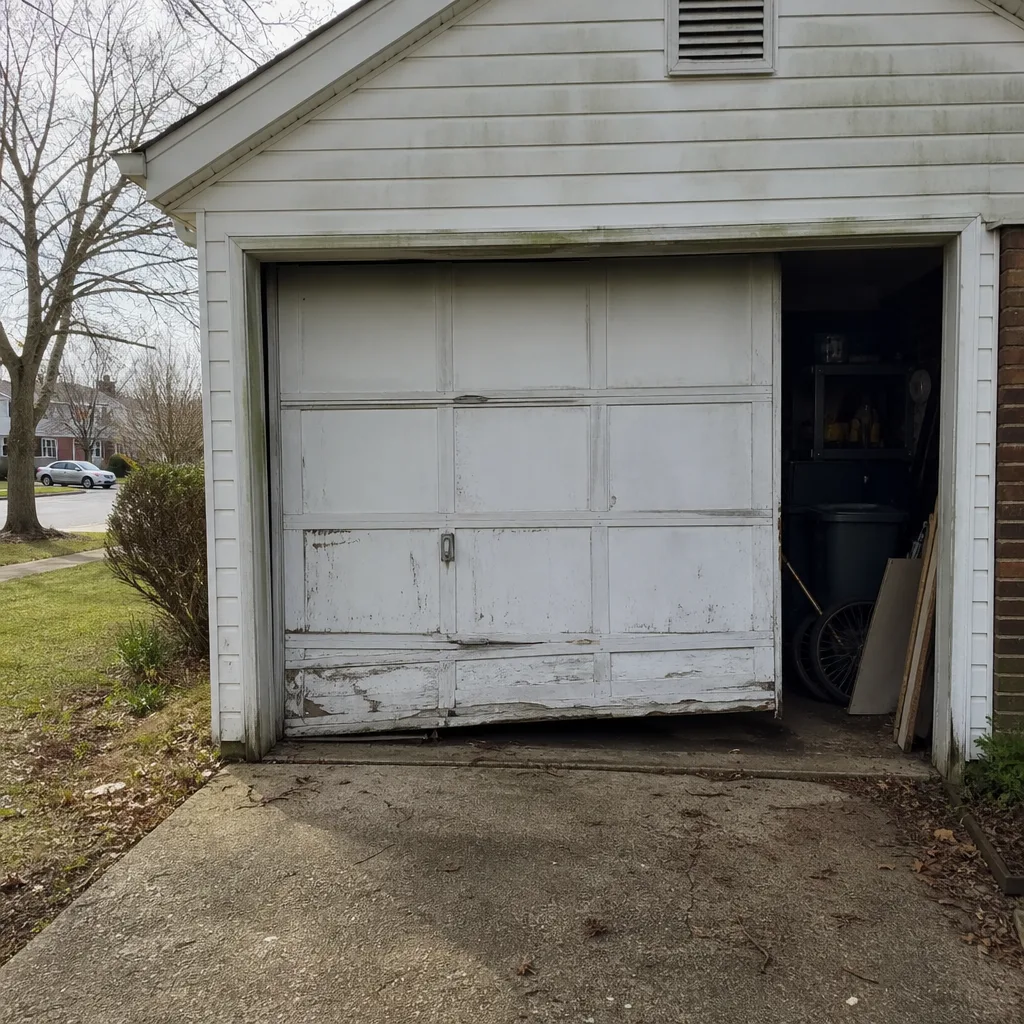 Before
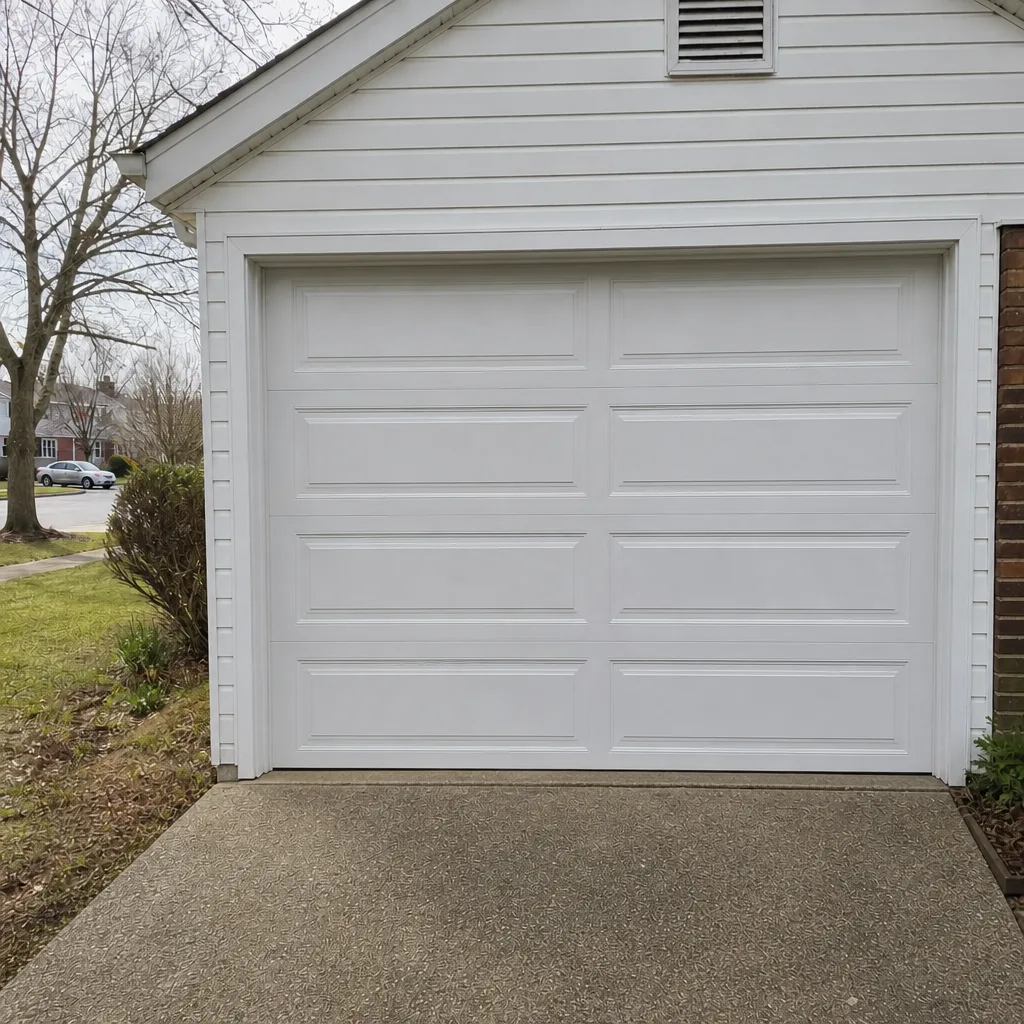 After
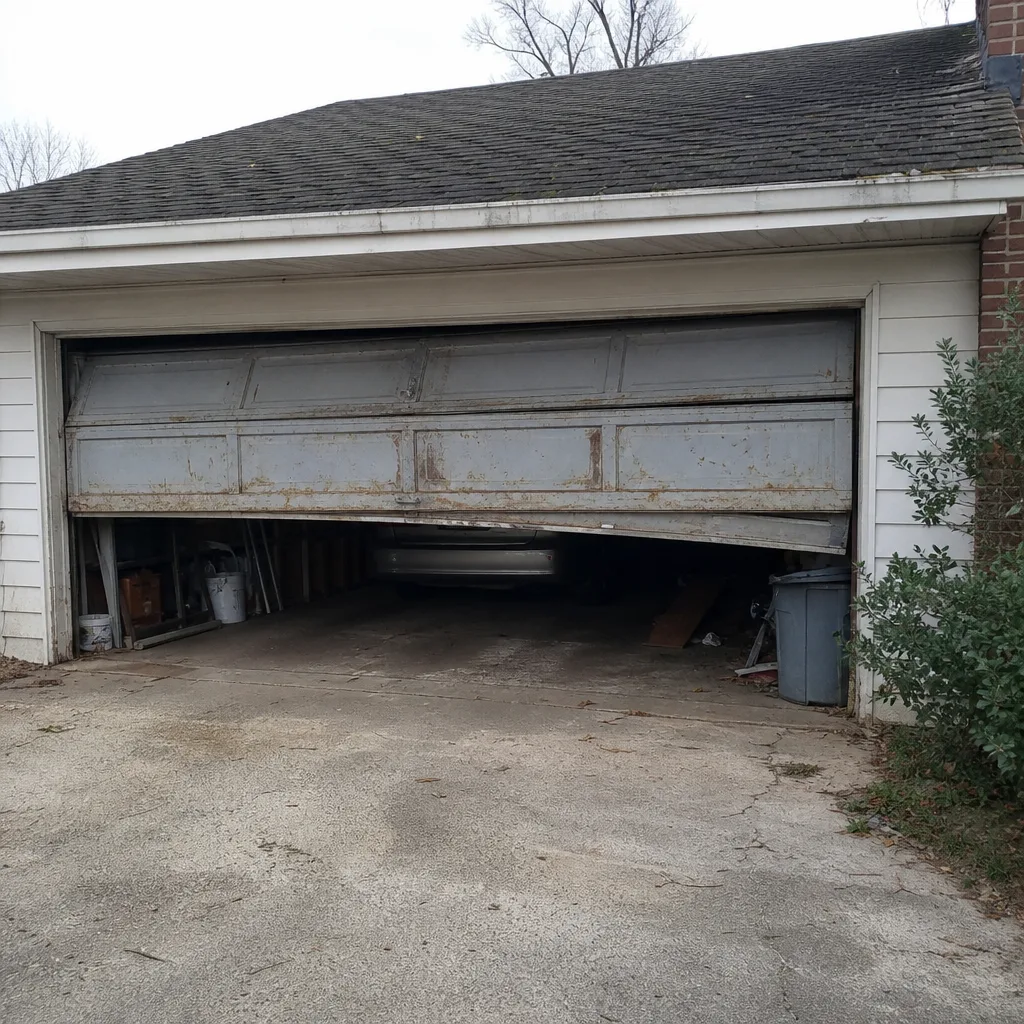 Before
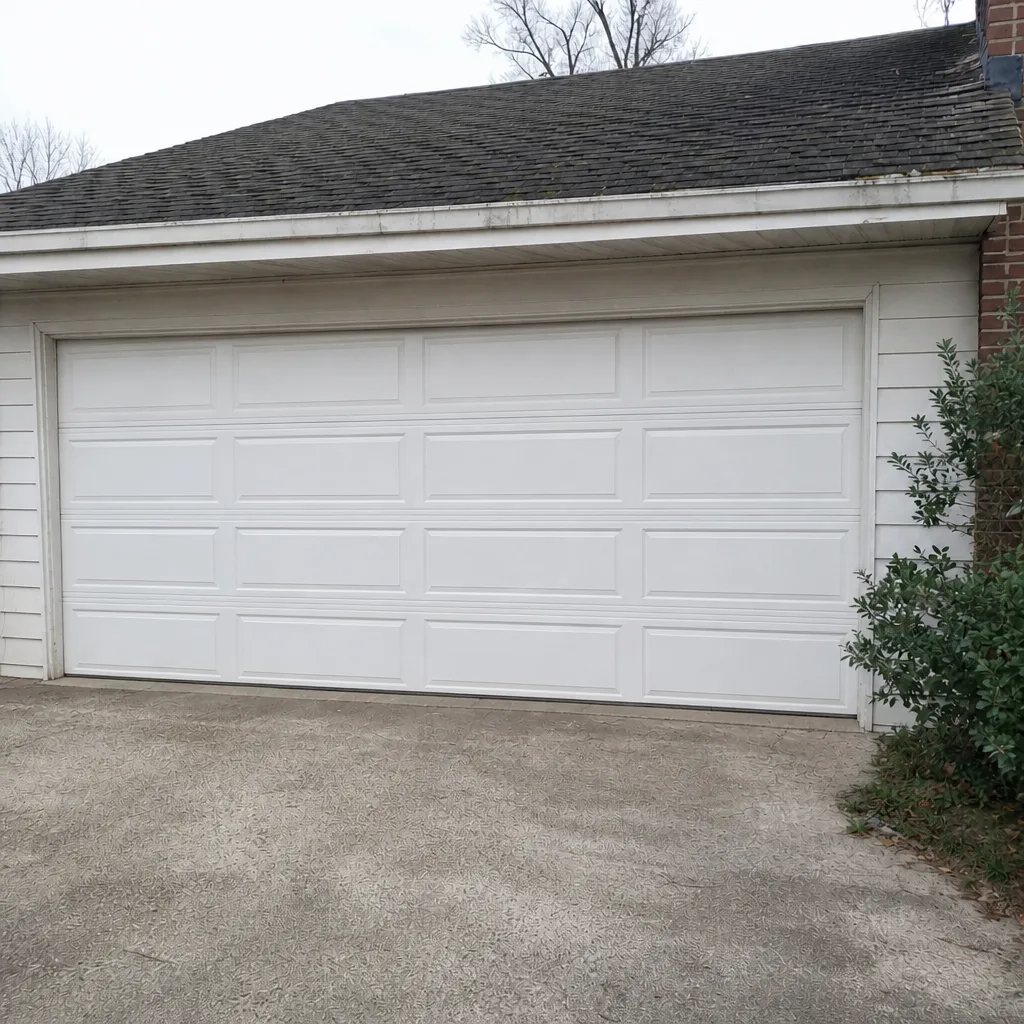 After
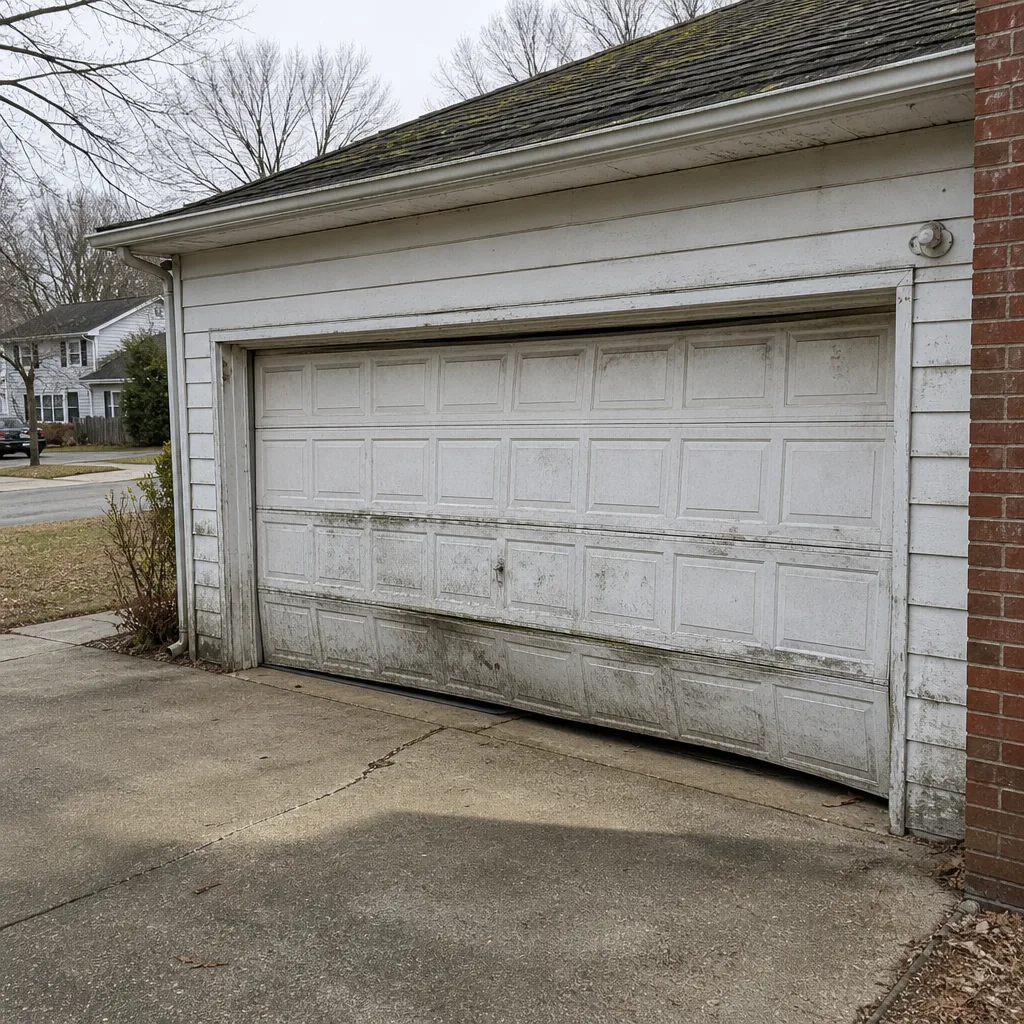 Before
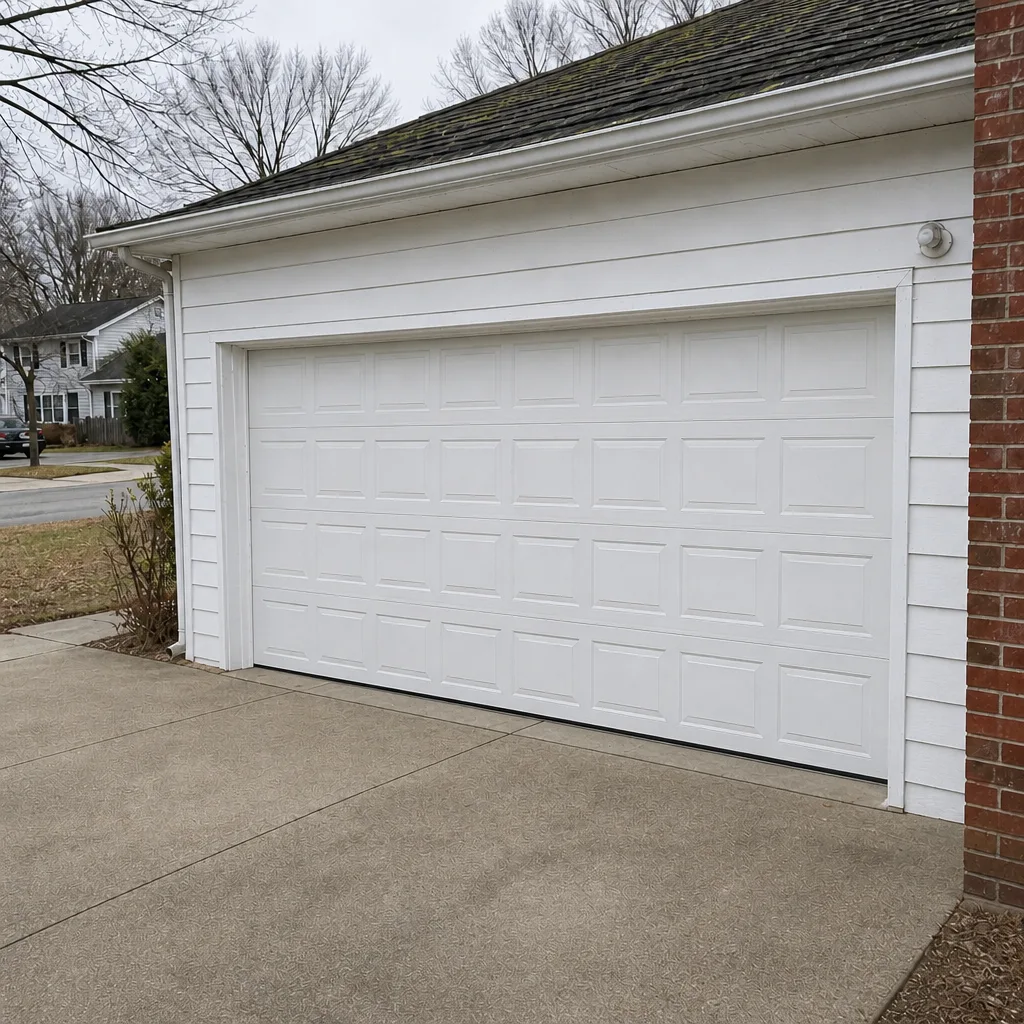 After
When to Call a Professional
Some work is routine, and some is a call. Call a professional when the balance test fails, when the door feels heavy or won’t stay up, when you see a frayed cable or a bent track, when the opener strains or reverses on its own, when a panel is bent after a storm, or when you simply want a full annual inspection that covers the safety-critical parts. Those are the situations where a trained eye finds the cause instead of guessing, and where working on springs, cables, and opener systems is done safely.
Dayspring Garage Door Repair offers free estimates in Hampton. We work on the full system, whether it’s the door, the opener, or both, and we identify your brand’s actual hardware rather than treating it as a generic stand-in. Our technicians have up to 11 years of experience across eight of the most widely installed brands. Call (866) 942-6044. We answer 24/7. Fast dispatch from 7am to 7pm, Sunday through Friday. We’re closed Saturday.
Frequently Asked Questions
Every four to six months is the right rhythm in Hampton, and it’s smart to hit it before summer humidity builds and again before winter. Use a garage door or white lithium lubricant on hinges, rollers, and the spring, in a thin coat. Too much attracts grit, so apply sparingly. Call (866) 942-6044 for an exact quote on a professional tune-up; estimates are free.
It tells you whether your springs still carry the door’s weight. Disconnect the opener, lift the door halfway, and let go. A healthy door floats in place; one that drifts down has springs losing tension. If it drifts, that’s a reason to call, not to adjust the springs yourself. Call (866) 942-6044 to book a look; estimates are free.
No. WD-40 is a solvent, not a lasting lubricant, and it strips away the protection your hinges and rollers need, then washes off in humid weather. Use a proper garage door lubricant instead. If you’re not sure what’s on the door, call (866) 942-6044 and we’ll explain what to use; estimates are free.
Torsion and extension springs carry the most load and reach the replacement decision before other major components, especially on doors used several times a day. When the balance test keeps failing or springs have been adjusted repeatedly, you’re maintaining past the point of return rather than getting value from routine work. A technician can tell you where yours stand. Call (866) 942-6044 for a free estimate.
We work on LiftMaster, Chamberlain, Genie, Clopay, Amarr, Wayne Dalton, Craftsman, and Raynor systems, so you don’t need to know which brand your door or opener is. We identify the system and work with it. For a full-system look at the door, the opener, or both, call (866) 942-6044; estimates are free.
If the same part keeps failing or has passed its working life, replacement is usually the better value than repeated adjustments. If the only issue is routine wear, maintenance keeps the door working every morning. A free estimate tells you which side of that line your door is on. Call (866) 942-6044.
The Bottom Line
A garage door maintenance schedule works when it’s built for the climate and the way you use the door. In Hampton, that means a monthly balance check, lubrication every four to six months, checks before the humid summer and before the cold, and a full professional inspection once a year. Use the right lubricants, skip WD-40 and thick grease, and log what you find so a technician can diagnose faster. Know which components you’re maintaining and which are past their working life. Do the routine checks yourself, and leave springs, cables, and opener internals to a professional. That’s how you keep a door that works every morning.
Call (866) 942-6044 for a free estimate. We answer 24/7. Fast dispatch from 7am to 7pm, Sunday through Friday. We’re closed Saturday.
Written by the team at Dayspring Garage Door Repair.