
Last updated November 14, 2026
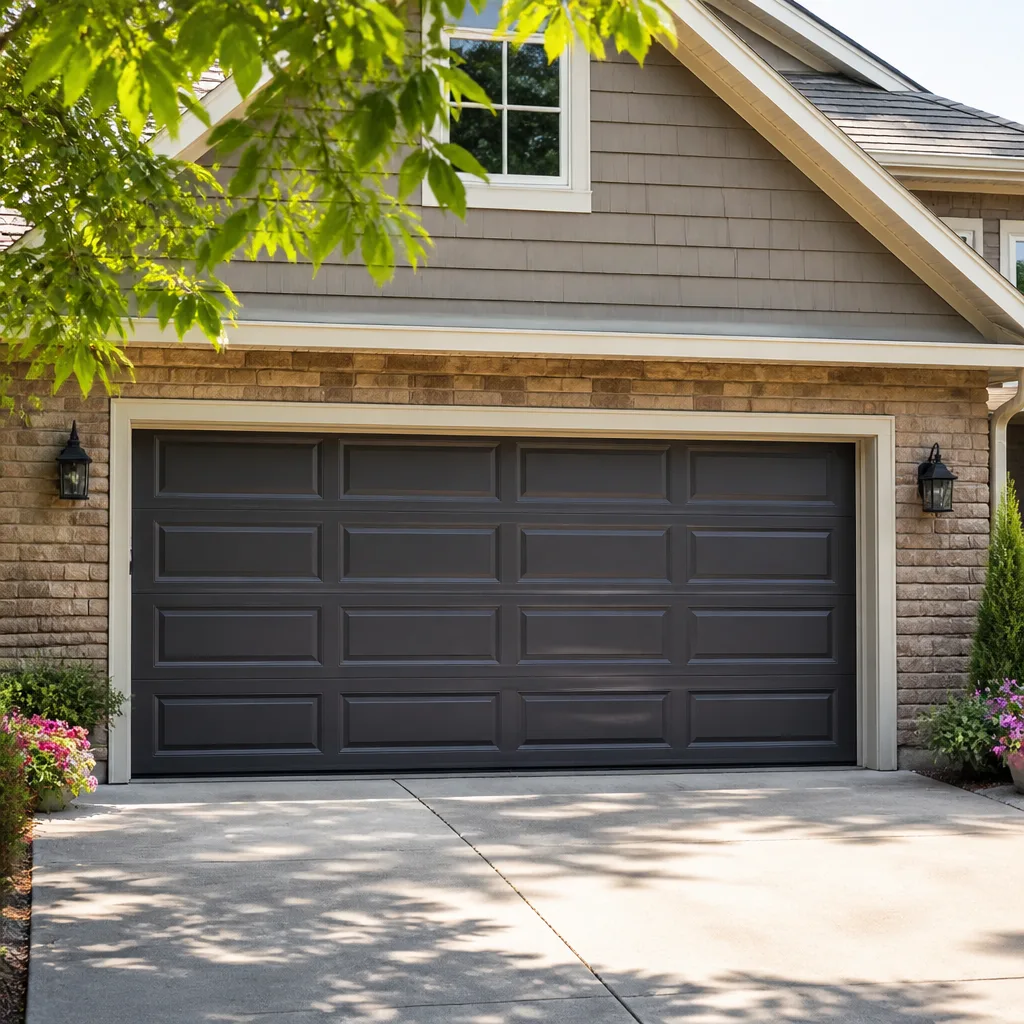 Raised-panel steel
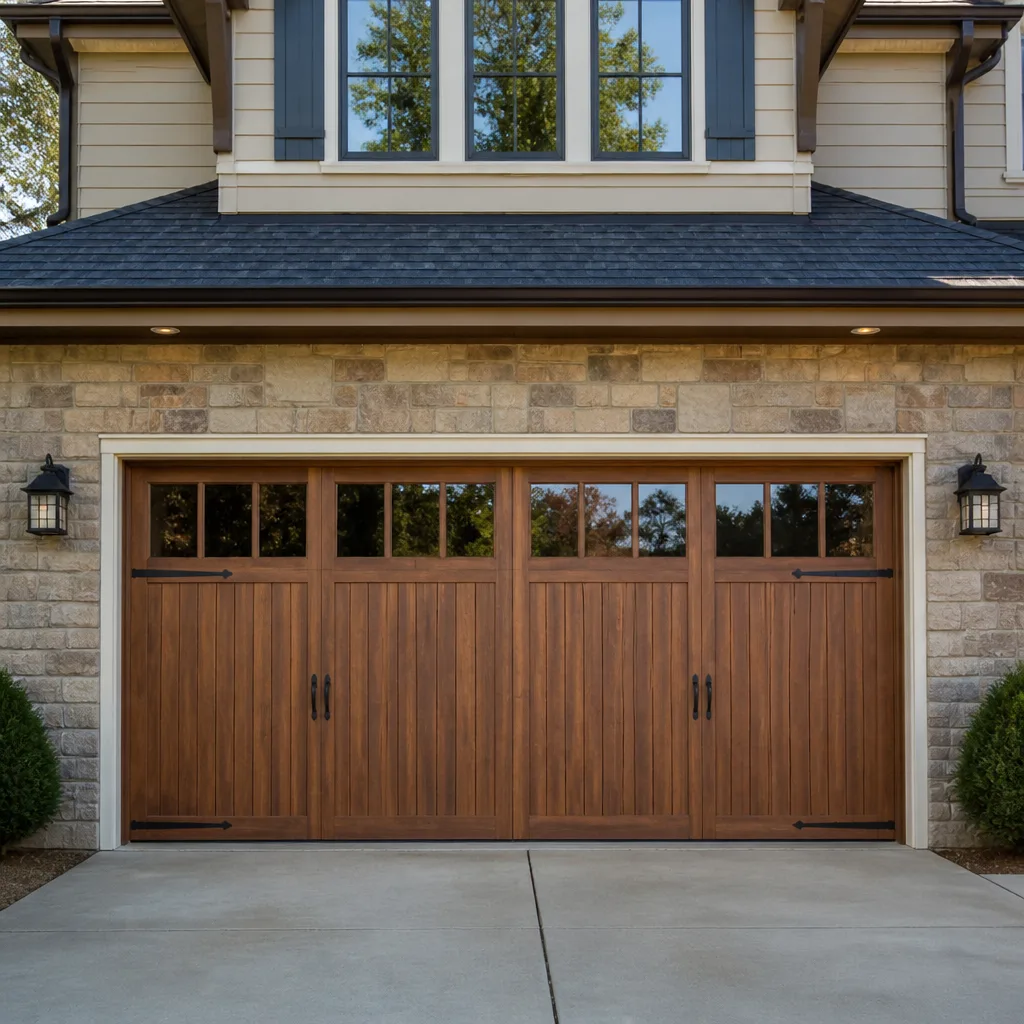 Carriage house
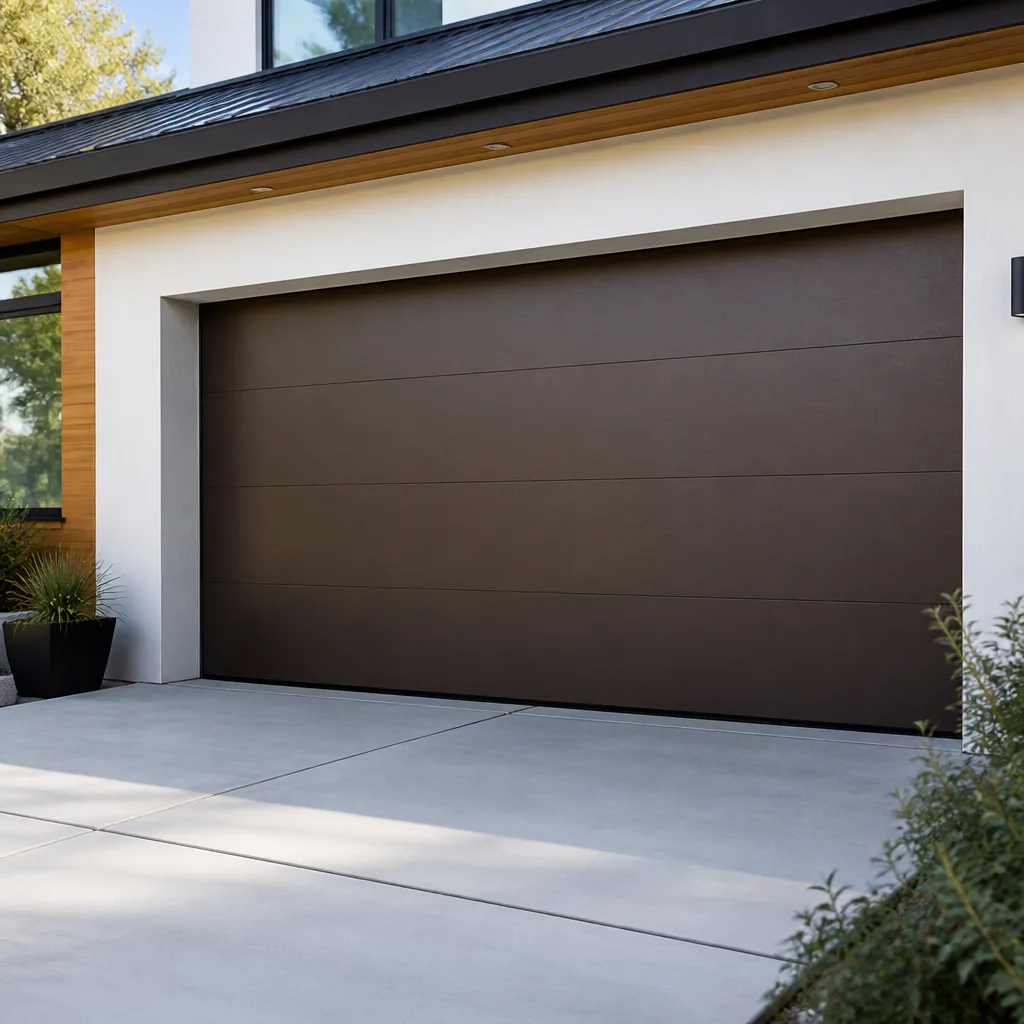 Modern flush
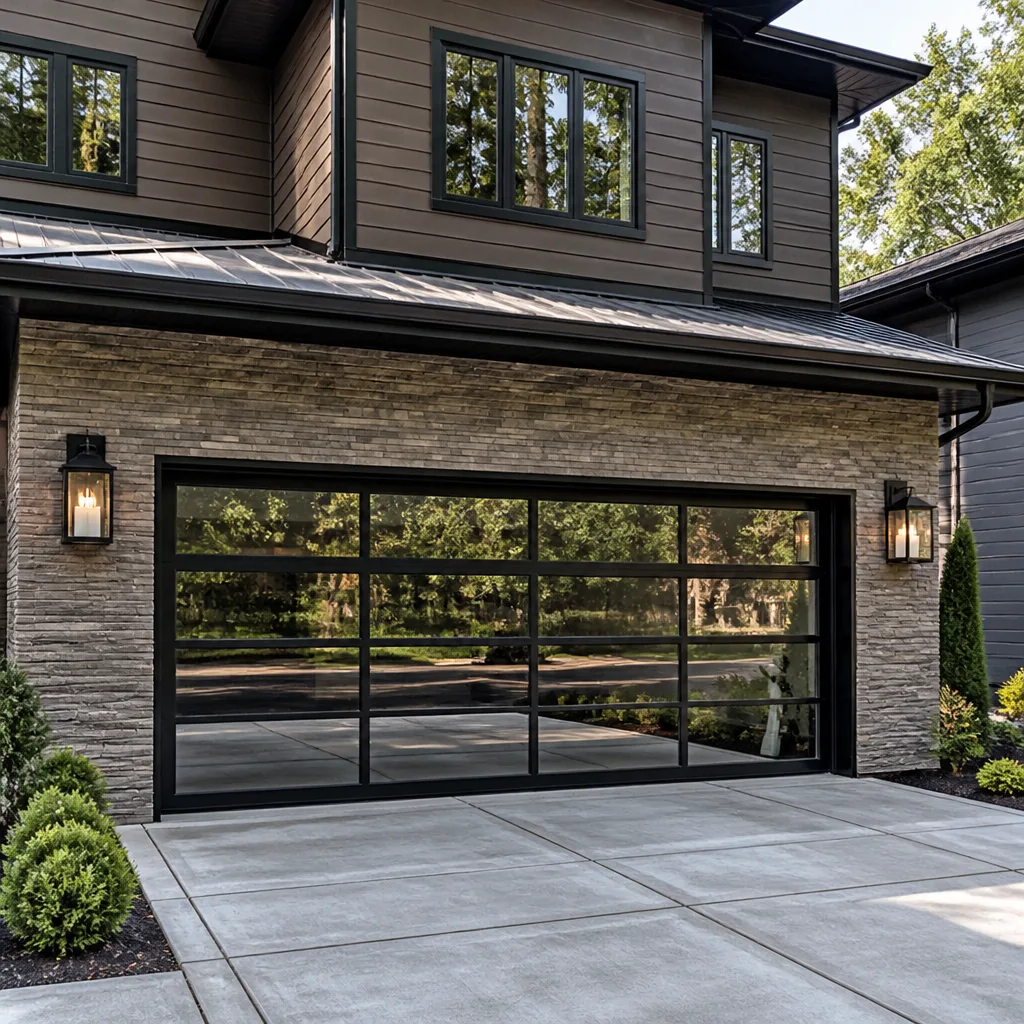 Full-view glass
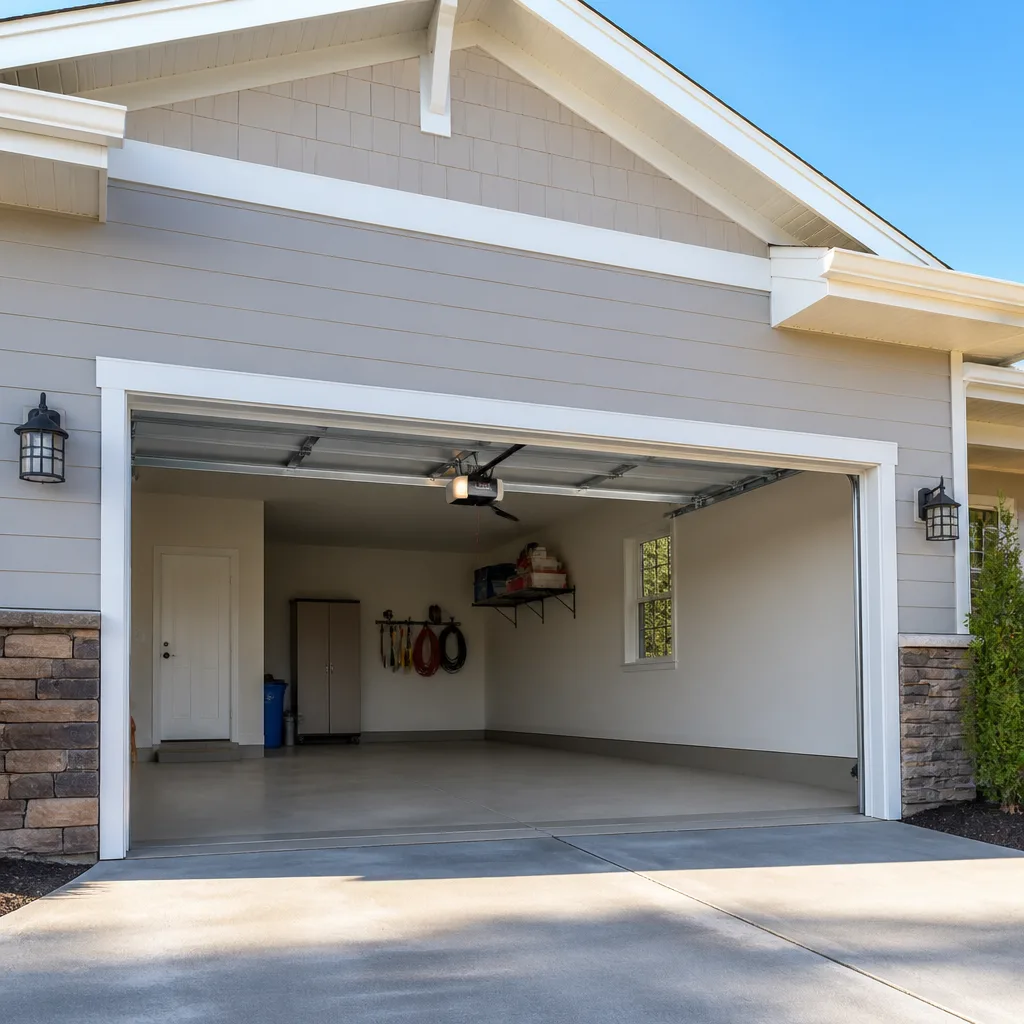 LiftMaster openers
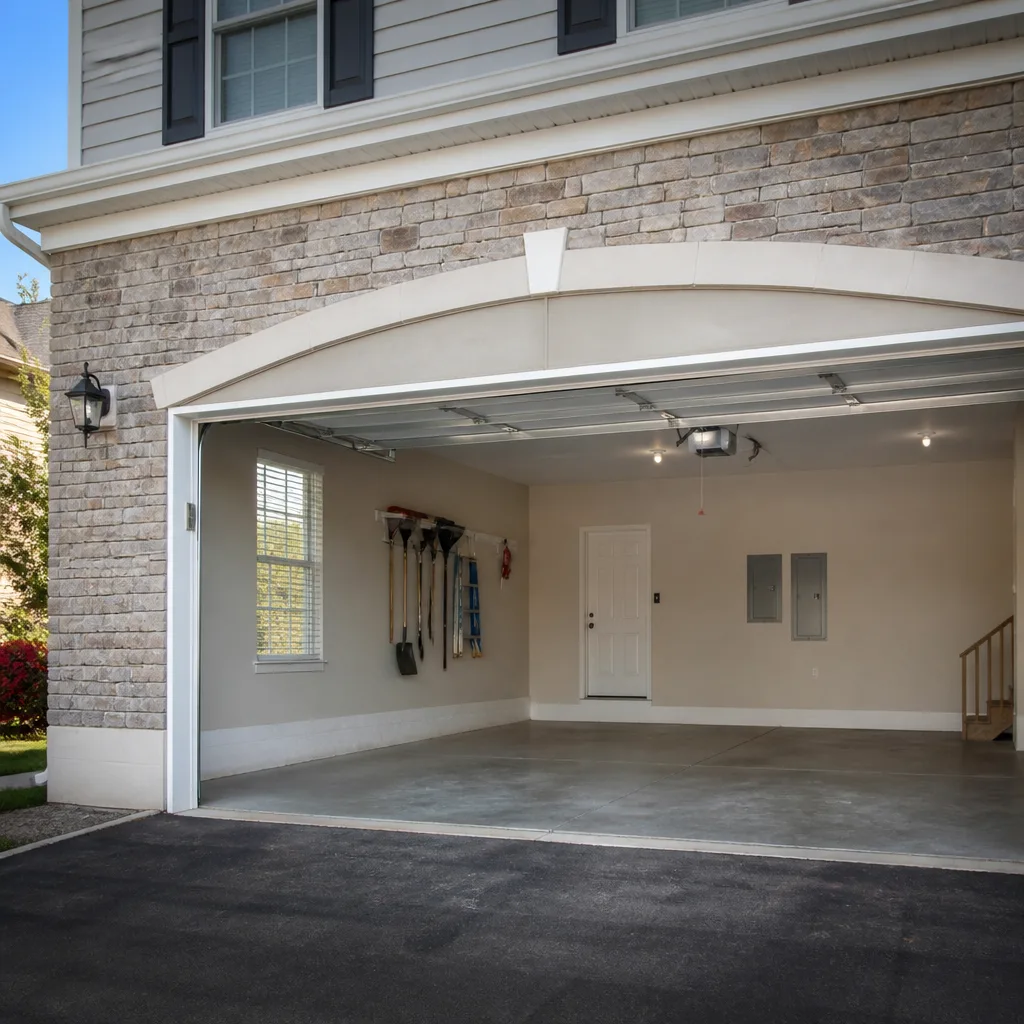 Chamberlain openers
Full 25-point door and opener safety check with every visit - springs, cables, rollers, tracks, and your LiftMaster or Chamberlain opener included
You get a price before we start. It does not change when the pro arrives.
Get your free estimateHow to Hire a Garage Door Contractor in Hampton: A Step-by-Step Guide
A surprisingly common scenario in Hampton: a technician arrives, identifies the problem in minutes, then tells you the shop “doesn’t carry that brand’s parts.” That’s a limitation nobody mentioned when you booked the appointment, and it turns a half-hour fix into a wasted morning. The culprit is usually the business model, not the door. Some companies install and service one manufacturer’s line, some are franchise arms of a national brand, and some are independent shops that work on whatever system sits in your garage. This guide shows you how to tell them apart before anyone pulls into your driveway, what to verify in Virginia, what a fair quote looks like, and which questions separate a straight answer from a sales pitch. Hampton homeowners deal with a crowded market of all three types, so screening matters.
Quick Answer
To hire a garage door contractor in Hampton, use three filters: confirm the company can service your specific door and opener brand, check the contractor’s license through Virginia’s online licensing lookup, and demand a written line-item estimate that states exactly what’s being replaced and whether parts and labor are covered by warranty. Skip any quote that pressures you into parts you didn’t ask about, and never let work start before you’ve agreed to a written price.
Styles & brands we work with
- Raised-panel steel
- Carriage house
- Modern flush
- Full-view glass
- LiftMaster openers
- Chamberlain openers
Table of Contents
- How Hampton’s Garage Door Market Is Structured
- The Brand Question: What to Ask Before You Book
- Virginia Licensing: What It Covers and How to Verify It
- How to Get a Useful Quote Over the Phone
- What a Written Quote Should Contain
- Red Flags in Quotes and Estimates
- Parts vs. Labor Warranty: What’s the Floor?
- A Step-by-Step Hiring Checklist
How Hampton’s Garage Door Market Is Structured
Garage door service in Hampton comes from three kinds of businesses, and each has a different reason to be on your driveway. Knowing the category tells you what questions are worth asking.
Brand-exclusive dealers
A dealer tied to a single manufacturer installs and services that line. That’s fine when your door was originally theirs. It becomes a problem when you bought a home with a different system, or when the previous owner picked the door and you pick the repair company years later. Brand-exclusive shops often subcontract or decline service work outside their line.
Franchise operations
Franchise groups follow a corporate playbook. The upside is consistency of process; the downside is less flexibility on pricing and often a narrower parts catalogue than the franchise name suggests. Franchise and dealer questions are the ones homeowners forget to ask: does the person on the phone actually know whether a technician can touch your opener model, or are they reading from a schedule?
Independent multi-brand shops
Independent shops service several manufacturers, which means the technician has seen your system before even if the brand isn’t the one they install most. For a home in Hampton, this matters because door and opener brands get mixed constantly by previous owners, remodelers, and builders. A shop that knows LiftMaster, Chamberlain, Genie, and Clopay systems is far more likely to diagnose the actual problem than a shop that only works its own line.
If the previous owner installed something unfamiliar, the company you call should identify it rather than talk you into a replacement. That’s the whole point behind Dayspring Garage Door Repair: brand-agnostic diagnosis first, then a repair decision.
The Brand Question: What to Ask Before You Book
Brand compatibility is the single most useful screen, and it’s the one homeowners almost never apply. When a shop declines or upcharges because of your brand, you’ve spent a half-day before you ever find out. Ask before the appointment.
Here are the questions that resolve it in under two minutes:
- Can you service my specific door and opener brand, or only the brand you install? The answer should be a direct yes or no, not “we’ll take a look.”
- Which brands do your technicians regularly work on? A solid answer names several. A shaky answer names one.
- Do you repair openers, or only doors? Door-only shops subcontract opener work; that’s a different contractor on the job and possibly a second service fee.
- Can you trace a problem to the door or the opener? The two systems cooperate, and a technician who works both diagnoses the real cause instead of guessing.
This is also where a full-system shop earns its value. We work on garage door opener repair alongside door work, which means a Hampton homeowner doesn’t hire one company for a stiff panel and another for a remote that stopped responding.
Smart openers and modern systems
Newer drives and connected openers run software, remotes, keypads, and safety sensors together. If your opener is a modern LiftMaster or Chamberlain, or an older Genie, ask whether the shop handles the full operator system or only mechanical symptoms. Opening the repair to motors, remotes, and sensors in one visit saves you the second appointment headache.
Virginia Licensing: What It Covers and How to Verify It
Virginia licenses contracting work through the Department of Professional and Occupational Regulation (DPOR). Garage door installation and repair generally falls under the contractor licensing that covers home improvements, and the license matters because it ties the business to a regulatory record you can look up. Rather than tell you which class applies to your job, the practical rule is to verify first and ask the company to point you to their license.
You can confirm a license in about a minute:
- Pull up the DPOR license lookup on your phone.
- Search by the business name or license number the company gives you.
- Check that the license is active and matches the business you were quoted.
- Confirm the work type covers residential garage door installation or repair, and ask if it doesn’t match.
Two more checks worth doing at the same time: ask whether the company carries general liability insurance and workers’ compensation, and see if they’ll confirm it on the record. A shop that handles the answer without hesitation is usually the one that’s covered. A shop that dodges is telling you something.
One caution tied to this trade: springs, cables, and the torsion assembly are under real tension, and the hardware can seriously injure someone who doesn’t know how it’s calibrated. Never take a crack at those components yourself; recommend the trained technician handle the dangerous parts and use your license and insurance checks to confirm they’re the right one.
How to Get a Useful Quote Over the Phone
Most repairs and installations can’t be priced precisely without seeing the door, but a good phone conversation can get you a realistic range and confirm the contractor is right for the job. Have these facts ready so the call doesn’t stretch to twenty minutes:
- The door’s brand and material (steel, aluminum, wood, vinyl) and the approximate size.
- The opener’s brand and model, if you can read it off the unit, along with the year if a sticker shows one.
- What broke and when: a snapped cable, a door that won’t close, a motor that hums but doesn’t move, a panel with a bend.
- Whether the door is manual or automatic, and whether the problem affects one or both (if it’s a double).
- Any history: a previous repair, a recent storm, a door that’s always been sluggish.
A good contractor will ask follow-up questions back: which side of the door makes the noise, whether the track is visibly bent, whether the opener light flashes. Those questions tell you as much as the answer. A technician who probes for details is diagnosing; one who quotes on the spot without asking anything is guessing, or reading from a price sheet.
We’ve seen this in our service area, including Hampton, where older homes mix original doors with replacement openers. The phone conversation should establish which system you’re describing, not just which symptom.
What a Written Quote Should Contain
A written estimate is the document that protects your wallet. The prices today come in a range because the door has to be measured, but the written quote sets the final price, and no work should start until you’ve agreed to it. Here’s what to look for:
- Line items that name the part, the quantity, and the brand where relevant. “Spring replacement” is vague. “Torsion spring, single door, one spring” is specific.
- Labor stated separately or an explicit note that labor is included in the part price.
- Warranty terms for parts and labor, written in days or months, not “guaranteed.”
- Whether the quoted price is final or subject to revision after inspection, and what a revision would be based on.
- Scope of work, including whether old parts are removed and how the door will be tested after repair.
| Item | What to look for |
|---|---|
| Parts | Specific name and quantity (one spring, one pair, one sensor) |
| Labor | Stated separately or included with a clear note |
| Warranty | Parts and labor each with days/months |
| Price lock | Written statement of whether the price is final |
| Testing | Note that the door is cycled and rebalanced before they leave |
Spring pricing is one place to read carefully: a quoted range usually covers a single spring, and a matched pair is replaced together. A pair running about twice the single-spring price is normal; a quote that hides that in a bundle is the part to question.
Red Flags in Quotes and Estimates
Some of the most common quote problems are structural, not dishonest. Vague line items, bundled pricing, and pressure to tackle parts you never asked about all point to a shop trying to close a job, not solve it.
Vague line items and bundling
If an estimate totals one number with no breakdown, ask what’s inside it. Bundles that include door balance checks, lubrication, and hardware inspection can be genuinely useful, but you should see the parts named. “Tune-up included” without a list is a gap; ask them to spell it out.
The “service fee applied to repair” pattern
A fee that only credits if you buy the repair creates pressure to approve work you don’t need. A free estimate avoids the conflict entirely. If a shop charges for showing up, ask whether the number is credited regardless of what’s found, and whether it’s credited if you choose not to proceed today.
Spring-pair pressure without explanation
Torsion springs are often replaced as a pair because they wear together, and one new and one old can leave the door unbalanced. But “replace both” deserves a reason: the technician should show you the wear, explain the balance issue, and let you decide whether one or both is right for your door. Pressure to swap both without any of that is a red flag.
Quotes without an on-site measure
New doors usually need a measure before a final price. A quote on a full replacement over the phone with no measurement is optimistic, not precise. The written estimate after a measure is the price.
Parts vs. Labor Warranty: What’s the Floor?
Warranty terms separate the shops, because parts coverage and labor coverage are different promises. Industry parts warranties vary widely by brand and component; labor is where a cheap repair can get expensive, since a part that fails at month four with a 30-day labor warranty means you pay again to have it swapped.
Here’s the practical reading:
- Parts: manufacturer terms apply, and the shop should state them clearly. Ask whether the shop honors the brand’s coverage or replaces the part themselves, and how you file a claim.
- Labor: 90 days is the floor to expect. Anything shorter should come with a reason; a longer term is worth asking about but only if it’s in writing.
- Installation: a new door carries door and opener manufacturer terms plus the installer’s own labor promise. Get both in the estimate.
A shop that answers warranty questions cleanly is confident in the repair. One that treats the question as an objection will say “we stand behind our work” without saying for how long.
If the door, opener, or both are past repair, the same company should handle the replacement. We handle garage door repair and installation without passing you to a third contractor, which is the single-call advantage for a Hampton homeowner mid-repair.
A Step-by-Step Hiring Checklist
Work through this in order, and by the time you schedule you’ll know exactly what you’re getting. It takes about half an hour of effort and prevents the half-day scenario.
Before you call
- Identify your systems. Open the door, read the label on the opener, and check the door’s branding on the inside bottom or side panel. Write down the brands.
- Note the symptom in detail. The noise, the timing, the door position when it fails. Details shorten diagnosis.
- Check the license. Use DPOR’s online lookup with the company name before you spend any time on the phone.
On the call
- Ask the brand question. “Can you service my specific door and opener brand?” A direct answer tells you how the appointment will go.
- Ask about the full system. Doors and openers cooperate, so ask whether the shop covers both, or only doors.
- Confirm what the visit includes. Diagnostic, repair, and whether the estimate itself is free.
At the visit
- Read the written quote against the list above: line items, labor, warranty, price lock.
- Ask why. “Why this part and why now?” A technician who explains the diagnosis earns the next call.
- Agree before work starts. The written estimate is the price. Nothing changes after the job begins.
Dayspring’s approach is built around the last step: same-visit diagnosis and repair, no upselling into a replacement when a repair works, and a clear explanation of what’s being done. Our technicians have up to 11 years of experience on the systems they service, and we work on doors and openers together.
Common Mistakes to Avoid
- Booking before asking about brand coverage. The half-day wasted scenario starts here. Ask the brand question before the appointment, not when the technician opens the garage.
- Skipping the DPOR check. Verifying a license takes about a minute online and prevents hiring an unlicensed operator who can’t be held to anything. It costs nothing to look.
- Accepting a one-number quote. A total with no line items is a black box. Ask for parts and labor broken out, then compare two shops on the same line items.
- Falling for a service fee that only credits if you buy the repair. That structure pushes you toward approving work. Ask whether the fee is credited if you choose to wait, and take the answer at face value.
- Letting a shop replace both springs without explaining the pair. Pair replacement is often correct for balance, but it should come with a reason. Ask to see the wear and the balance issue before you agree.
- Hiring a door-only shop and forgetting the opener. If the symptom could be either system, a door-only shop may stop short of the actual fault and hand you a second appointment.
- Approving work on springs or cables without understanding the hazard. These parts are under heavy tension, and the job belongs with a trained professional. A technician who signals the danger is an expert; one who treats it casually is not.
See the difference
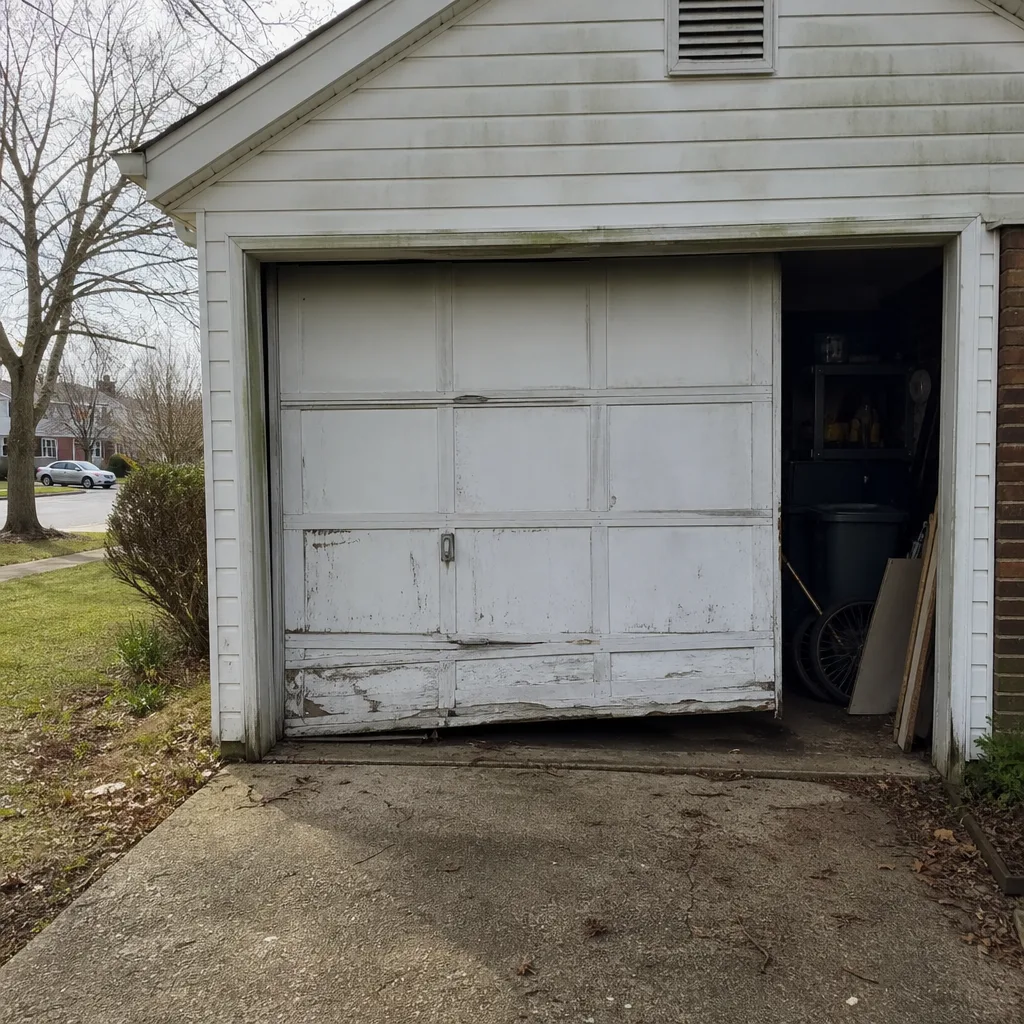 Before
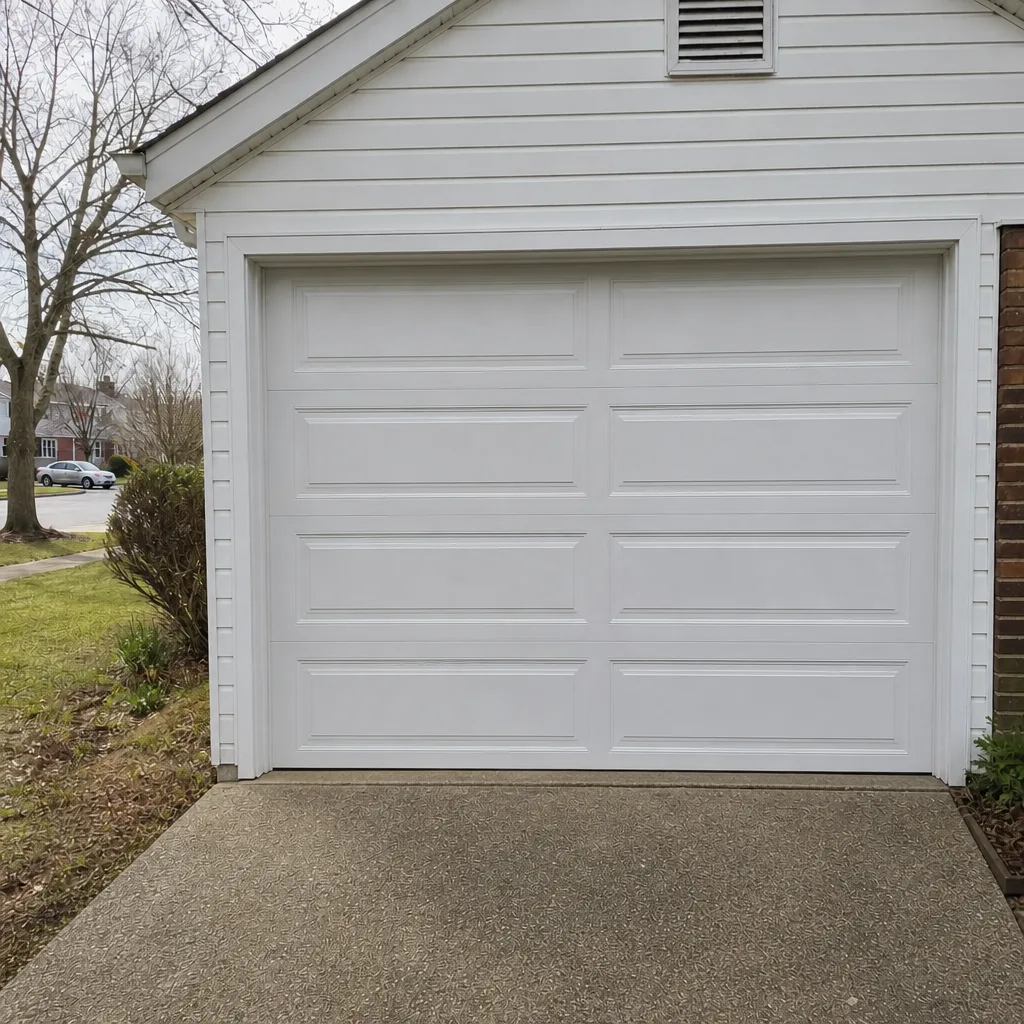 After
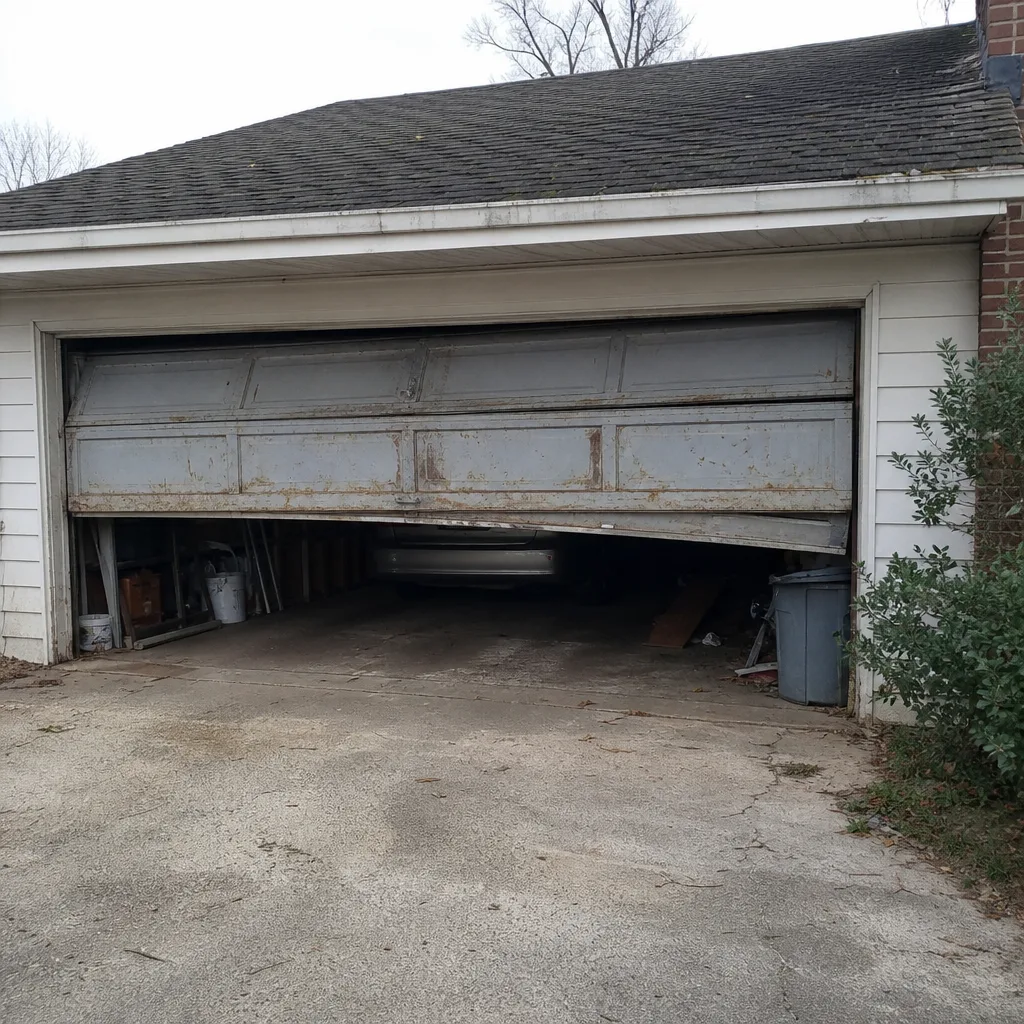 Before
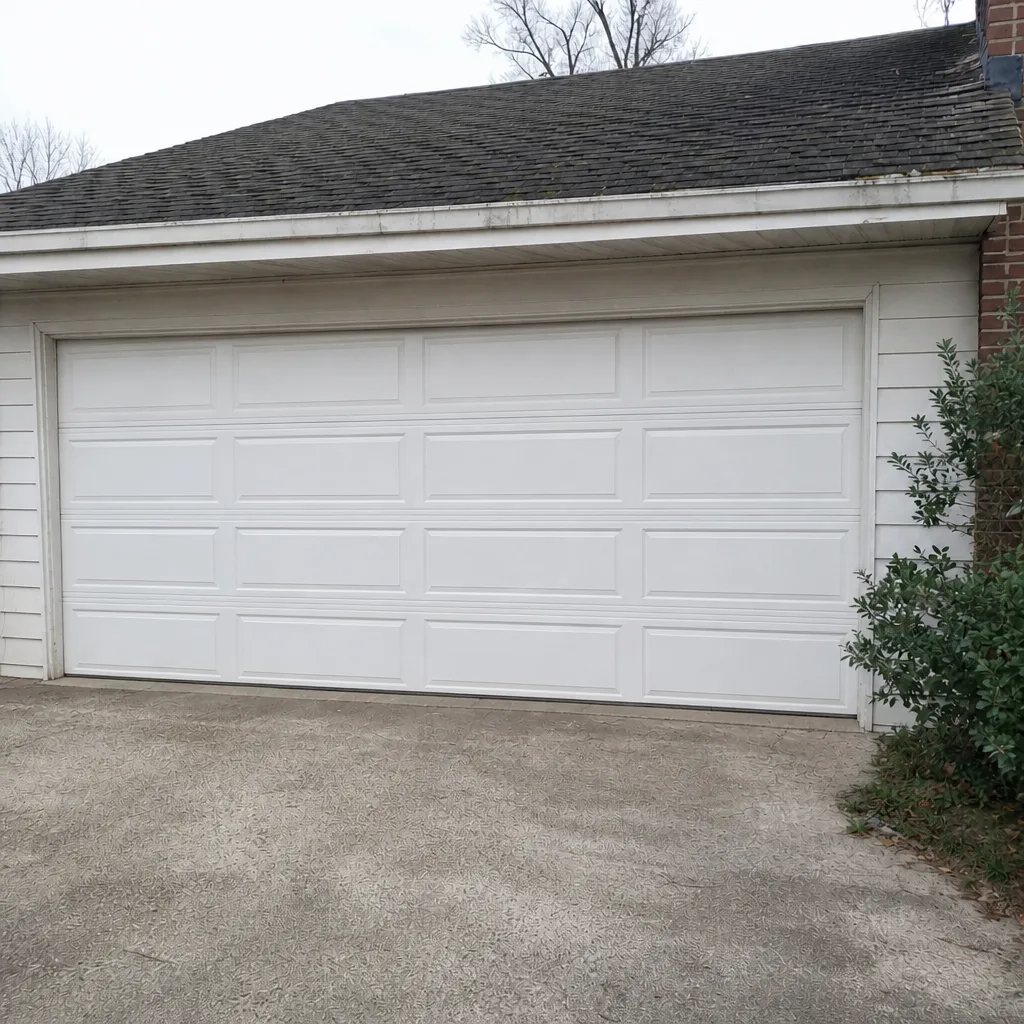 After
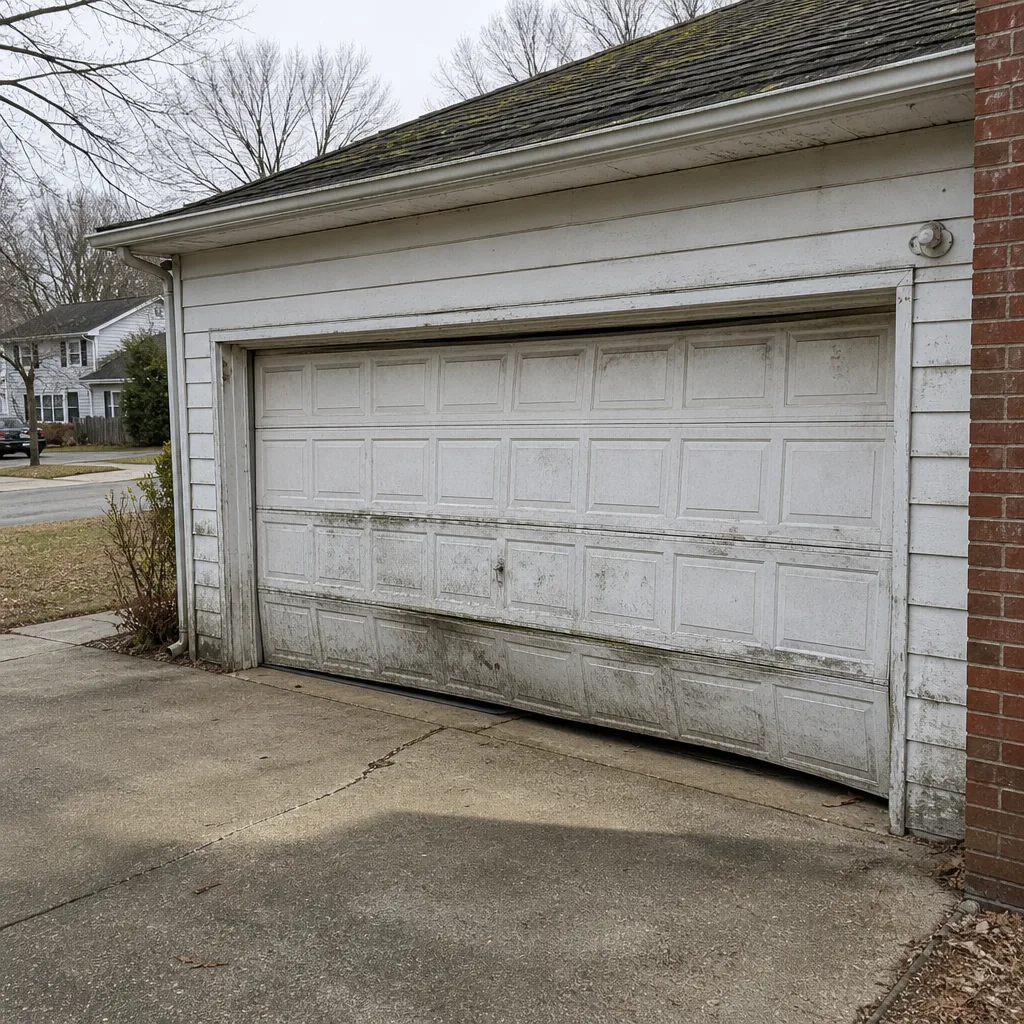 Before
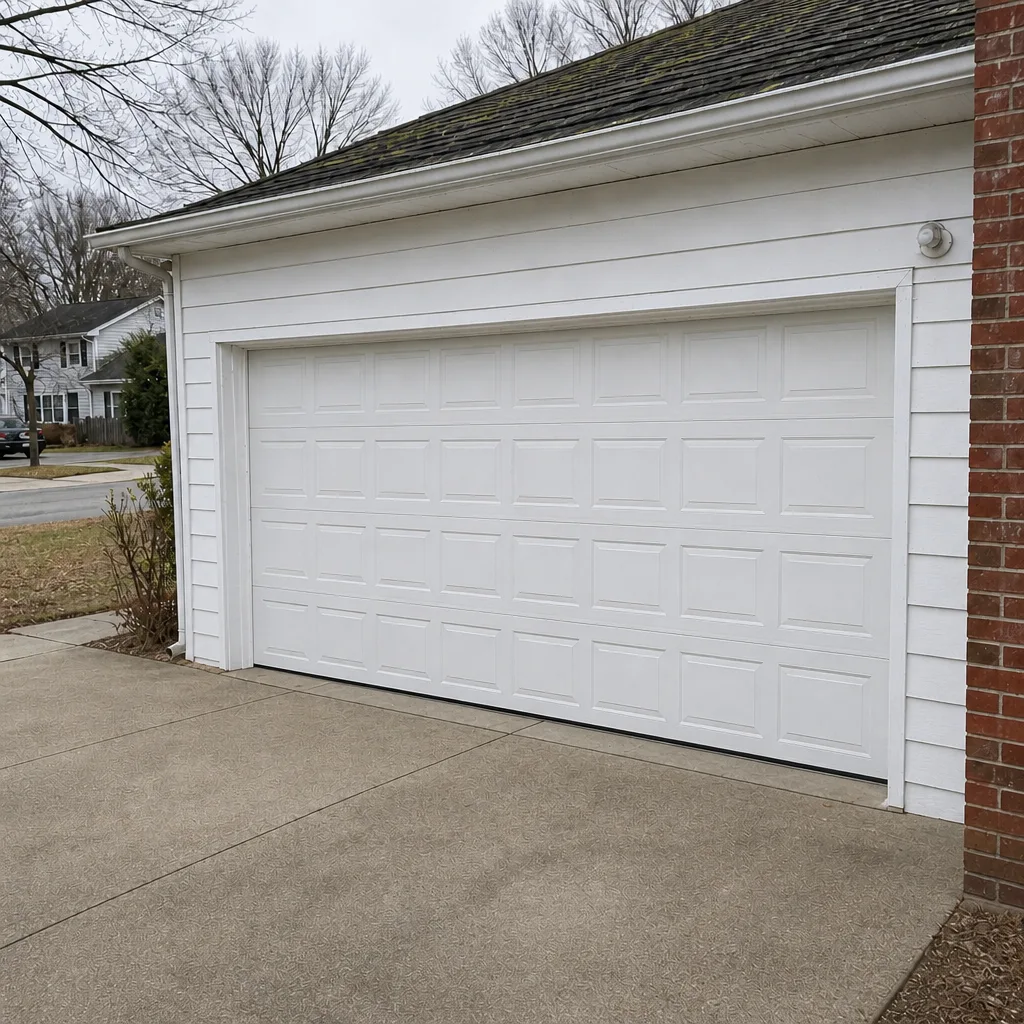 After
When to Call a Professional
Some garage door problems are safe to observe but not safe to fix. Call a professional when the door won’t close flush or reverses at the floor, when you hear a loud snap from the overhead assembly, when a cable hangs slack or visibly frayed, when the door jumps or stalls mid-travel, or when the opener runs but nothing moves. These signal tension or balance problems in the dangerous components, and the right move is a trained technician. On the opener side, a motor that hums without lifting, remotes that stop responding after a battery swap, sensor lights that won’t settle, or a smart-home opener that drops its connection also deserve a professional check, since the operator system is more connected than it looks. Our technicians have up to 11 years of experience on doors and openers, and working on garage door opener repair in Hampton is part of the daily work. Dayspring Garage Door Repair offers free estimates in Hampton: call (866) 942-6044, and we’ll talk through the symptom before anyone is dispatched.
Frequently Asked Questions
Ask directly on the phone: “Can you service my specific door and opener brand?” A contractor who services multiple manufacturers will answer yes to common brands like LiftMaster, Chamberlain, Genie, and Clopay, or tell you clearly which systems they handle. If the answer is that they only service their own line, ask whether the appointment meant a repair or a replacement quote.
Use the Department of Professional and Occupational Regulation’s online lookup, and search by the business name or license number the company gives you. Confirm the license is active and covers residential garage door work. Ask the company to confirm liability insurance and workers’ compensation at the same time. If the license lookup doesn’t match the business you were quoted, pause and ask why. Call (866) 942-6044 if you’d like us to point you to our license details.
A realistic range, yes, and a firm price usually needs a measurement or inspection first. Have ready your door brand and material, opener brand and model, and a specific description of the symptom, then listen for the follow-up questions. A contractor who asks about track condition, noise, and door balance is diagnosing. The written estimate after inspection sets the final price. Call (866) 942-6044 for a free estimate and a conversation about what you’re seeing.
Often, yes. Torsion springs wear at the same rate, and replacing one and leaving the other old can leave the door unbalanced. But “normal” still needs an explanation: the technician should show you the wear and explain the balance issue. A quoted range usually covers one spring, so a matched pair runs around twice that. Ask for the pair price as a separate line and decide from there. Call (866) 942-6044 for a written quote on springs before any work starts.
Parts and labor, spelled out separately in days or months. Manufacturer parts terms vary by brand and component; the labor warranty is where the shop differentiates, and 90 days is the floor to expect. Anything shorter needs a reason, and any longer promise should be in writing. Installation should carry both the door manufacturer’s terms and the installer’s labor promise. Call (866) 942-6044 for warranty terms on specific repairs.
Usually not directly. Many door-focused shops subcontract or decline opener and smart-drive work, which means a second contractor, a second appointment, and possibly a second diagnostic fee. If your door works but the opener hesitates, ask on the phone whether the shop covers the full operator system: motors, remotes, keypads, safety sensors, and connected openers. That question saves you the handoff. Call (866) 942-6044 and we’ll talk through whether it’s the door or the opener.
The Bottom Line
Hiring a garage door contractor in Hampton comes down to three checks: brand coverage, license verification, and a written line-item estimate that locks the price before work starts. Ask the brand question first, since it’s the one that catches a wasted half-day. Use DPOR’s lookup for the license, and read the warranty in days and months, not adjectives. Pressure to replace both springs without explanation, a fee that only credits if you approve, or a quote with no line items all point to a shop closing jobs. The right contractor identifies the system in front of them and fixes what’s broken. If you’re still deciding, our team works on doors and openers together and keeps the diagnosis honest.
Ready to move from guide to appointment? Call (866) 942-6044 for a free estimate in Hampton. We answer 24/7, with fast dispatch from 7am to 7pm, Sunday through Friday. Whether it’s the door, the opener, or both, we’ll tell you what’s wrong before anyone touches the assembly, and the written estimate sets the price.
Written by the team at Dayspring Garage Door Repair.