
Last updated November 14, 2026
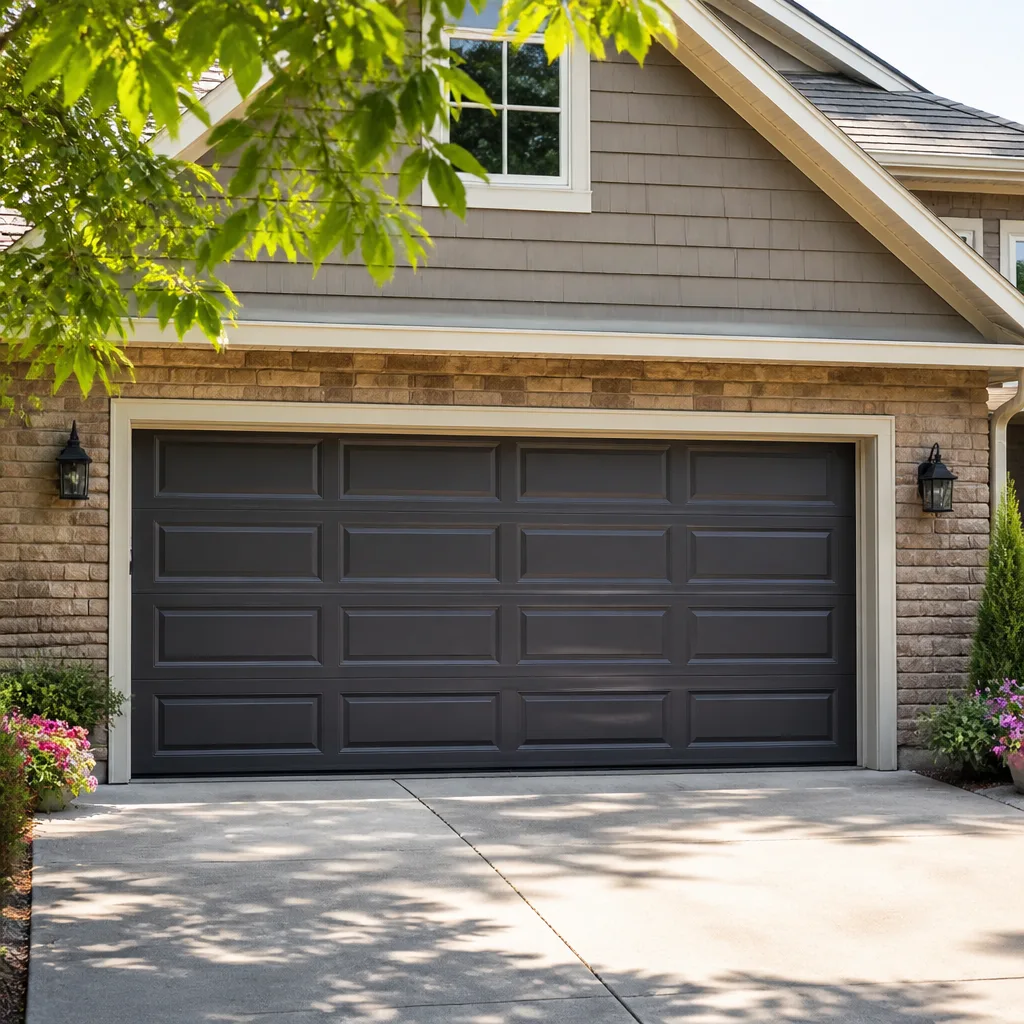 Raised-panel steel
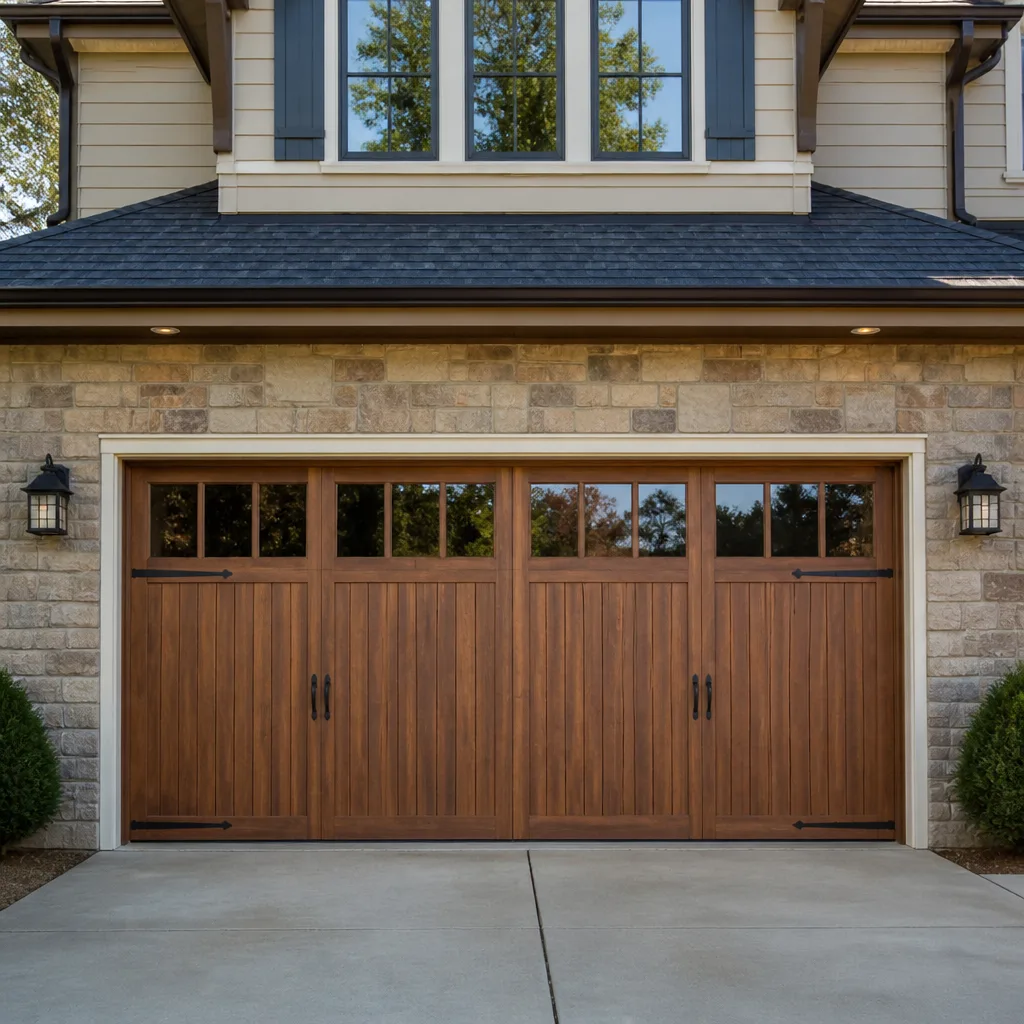 Carriage house
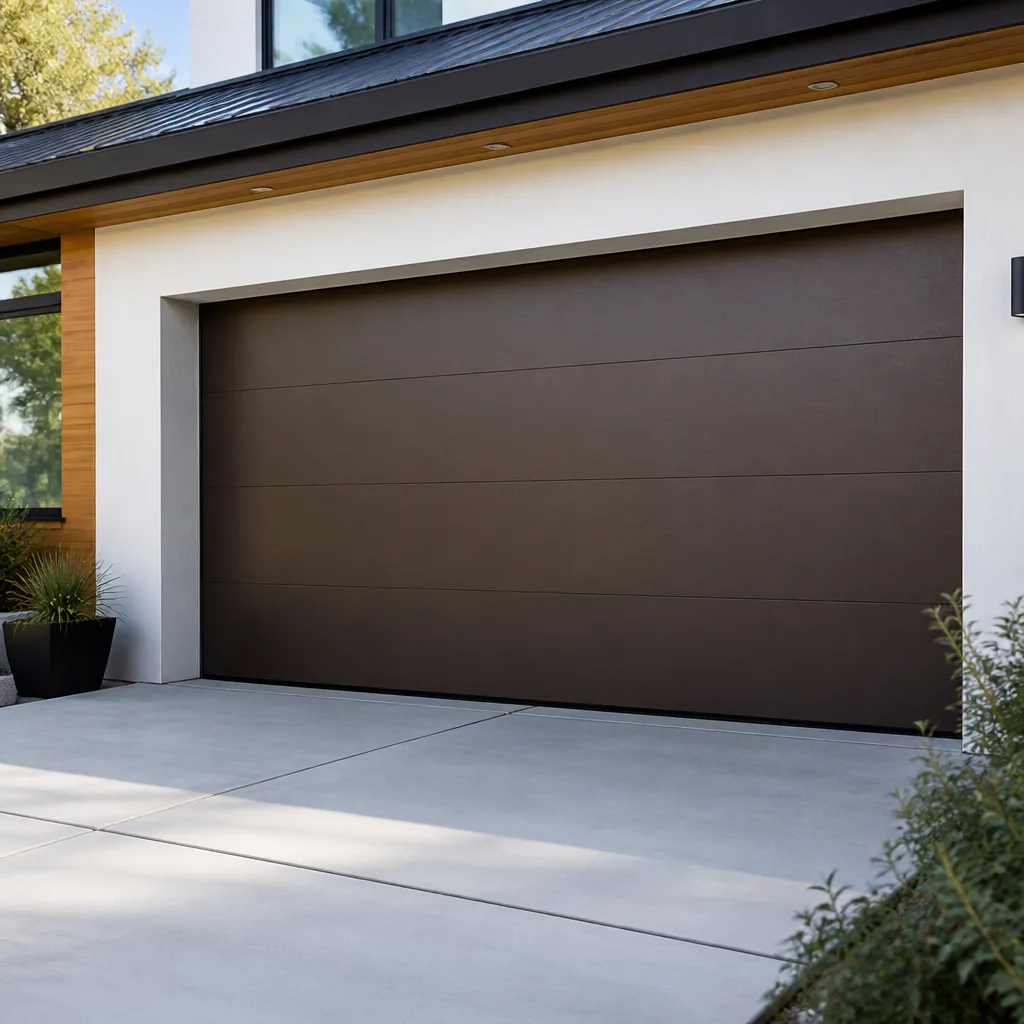 Modern flush
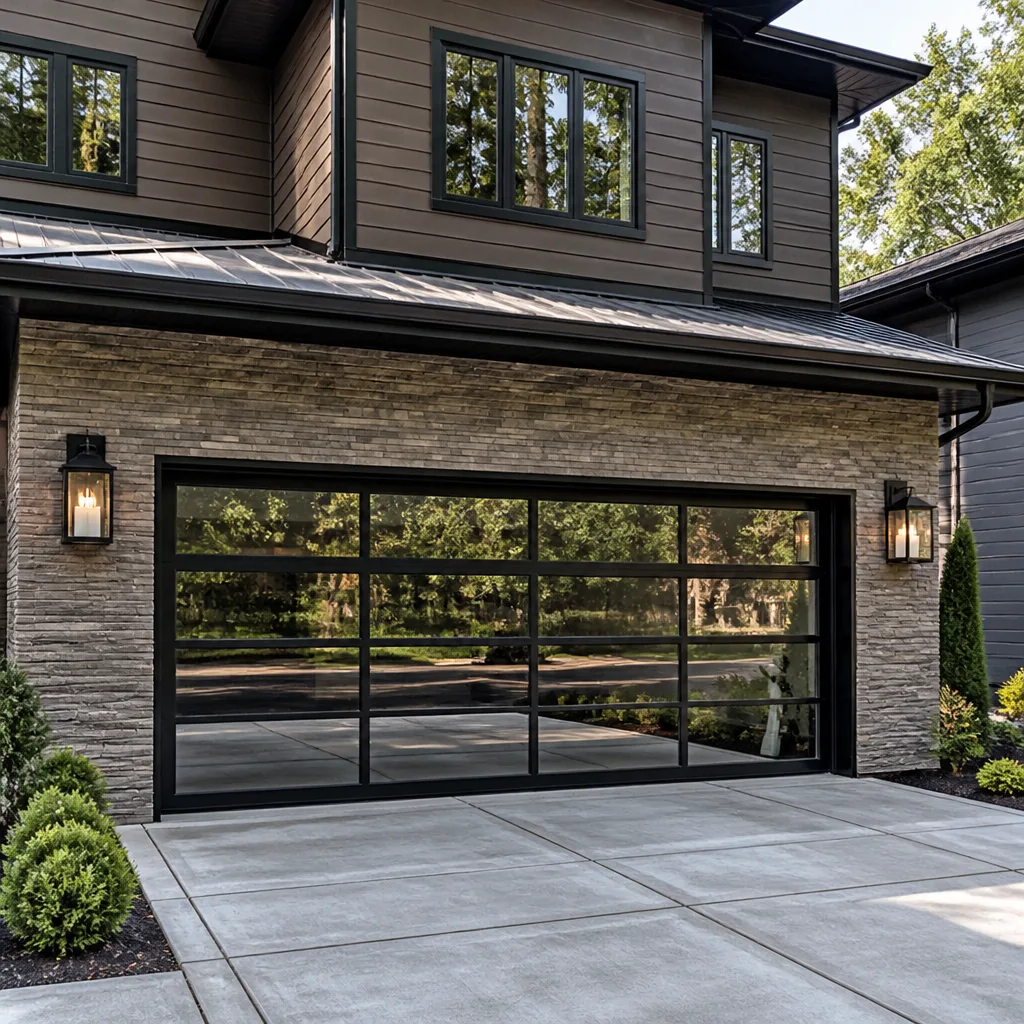 Full-view glass
 LiftMaster openers
 Chamberlain openers
Full 25-point door and opener safety check with every visit - springs, cables, rollers, tracks, and your LiftMaster or Chamberlain opener included
You get a price before we start. It does not change when the pro arrives.
Get your free estimateSeasonal Garage Door Care for Hampton: Year-Round Homeowner’s Guide
Most seasonal garage door advice is written for places with hard winters and sharp temperature swings. Hampton doesn’t work that way. Our garages face a humidity cycle, a hurricane season, and winters mild enough that freeze damage is rare but not impossible. So the calendar of care here looks different from what a homeowner in Michigan or Colorado would follow. That’s the point of this guide.
A door that runs fine in February can start binding by July, and hardware that survived a tropical system can seize by the first cold snap if the salt and grit from summer never got cleaned off. We cover what actually changes in Hampton across the year, month by month, and what to check before each season. Read it once, keep it, and come back to it as the calendar turns.
Styles & brands we work with
- Raised-panel steel
- Carriage house
- Modern flush
- Full-view glass
- LiftMaster openers
- Chamberlain openers
Quick Answer
In Hampton, garage door care follows a humidity-and-storm calendar rather than a deep-freeze one. The two biggest seasonal jobs are pre-hurricane-season prep in late spring (bracing, manual release, drain clearance) and post-storm inspection after any tropical system or nor’easter. Humidity control and hardware cleaning fill the rest of the year, with a light cold-snap check before winter.
Table of Contents
- Why Hampton Garage Doors Age Differently
- Spring: The Post-Storm Audit
- Pre-Hurricane Season Prep (May-June)
- Summer: Humidity and Wood Doors
- Fall: Hardware Cleaning and Rust Control
- Winter: Mild Weather, Brief Cold Snaps
- The Monthly Five-Minute Check
- Common Mistakes to Avoid
- When to Call a Professional
- Frequently Asked Questions
Why Hampton Garage Doors Age Differently
Hampton sits in a part of Virginia where the seasons are more about moisture than about temperature. Winters are mild. Summers are humid. And the Atlantic hurricane season runs from June through November, which means a few months out of the year our doors face wind-driven rain and debris in a way that most seasonal guides never address.
That combination changes what matters. A door in a dry climate mostly fights sun and dust. A door in Hampton fights moisture on two fronts: humidity in the air during summer, and storm-driven water during hurricane season. Both accelerate the same problems over time. Steel panels rust where the paint film breaks. Wood and MDF panels swell at the edges and lose their finish. Hardware, hinges, and rollers collect grit that turns into rust in the fall.
Mild winters don’t eliminate cold-weather problems entirely. Even brief cold snaps in Hampton can stiffen the bottom weather seal or cause a wooden door to bind if it swelled during the summer and never fully dried. When you think about your door seasonally, the calendar here runs a little differently than the national advice would have you believe.
The good news is that the maintenance schedule is actually lighter than in harsher climates. You’re not fighting salt on the roads or shoveling drifts against the door. You’re managing moisture, preparing for storms, and staying ahead of small hardware problems that turn into bigger ones if they’re left alone. If something does break despite your best efforts, our garage door repair team handles doors and openers from the same visit. We work on virtually every major brand, so you don’t need to know which one you have before you call.
Spring: The Post-Storm Audit
Spring in Hampton is the season to undo whatever winter and the previous season’s storms did to your door. It’s tempting after a nor’easter or an early tropical system to swing the door up, hear it run, and assume everything is fine. In our experience, that’s where small problems hide. A door can operate normally while its track is slightly bent, its rollers are flat-spotted, or its torsion spring has taken on stress it won’t survive in the summer heat.
Before you assume everything is fine, run through this audit:
- Look at the track from the side. Stand at the door’s edge and sight down the length of each vertical track. Both tracks should be straight and parallel. A visible bend, kink, or gap between the rail and the wall suggests storm movement.
- Check the panels at the hinge line. Storm-driven debris and pressure can bow a panel or loosen a hinge. Run your hand along the inner face and look for separation at the seams.
- Test the balance by hand. With the door closed and the opener disconnected, lift it halfway and let go. It should stay put. A door that sinks or rises on its own needs spring attention.
- Look for rust bloom at the bottom edge. Spring is when you’ll first see orange dots on the lower hinges and bottom bracket after a wet winter. Catch them early with a wipe-down and touch-up paint.
- Test both safety sensors. Wave an object in front of the photo-eye, then check that the door reverses when it hits a small obstacle laid flat on the floor. Sensors that drifted during winter storms are a common find in Hampton.
- Wipe the weather seal clean. Storm grit embedded in the bottom seal gets ground into the threshold every time the door closes, wearing the rubber down faster than you’d expect.
If any of these checks turn up something you’re not comfortable fixing, the right move is a service call. Spring adjustment on a torsion spring carries real risk, and we’d rather see your door on our schedule than hear about an injury. Our Hampton service answers calls for exactly this kind of thing every spring.
Pre-Hurricane Season Prep (May-June)
Hurricane season in Hampton starts June 1st, and the work to prepare a garage door for it belongs on your calendar in May. Most seasonal garage door guides skip this entirely, because they assume their reader lives somewhere far from a coastline. Here, wind-rated bracing and a working manual release matter in a way they simply don’t in Kansas.
What wind-rated bracing looks like
Garage door manufacturers offer bracing kits that add horizontal reinforcement across the door’s panels, letting it resist higher wind loads than the base door could on its own. Not every door needs it. A door rated for a given wind speed is fine on its own up to that speed. Older doors, lighter-gauge steel doors, and doors that have already taken a hit from a past storm benefit most from the upgrade. If you don’t know what your door is rated for, the label on the back of the top panel usually says so. A professional can tell you in five minutes whether bracing makes sense.
Test the manual release now, not during the storm
The red cord hanging from the opener’s rail is your manual release. In a power outage, pulling it lets you operate the door by hand. Test it before hurricane season rather than during one. Pull it, lift the door, confirm the spring’s balance (it should move with modest effort), then re-engage it by running the opener and letting the carriage reconnect. If the door is too heavy to lift, the springs need attention before storm season, not after.
Clear the drain channels and the threshold
Water intrusion during a storm often comes from poorly drained ground outside the door. Walk the outside of the threshold and clear any gutter downspout, French drain, or pooling spot that sends water against the door’s base. Check for cracks at the concrete apron where water can wick under the seal. This is a small fix that saves a much bigger one.
Prep the opener for power loss
A battery-backup opener keeps the door usable during outages, which matters in the days after a storm. If yours doesn’t have one, it’s worth considering. Test the existing battery with a short unplugging (follow the manufacturer’s instructions, such as those on a Chamberlain or Genie unit). Make sure your remotes and keypad still work if you’ll be depending on them while power is out.
Final pre-storm checklist
- Bracing verified or upgraded if the door needs it
- Manual release tested and the door confirmed liftable by hand
- Drain channels and downspouts clear
- Battery-backup opener confirmed working
- Bottom weather seal intact and free of gaps
- All hardware tight, including the top bracket and hinges
- Exterior touch-up paint completed so rust doesn’t get a head start on storm water
Summer: Humidity and Wood Doors
Hampton’s summer humidity is a real foe for wood and MDF garage doors. The problem isn’t the door sitting in damp air; it’s the cycle of absorbing and releasing moisture as the air changes. Wood swells when it takes on moisture and shrinks as it dries. A door that cycles through this repeatedly will eventually show it, and the place you’ll see it first is the panel edges.
What early humidity damage looks like
The classic signs show up on the door’s surface and edges. Panel bottoms swell outward at the joint, paint fails in small flakes along the lowest horizontal edge, and the seam between two panels starts to close up or widen. If you see those, humidity has begun attacking the finish. Left alone, water gets in behind the paint and starts working on the wood itself, and the eventual fix is a new door rather than a repaint.
MDF is more sensitive than solid wood. Once MDF soaks, it doesn’t dry back to the same shape. Watch for soft spots at the bottom corners and a chalky or crumbly feel right under the paint line. A quick press with a fingernail tells you a lot.
How to slow the progression
- Seal every edge, not just the face. The end grain and the panel bottom are where water gets in. A quality exterior-grade primer and paint on the bottom edge of each panel makes the biggest difference. Repaint when the existing finish flakes or thins, not after.
- Keep the garage ventilated. An open side window or a small vent fans out the humidity that would otherwise settle against the door’s interior face. A weather-sealed garage holds moisture in, so crack a vent when conditions allow.
- Check the bottom seal’s contact. A seal that doesn’t touch the floor lets humid air and rain straight to the door’s base. Set it correctly or replace it when it starts to flatten.
- Dry the threshold after rain. A quick sweep after a big storm dumps water is worth five minutes of your day. Let water sit against the bottom edge and it’ll find its way into the wood or into the finish.
On steel doors, summer humidity mostly matters for the rust it starts in fasteners and joints. A wipe-down of the hinges in June heads off most of it. On Clopay or Amarr doors, the factory finish is durable, but any scratch or chip you can see is a spot to touch up before humidity can work on it.
Fall: Hardware Cleaning and Rust Control
Fall in Hampton is your best window for hardware maintenance. The humidity is still high enough that grit turns to rust, and once winter’s damp weather hits, small rust blooms become bigger ones. The trick is to clean the moving parts before rust has time to take hold, and to spot potential failures before the cold stress of winter.
What to clean and where
Walk the door’s moving hardware with a clean rag and a light solvent. Wipe each hinge at the knuckle and clean any grit out of the joint. Run a rag along the roller stems and clean out the cradles where the rollers sit. Wipe each track with a damp rag, then dry it. Wipe any dust out of the opener’s rail.
This isn’t cosmetic. Grit and old grease become an abrasive paste that wears the hinge knuckles and the roller stems faster than they would otherwise. That grit also holds moisture against the metal. Wiping it away once a year is worth more than any product you could spray on afterward.
Lubrication, done right
Use a garage-door-rated silicone or lithium grease on hinges, rollers, and the opener’s rail. Skip WD-40 as a long-term lubricant; it’s a solvent and evaporates. Avoid putting anything on the door’s panels themselves. And never spray lubricant on the torsion spring’s coils, because that’s a place where a professional’s judgment matters.
Rust inspection
Look at the bottom bracket, the bottom hinges, and the track where the bottom rollers travel. These are the lowest points on the door, and where water pools. Any orange dust means rust is starting. Clean the spot, prime it, and paint it before winter. On a steel door, this small step pays for itself by forestalling panel replacement. A Craftsman or LiftMaster opener itself doesn’t rust, but the door panel above it does, and the hardware holding it in place matters just as much.
Weather seal check
Before the cold comes, run your hand along the bottom seal to check for cracks or hardness. A seal that has gone stiff won’t flex against the floor and will let water and cold air in. Check the side jamb seals too. Replace them before winter, not during a cold snap when you’d rather be inside.
Winter: Mild Weather, Brief Cold Snaps
Winter in Hampton is mild enough that most homeowners give the garage door no thought. A typical season runs warm enough that freeze damage is rare, but brief cold snaps are how small issues you’ve ignored all year finally show themselves. A door that swelled slightly in the summer and never fully dried can suddenly bind in a cold snap. A weather seal that lost flexibility in the fall can crack when the temperature drops. The prep is less about winter protection and more about confirming everything is already in good condition.
What to check before the first cold snap
- Test the door’s travel in both directions, slowly, and confirm it moves smoothly. Cold starts are unforgiving on a door that’s slightly binding.
- Inspect the weather seal for cracks or hardened rubber. Replace a stiff seal now, before a cold snap makes it worse.
- Check the opener’s circuit board and sensors for corrosion from summer humidity. A quick look is enough, and a technician can do it in the same visit if something feels off.
- Confirm the torsion spring’s balance is still correct. Springs are more brittle in cold weather, and a door that’s been out of balance all year will be noticeably worse when temperatures drop.
- Look at the door’s bottom edge for swelling in any wood or MDF panels. Freeze cycles turn a small swelling into a crack.
When a cold snap hits
If the door refuses to move, or you hear popping or grinding, don’t force it. Forcing a door in the cold is how a small problem becomes a spring or cable failure. Give us a call and we’ll diagnose it. And keep in mind: if a door fails on a Saturday, we’re closed that day. We’ll book you for Sunday.
If the opener runs but the door barely moves, or the door reverses immediately after starting upward, you’re looking at a binding or balance issue. Don’t keep cycling it. The motor will try to force it and wear out in the process. In our experience, most “my opener is broken” calls in the winter turn out to be a door that’s binding against a stiff or swollen component.
The Monthly Five-Minute Check
The seasonal calendar gets the big structural work, but most garage door failures start as small issues that were visible weeks before. A once-a-month visual and functional check catches things early, when they’re still cheap. Here’s the short routine we suggest for Hampton homeowners:
- Watch the door run. Cycle it up and down slowly at least once a month. Listen for a grinding or popping sound at any point in the travel.
- Look down the tracks. Stand at the edge of the door and sight down both vertical tracks. Any bend is a problem to address before it becomes a roller failure.
- Test the manual release. Pull the red cord, lift the door, confirm it’s balanced, then re-engage. This takes 30 seconds and could save you during a storm.
- Test the safety sensors. Wave an object in front of the photo-eye and confirm the door reverses when it hits a small obstacle. Sensors drift and dirty lenses are common.
- Wipe down the hardware. A rag over the hinges and roller stems once a month keeps grit from building up between seasonal cleanings.
- Look at the bottom seal. Any tears, cracks, or gaps are easier to fix before water and grit get behind them.
- Touch up any paint damage. A small chip in the paint on a steel or wood panel is a place for moisture to start. Cover it in the same month you see it.
Five minutes a month is more than most homeowners do, but it’s the cheapest maintenance you can give the largest moving part of your home. If you find something during the routine that you don’t recognize, an opener or door diagnosis is what we do all day. Our garage door opener repair covers motors, remotes, keypads, safety sensors, and smart-home integrations, and we work on units from Chamberlain, Genie, LiftMaster, and the rest of the major brands.
Common Mistakes to Avoid
- Waiting for hurricane season to test the manual release. Test it in May, not in June when a named storm is a day out. If the release is stuck or the door is too heavy to lift with the opener disconnected, that’s not a problem to discover during an outage.
- Assuming a working door is a healthy door. A door that cycles normally can still have a slightly bent track, a bottom seal that’s failing, or a hinge that’s one humid month away from seizing. The post-storm audit exists because the visual and functional tests catch things that sound and feel won’t.
- Painting over a failing wood door without sealing the edges. Fresh paint on a swollen MDF or wood door without treating the panel bottoms first just traps moisture in. In Hampton humidity, the swelling continues underneath the paint and eventually pushes it off.
- Spraying lubricant on the springs. Torsion springs carry dangerous tension. Lubricant attracts grit, which can accelerate wear. Leave springs to a technician.
- Skipping the fall hardware clean. This is the single most overlooked seasonal job in Hampton. Summer grit turns to rust in the fall, and one clean-and-touch-up in October saves a hinge replacement by spring.
- Forcing a door through a bind instead of diagnosing it. The binding has a cause. Forcing the opener to overcome it wears out the motor and often damages the door itself. Diagnose, then fix.
- Ignoring salt and grit from summer storms. Humidity picks up grit that settles on hardware. It accelerates rust over the wetter fall months. Wipe it off before it blooms.
When to Call a Professional
Some seasonal care is yours to do. Some isn’t. Call a professional when the door is out of balance, when the springs are making noise, when the door binds or reverses during travel, when a track is visibly bent, when an opener runs but doesn’t move the door, or when a seal, hinge, or panel has failed in a way you can’t fix with a wipe-down and paint touch-up. Also call if you’ve done the post-storm audit and found damage you can’t confidently diagnose.
Torsion springs, cables, and the brackets they run through carry stored energy that can injure seriously. We’d much rather see your door for a small adjustment than hear about an injury. Whether it’s the door, the opener, or both, we work on virtually every major brand, so you don’t have to know what you have before you call.
Dayspring Garage Door Repair offers free estimates in Hampton. Call (866) 942-6044. We answer 24/7. Fast dispatch from 7am to 7pm, Sunday through Friday. A call outside dispatch hours is booked into the next opening, Sunday through Friday, 7am to 7pm.
Our technicians have up to 11 years of experience. When we recommend a repair, it’s based on what the door in front of us actually needs. Your written estimate sets the price before any work starts.
Frequently Asked Questions
Most Hampton garage doors benefit from one professional service call per year and a five-minute visual check each month. The professional call gives a technician a chance to inspect spring balance, track alignment, and opener wear; the monthly check catches the small issues that turn into expensive ones.
Run the post-storm audit before you assume everything is fine. Sight down the tracks, look for panel damage at the hinge lines, test the balance by hand, test the sensors, and check the door’s bottom seal. Call for a professional inspection if anything looks off, no matter how well the door runs.
No. Hampton winters are mild enough that you don’t need the heavier winterization that a homeowner in Michigan or Colorado would. What you do want is prep for brief cold snaps: check the weather seal and the balance, and confirm the door cycles smoothly before the first cold front.
Hampton’s summer humidity is what drives it. Wood and MDF absorb moisture from the air, swell at the panel edges, and shrink back as the air dries. The cycle stresses the paint film and eventually the door itself. Sealing every edge with exterior-grade primer and paint slows it down, and repainting when the finish fails is the main defense.
Yes. Grit and old grease that build up over the summer turn into an abrasive paste that holds moisture and accelerates rust. A quick wipe-down of the hinges and roller stems in the fall is the single most effective hardware maintenance step for Hampton doors. Follow it with garage-door-rated lubricant and a touch-up on any rust spots.
That depends on the specific repair, so we quote per job after seeing the door. We don’t quote one range for every job. Your written estimate sets the price and is confirmed before any work starts. Call (866) 942-6044 for an exact quote. Estimates are free.
The Bottom Line
Hampton garage door care runs on a humidity-and-storm calendar, not a deep-freeze one. Prep for hurricane season in May, audit the door after any tropical system or nor’easter, slow summer humidity damage with paint and edge sealing, clean the hardware in the fall before rust can bloom, and give the door a light cold-snap check before winter. A five-minute monthly routine catches most of it before it becomes a repair. The rest is more than most homeowners should do themselves, especially around the springs, cables, and any work with the door under tension. For everything that needs a trained pair of hands, Dayspring Garage Door Repair is here to help. We work on your brand, from door panels to openers to full installation, so it’s the same team whether it’s the door, the opener, or both. Call (866) 942-6044 for a free estimate. We answer 24/7. Fast dispatch from 7am to 7pm, Sunday through Friday.
Written by the team at Dayspring Garage Door Repair.
See the difference
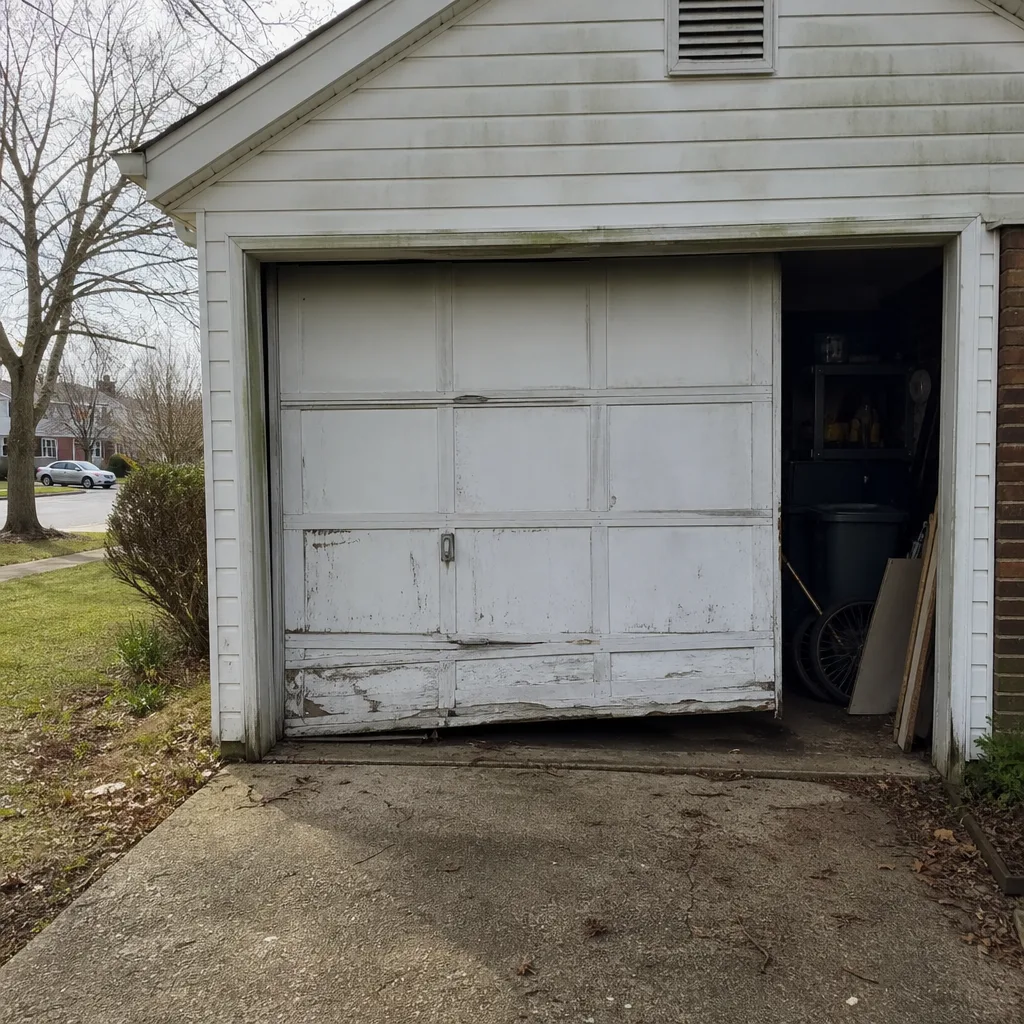 Before
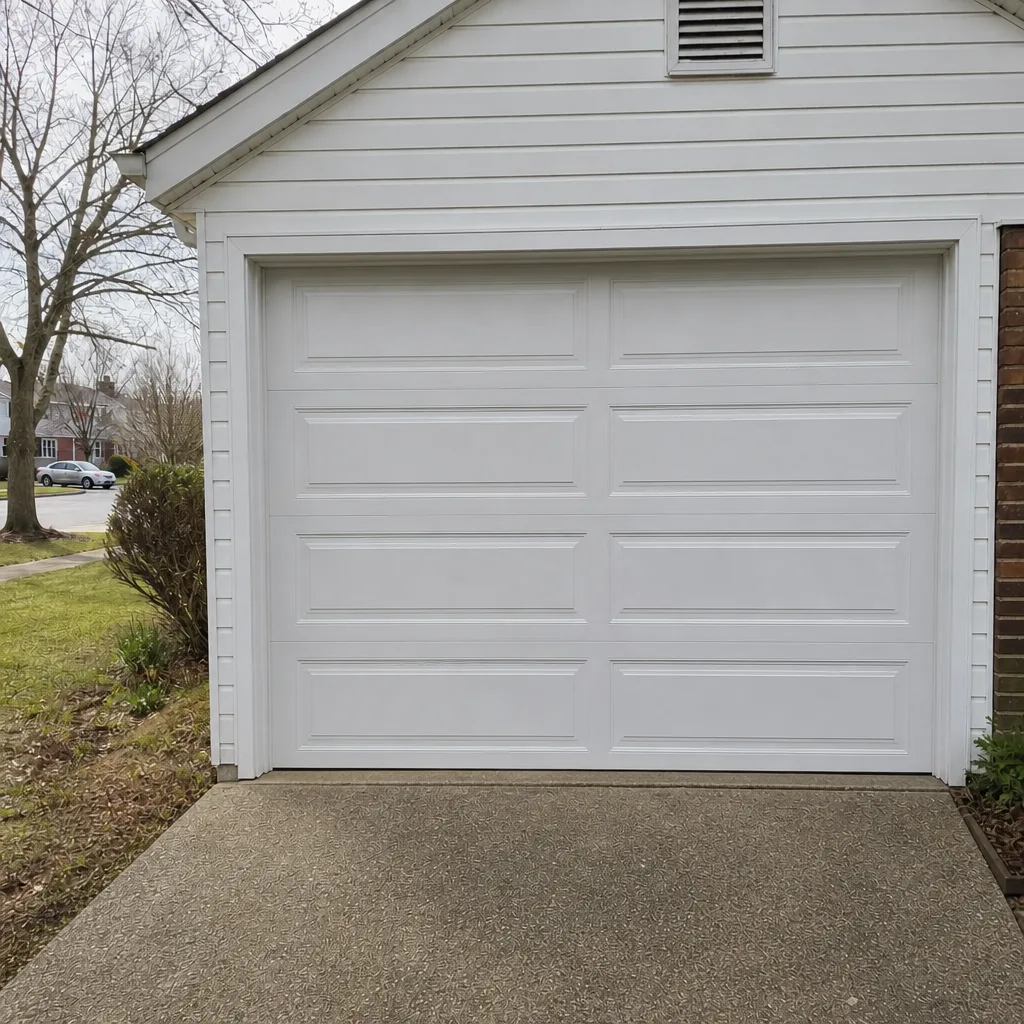 After
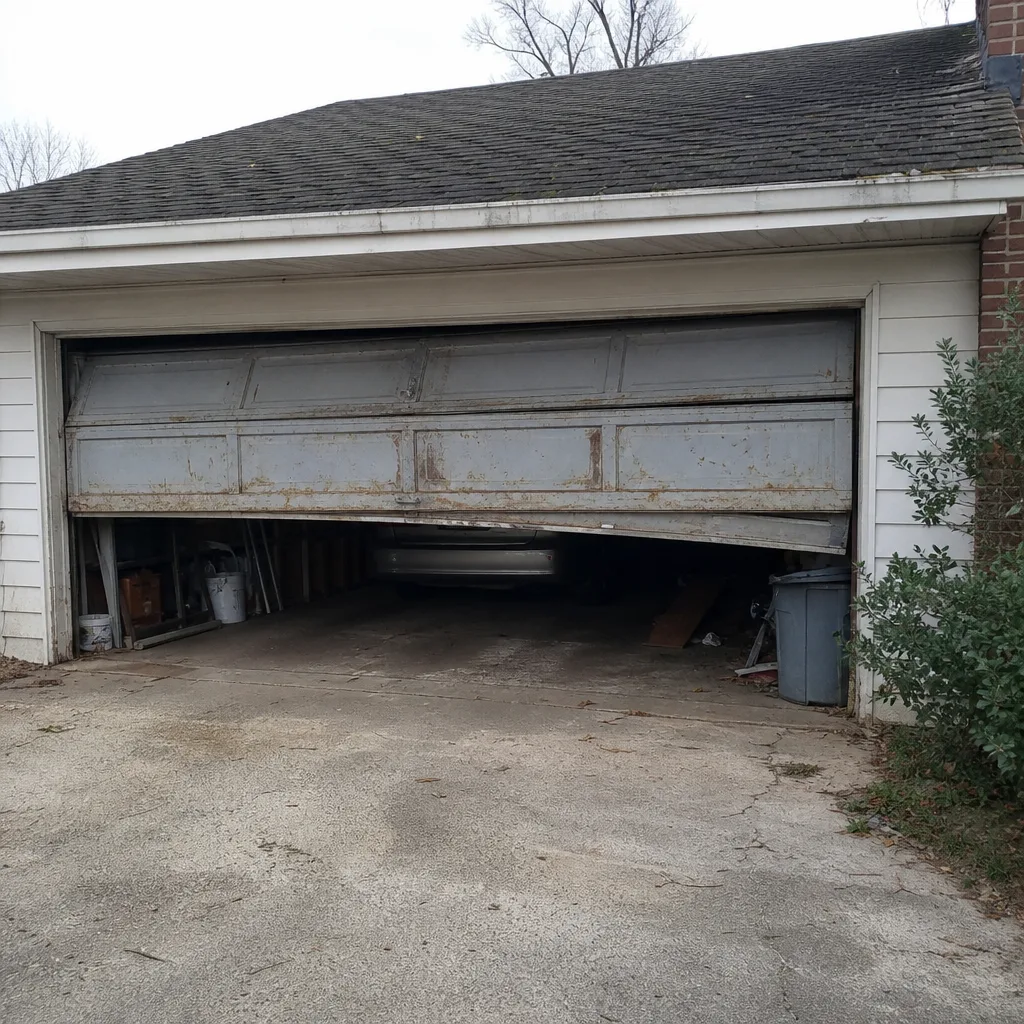 Before
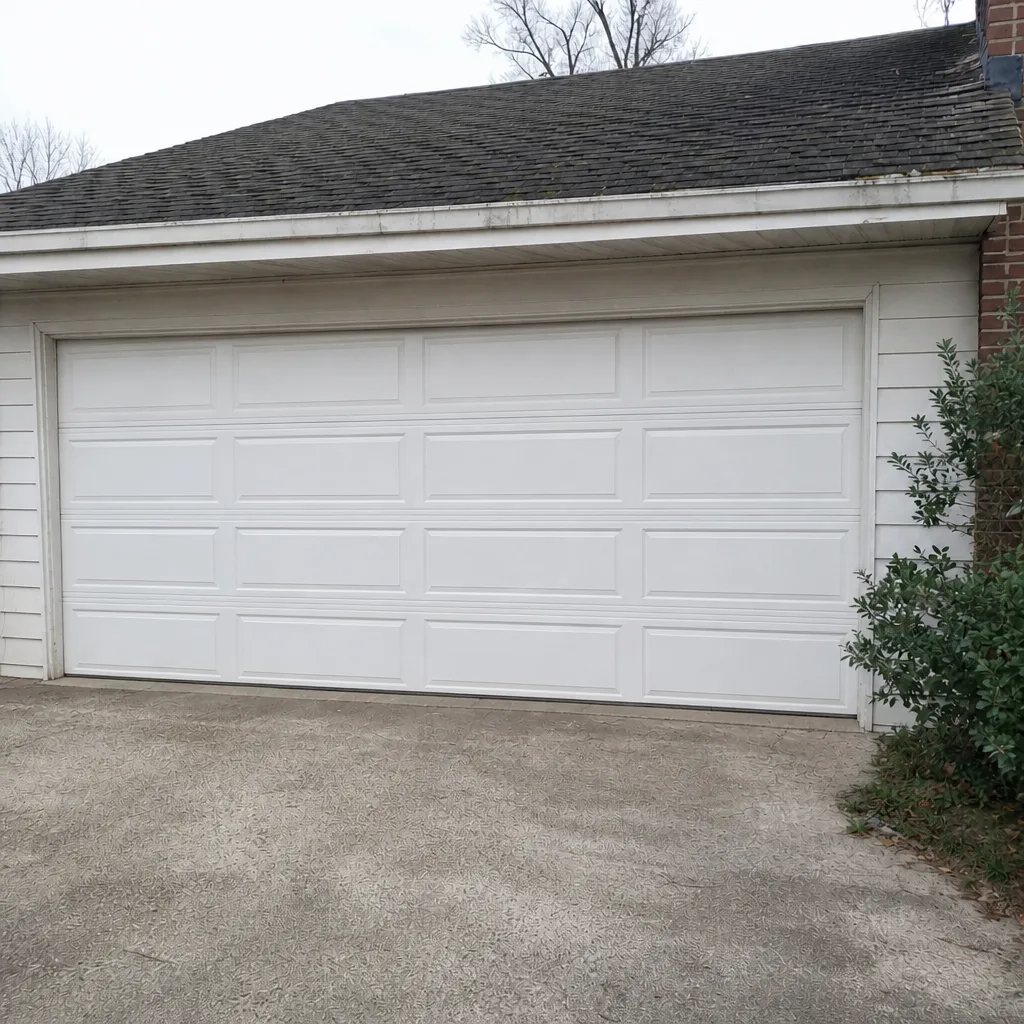 After
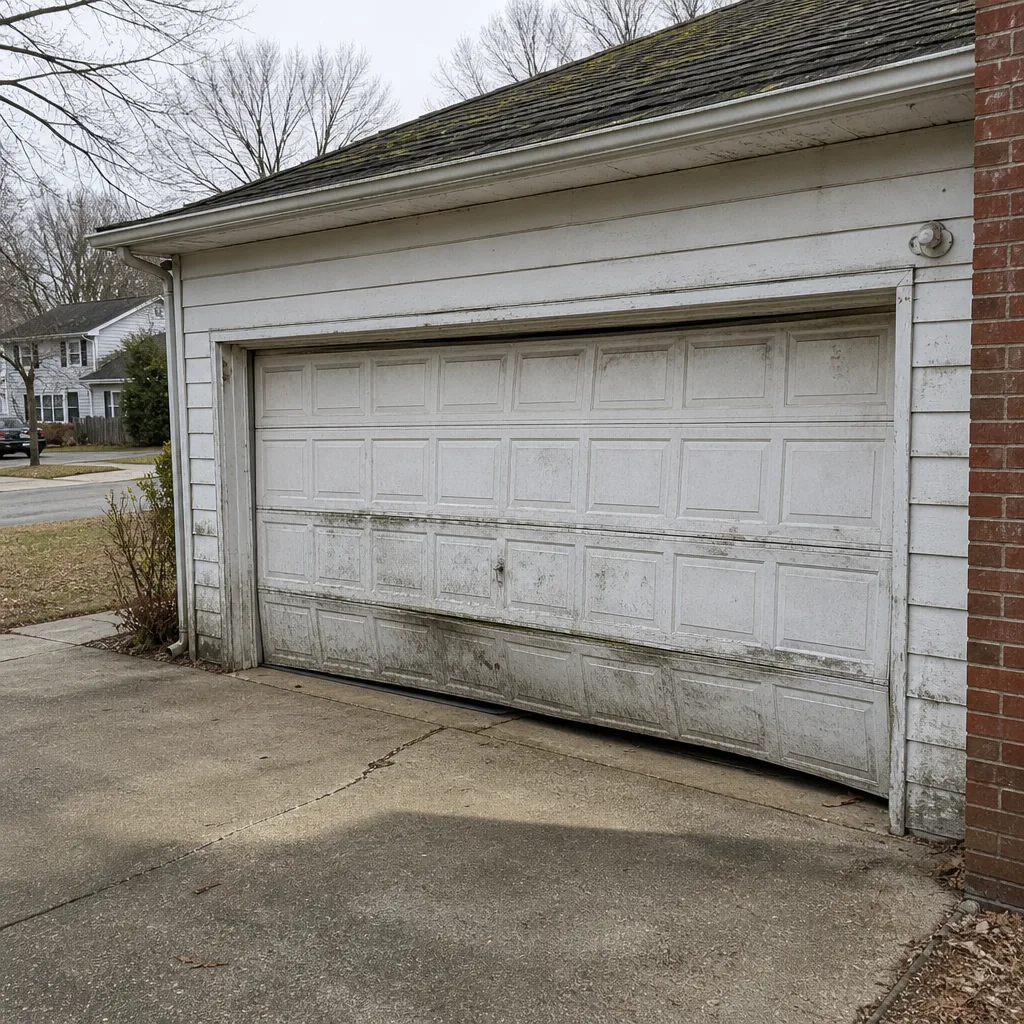 Before
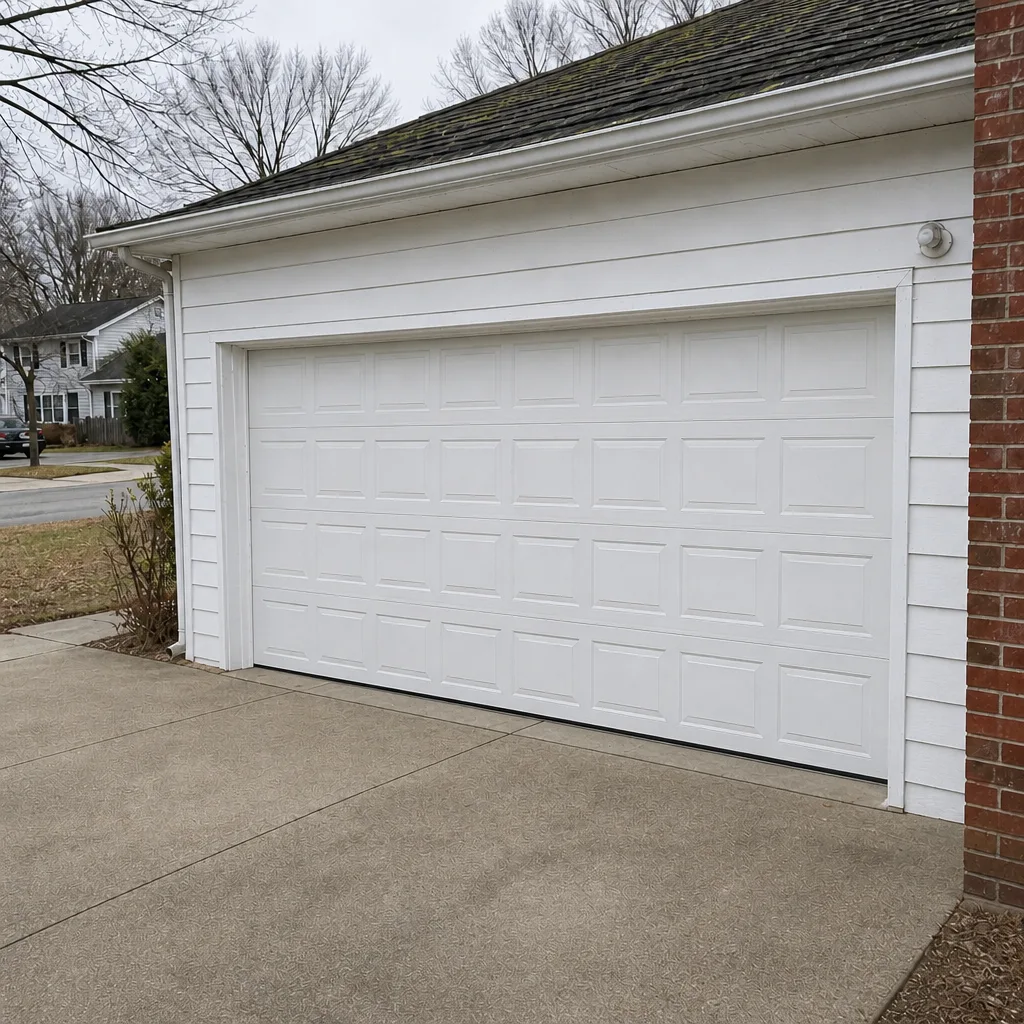 After